A Federal High Court in Abuja on Thursday ordered the immediate detention of activist and journalist Omoyele Sowore, ending weeks of speculation about whether foreign authorities were involved in his legal troubles. The Department of State Services confirmed the ruling originated entirely from Nigerian judicial proceedings, not from any international extradition request or U.S. federal action.
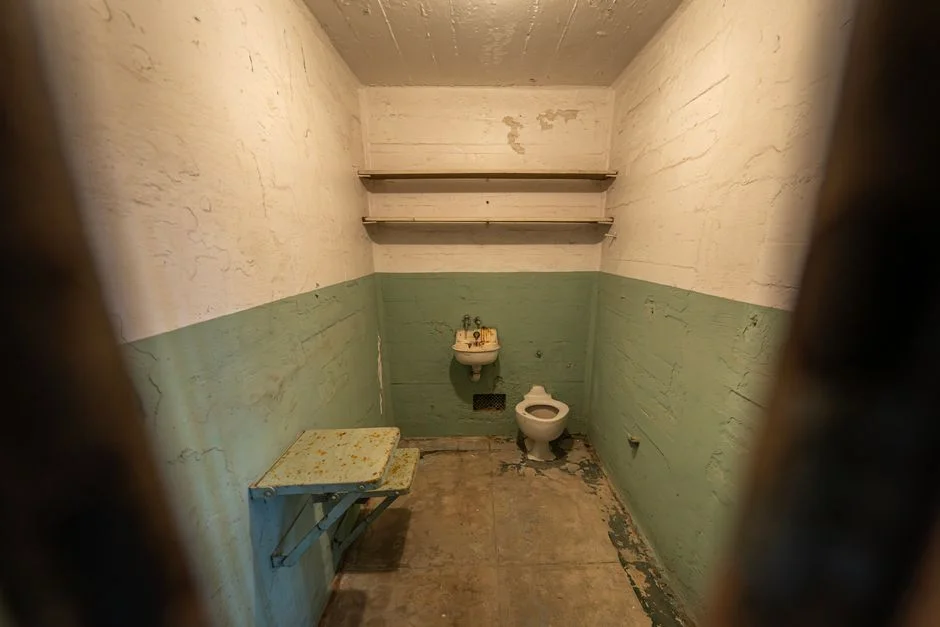
Sowore, founder of the citizen journalism outlet Sahara Reporters, was escorted from the DSS headquarters in Abuja to Kuje Correctional Centre following the judge's decision. His lawyers had argued for bail, citing time served and procedural irregularities in the original trial. The court rejected those arguments in a ruling that lasted approximately 90 minutes.
What Happened in Court on Thursday
Justice Aikawa R. Nantomah delivered the judgment shortly after 2 p.m., rejecting Sowore's application for bail pending the determination of his appeal. The activist has been held continuously since January, when appellate judges reinstated certain charges against him that a lower court had previously dismissed.
DSS spokesperson Josephine Adeh released a statement confirming the service had carried out the court order. "The Department of State Services executed a lawful court warrant. No foreign government or agency requested, suggested, or participated in this action," Adeh wrote. "This is a domestic legal matter resolved through Nigerian courts."
Sowore's lead counsel, Femi Falana, said he would file an emergency application at the Court of Appeal on Friday morning. Falana criticized the ruling, calling it a misinterpretation of existing precedent on bail rights for defendants who have already served substantial time awaiting trial.
Background on Sowore's Legal Battles
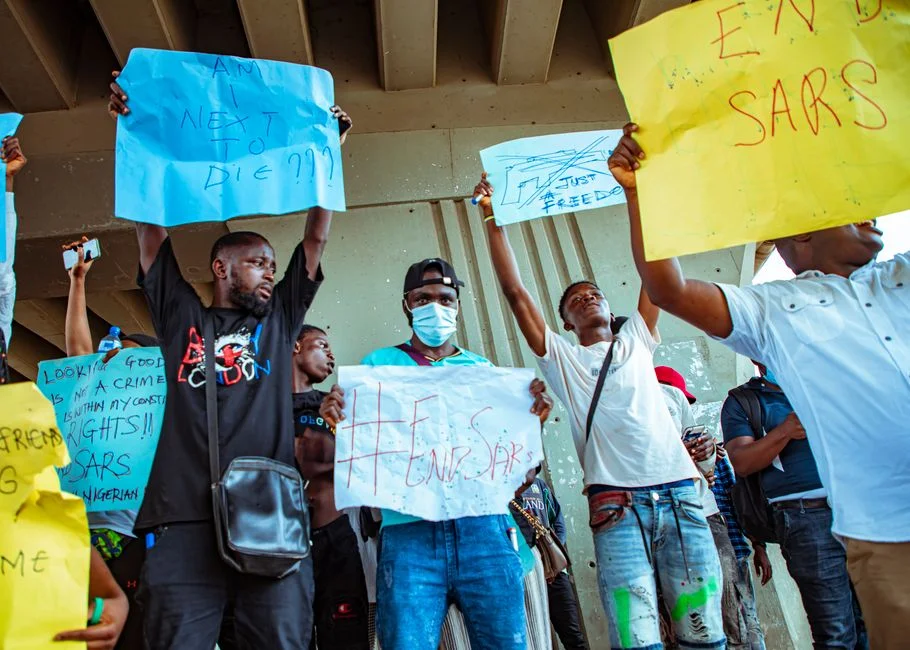
Sowore first rose to national prominence in 2019 when security agents arrested him over a planned protest he organized calling for nationwide demonstrations against the government. The DSS held him for more than 100 days without trial, drawing criticism from human rights groups including Amnesty International, which named Nigeria among countries violating detention standards.
He was charged with treason, money laundering, and cyberstalking. A federal high court dismissed those charges in December 2019, with the judge noting the prosecution had failed to establish prima facie evidence. The government appealed, and in March the Court of Appeal reversed that decision on procedural grounds, sending the case back for reconsideration.
The U.S. Speculation Explained
Social media speculation about U.S. involvement began circulating after Sowore's name appeared in a leaked diplomatic cable related to American foreign policy discussions about Nigerian civil society. Some online accounts incorrectly suggested Washington had issued a warrant or was applying pressure for his prosecution.
DSS officials have firmly denied those claims. The cable in question, published by WikiLeaks years ago, discusses American engagement with opposition figures broadly. It contains no directive, order, or request targeting Sowore specifically. Nigerian authorities have long maintained their actions are independent, though critics argue the timing of certain charges has aligned suspiciously with moments of political tension.
Diplomatic Context
Relations between Nigeria and the United States have remained formally cordial, though Washington has publicly expressed concern about press freedom restrictions in Nigeria. The U.S. State Department's annual human rights report has repeatedly flagged the use of sedition and treason charges against journalists and activists as inconsistent with democratic norms.
Neither embassy has issued statements directly addressing Sowore's current case, and no formal legal request for his transfer or extradition exists in any public court record reviewed by journalists.
Reactions from Rights Groups
Yiaga Africa, a Abuja-based monitoring organisation, called Thursday's ruling a step backward for judicial reform efforts. "Bail is a right, not a privilege. The court's reasoning appears to punish Mr. Sowore for exercising his constitutional right to appeal," said programme director Cici Nord.
The Committee to Protect Journalists called for Sowore's immediate release, noting he had already spent more than 400 cumulative days in detention across multiple arrests. "Prosecuting a journalist repeatedly for political speech sets a dangerous precedent for every reporter working in Nigeria," the group said in a statement from its New York office.
The Nigerian Bar Association's human rights committee said it would submit an amicus brief to the Court of Appeal. Chairman Uche Nwosu described the ruling as "legally indefensible" but expressed confidence the appellate panel would correct it.
What Happens Next
Sowore's legal team has 14 days to file its Notice of Appeal. A panel of three judges at the Court of Appeal will then decide whether to grant bail or uphold the detention order. If the appeal fails, the case returns to the Federal High Court for full trial proceedings on the original charges.
Observers note that even if bail is eventually granted, the underlying prosecution will continue. Legal analysts expect the process to take months, if not longer, given the complexity of the financial crimes allegations and the volume of documentary evidence involved.
Watch for the Court of Appeal to schedule a hearing within the next 30 days. Sowore remains at Kuje Correctional Centre, where his family says visits have been restricted to lawyers and immediate relatives only. His wife, Precious, told journalists gathered outside the court that she had not been permitted to see him since Wednesday evening.
See Also
- Do Cabo Revisits Fausto Bordalo's Legacy in Historic Art Showcase
- Chris Duffy's Rise Shines Light on Nigerian Business Ambitions