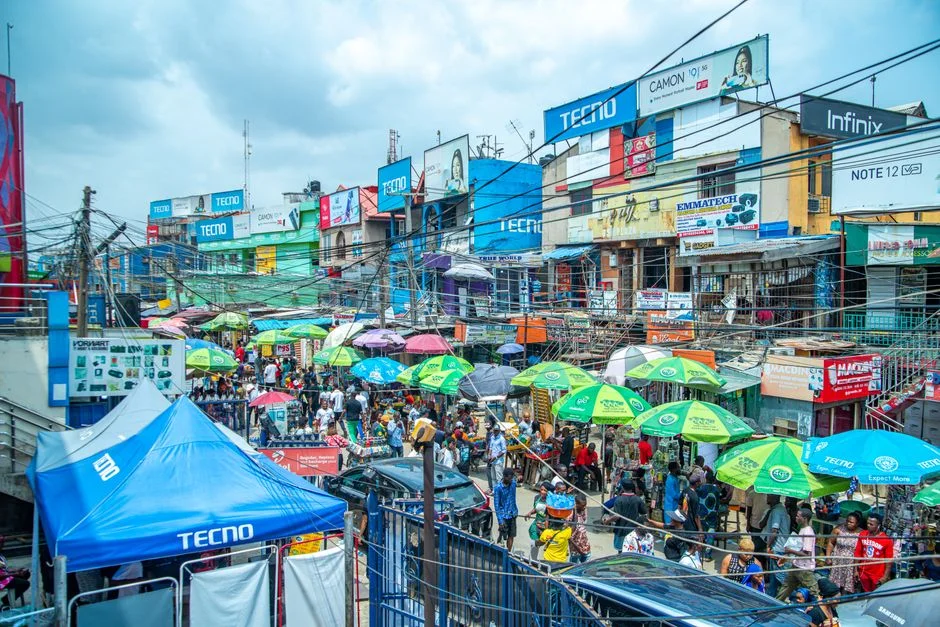
Lagos traffic enforcement officers impounded more than 50 vehicles on Monday as part of a targeted operation against motorists operating with covered, defaced, or missing number plates. The clampdown occurred at several major intersections across the city, authorities confirmed. Officers directed vehicle owners to produce documentation proving legal registration before releasing any impounded cars.
The Enforcement Operation
Police teams stationed at key locations across Lagos began the operation early Monday morning, stopping vehicles at random to conduct inspections. Officers checked both front and rear registration plates, looking for obstructions, damage, or complete absence. Within hours, authorities had loaded more than 50 vehicles onto tow trucks and transported them to a designated impound lot. The operation drew immediate reactions from commuters and vehicle owners caught in the sweep.

A senior police officer overseeing the checkpoint near Oshodi interchange told reporters that the enforcement would continue indefinitely. "We will not spare anyone," the officer stated at the scene. "If your plate is not clearly visible, your vehicle will be taken." The operation covered multiple roads including Ikorodu Road, Agege Motor Road, and the Lekki-Epe Expressway, according to local witnesses.
Why Number Plate Enforcement Matters
Nigerian traffic law requires all registered vehicles to display clean, unobstructed number plates on both the front and rear. Covered plates prevent traffic cameras from reading vehicle identities, while defaced markings create difficulties for law enforcement tracking stolen vehicles or identifying suspects in hit-and-run incidents. Missing plates eliminate any formal identification linking a vehicle to its registered owner in government databases.
The Federal Road Safety Corps has previously warned that obscured licence plates contribute to impunity on Nigerian roads. Drivers who know their plates cannot be captured on surveillance systems may feel emboldened to commit violations they would otherwise avoid. This enforcement operation targets that exact problem, officials said.
Types of Violations Officers Targeted
The impoundment operation focused on three distinct categories of number plate offences. Covered plates represented the largest category, with many drivers using tinted materials, hanging objects, or aftermarket covers that obscured the registration digits. Officers also targeted vehicles with defaced plates where scratches, paint, or physical damage had rendered the numbers illegible. A smaller number of vehicles were found operating with no rear plate at all, a violation that carries separate penalties under road traffic regulations.
Some vehicle owners attempted to argue that weather conditions or road debris had damaged their plates, but officers rejected such explanations during the enforcement sweep. Police officials noted that drivers bear responsibility for maintaining legible registration marks regardless of external factors.
How Vehicle Owners Can Retrieve Their Cars
Drivers whose vehicles were impounded must visit the designated police station with their vehicle registration documents and a valid driver's licence. Officers will inspect the number plate before authorizing release. If the violation can be corrected on the spot, drivers may pay an administrative fee and reclaim their vehicle the same day. Vehicles requiring plate replacement must first obtain a replacement from the Lagos Motor Vehicle Licensing Office before the police will authorize release.
The process typically takes between 24 and 72 hours, depending on documentation completeness and the specific licensing office queue at the time. Police officials advised vehicle owners to arrive early and bring all original documents to avoid delays. The impound lot charges a daily storage fee that accrues from the moment of seizure, providing a financial incentive for owners to resolve their cases quickly.
Financial Impact on Motorists
Beyond the storage fees, vehicle owners face fines determined by the nature of their violation. Covered plate offences carry different penalties than missing plates, with defacement cases sometimes requiring additional documentation to verify the vehicle's legitimate registration. The total cost for most owners typically includes the original fine, storage charges, and any fees for replacement documentation or number plates.
For commercial drivers and transport operators, the impoundment creates immediate loss of income. A taxi driver who relies on his vehicle daily cannot earn fares while his car sits in an impound lot. Consumer advocates have called for expedited processing to reduce the economic burden on working-class vehicle owners who cannot afford extended downtime.
What Drivers Should Do Right Now
Motorists in Lagos should immediately inspect their vehicle plates for legibility. Check both front and rear registrations under good lighting conditions. If numbers appear faded, scratched, or partially hidden, arrange for replacement plates before driving. Remove any objects hanging from rearview mirrors that might partially obstruct plate visibility. Ensure number plates are firmly attached and not hanging loosely from damaged brackets.
Those who have already received traffic citations for plate violations should address those citations before this enforcement operation makes such delays more costly. The police commissioner has made clear that violators will face seizure rather than simply additional fines, a policy shift that changes the risk calculation for non-compliant drivers.
What Comes Next
Lagos residents should expect this enforcement level to continue through the coming weeks. Police officials indicated that additional operations will expand beyond central Lagos to suburban areas and expressway entry points. The government appears determined to use aggressive enforcement as a tool for establishing compliance rather than relying on warnings alone. Vehicle owners who delay correcting plate issues do so at considerable risk of losing access to their cars without notice.
See Also
- Victor Osimhen signs landmark boot deal with Nigerian-owned sportswear brand
- Super Eagles and Ukrainian Football: The Beautiful Game's Unexpected Connection
Financial Impact on Motorists Beyond the storage fees, vehicle owners face fines determined by the nature of their violation. Police officials indicated that additional operations will expand beyond central Lagos to suburban areas and expressway entry points.