Nigerian authorities are pushing ahead with a major banking sector recapitalisation programme while millions of citizens face mounting food insecurity, creating a stark tension between financial stability and basic survival needs. The Central Bank of Nigeria ordered commercial banks to boost their capital bases to 500 billion naira by March 2026, a move officials say will strengthen the financial system but critics warn could choke off credit to struggling businesses and farms. Inside Nigeria's fragile economy, the policy is already reshaping priorities at the expense of food production and distribution.
Banking Sector Overhaul Demands Capital Injection
The CBN's directive requires lenders to either raise fresh capital or merge with larger institutions. Banks have until the end of March 2026 to comply or face regulatory consequences. Analysts at local investment firms estimate the total capital shortfall across the sector at around 3.2 trillion naira. The governor of the central bank told stakeholders in Abuja that the measure would create "more resilient" banks capable of supporting long-term growth. Smaller regional banks have expressed alarm, with several announcing plans to seek mergers or strategic investors before the deadline.
Credit Squeeze Hits Agricultural Sector
Agricultural lenders report a sharp reduction in new farm loans since the recapitalisation directive took effect. The Nigeria Agricultural and Rural Development Bank, which typically channels billions of naira to smallholder farmers each planting season, has slowed disbursements pending clarity on its own capital position. In Katsina State, cooperative farms that supply grains to regional markets say they have not received loan approvals since February. Harvest forecasts from the Ministry of Agriculture indicate production could fall short of national demand for maize, rice, and sorghum if planting season funding remains constrained. Rural communities that depend on seasonal credit to buy seeds and fertiliser are the most exposed to this squeeze.
Food Inflation Deepens Hunger Crisis
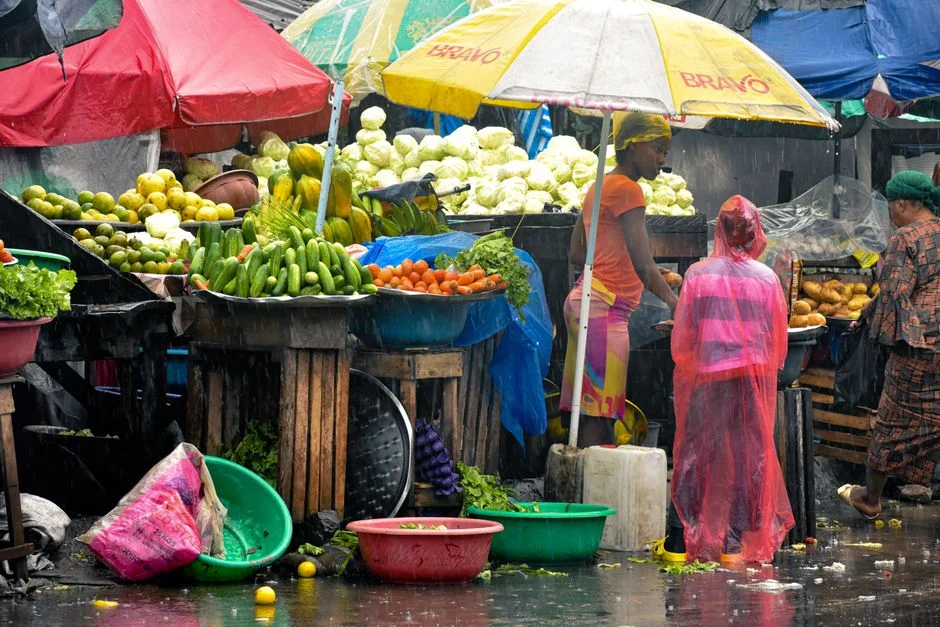
The Nigeria Bureau of Statistics recorded food inflation of 33.9 percent in its latest report, pushing staple prices beyond the reach of many urban households. In Lagos markets, a 50-kilogram bag of rice now sells for significantly more than the minimum monthly wage. The combination of higher input costs and reduced access to credit is feeding through into consumer prices. Food banks operating in Kano, Port Harcourt, and the Federal Capital Territory report a surge in demand over the past six months. Relief agencies warn that northern states hardest hit by insecurity and displacement face the most acute shortages, with some families reducing meals to one per day.
Displacement and Agricultural Disruption
Ongoing security challenges in parts of Borno, Yobe, and Adamawa have disrupted farming activities and displaced agricultural workers from their land. The United Nations Office for the Coordination of Humanitarian Affairs estimates that over 2.2 million people in affected areas require food assistance. Fields that once grew millet and guinea corn now sit fallow because farmers have fled to camps for internally displaced persons. Local aid workers say the recapitalisation pressure on banks is compounding an already difficult situation by making it harder to fund recovery and resettlement efforts.
State Resources Divided Between Competing Crises
The federal government faces the dilemma of balancing multiple urgent demands on limited public resources. The defence budget absorbs substantial allocations aimed at countering insurgency and banditry, while the Ministry of Finance navigates debt servicing obligations that consume over 90 percent of revenue. Economic commentators have pointed to the rising cost of governance as another factor limiting funds available for social intervention programmes. Professor Akinterinwa, a development economist at the University of Lagos, wrote in a widely circulated paper that Nigeria cannot afford to treat food security as secondary to financial sector reforms or defence procurement.
Citizens Bear the Cost of Competing Priorities
Market women in Onitsha and small-scale processors in Owerri describe a difficult balancing act between rising costs and shrinking working capital. Many have abandoned plans to expand operations, citing the difficulty of obtaining credit at affordable rates. Schools in rural Edo State have reported that children from poor families arrive without meals, a consequence of household-level food rationing. Community leaders in Kwara State have called on the government to create a dedicated fund for food production finance, separate from the general banking recapitalisation framework. The Ministry of Agriculture has acknowledged the concerns but points to existing programmes including the Agricultural Credit Guarantee Scheme as adequate responses.
What Comes Next for Nigeria's Economy
Bank consolidation meetings are scheduled to continue through the second quarter of 2026 as the CBN reviews applications from institutions seeking mergers. The federal government has pledged to monitor credit flows to critical sectors and has hinted at a supplementary budget to support food imports if domestic production falls significantly short. Citizens should watch for announcements from the Ministry of Finance on any adjustments to spending priorities. The next planting season begins in May, and the availability of agricultural credit in the coming weeks will be a key indicator of whether the recapitalisation process will further deepen food insecurity or whether intervention measures can offset the credit squeeze.
See Also
- Ed Slater Analysis Sparks Debate on Nigeria's Development Path
- Nigeria Warns Against AI Job Fears — Calls It 'Not Very Agentic'