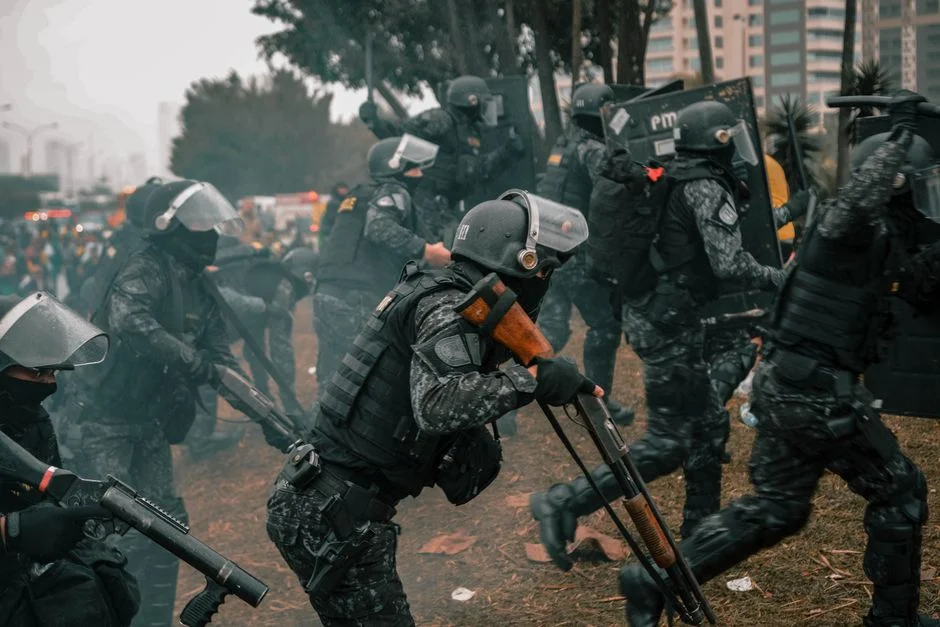
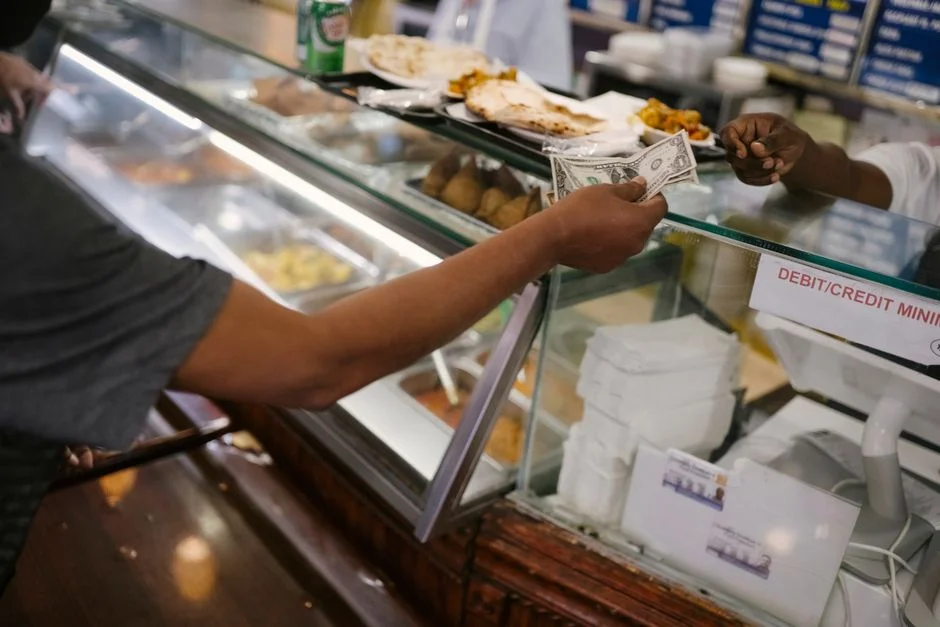
When the Ebola virus tore through West Africa in 2014, it killed more than 11,000 people across Guinea, Liberia and Sierra Leone. Survivors who watched their families die while waiting for treatment now carry hard-won knowledge that public health officials say could prove invaluable as the region braces for future epidemics.
A Survivor's Three-Part Formula for Outbreak Response
Health workers who recovered from Ebola have described a brutal arithmetic of survival. The disease moves fast—often faster than medical systems designed for routine care can manage. Those who lived, survivors explain, benefited from three overlapping factors arriving at the right moment: speed of diagnosis, resources for treatment, and compassion from caregivers willing to stay close during the most contagious phases of illness.
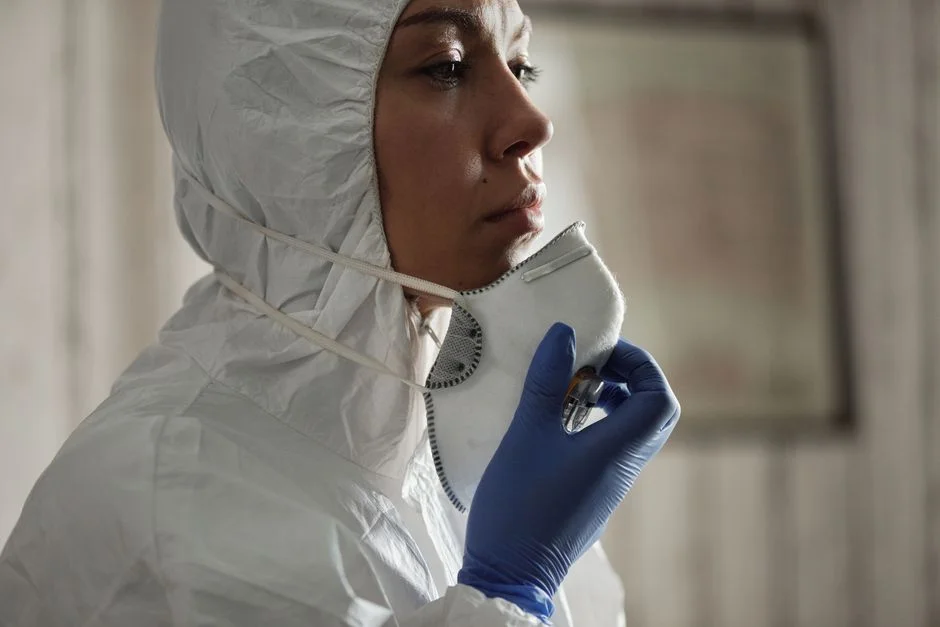
A nurse who contracted Ebola while treating patients in Freetown told researchers that colleagues who survived shared a common experience. "We had seen what happened when treatment came too late," she explained in a case study compiled by the West African Health Organisation. "That knowledge changed how we advocated for ourselves when symptoms appeared."
The Speed Problem That Cost Lives in the 2014 Outbreak
Early in the epidemic, West African health systems faced a fundamental timing crisis. Diagnostic tests required specialised laboratories, and samples often travelled hundreds of kilometres on roads that turned muddy during rainy seasons. By the time results returned, patients had already infected family members who served as informal caregivers.
In Liberia, the gap between symptom onset and confirmed diagnosis averaged eleven days during the peak months of 2014. During that window, household transmission accounted for roughly 60 percent of new infections, according to data compiled by the World Health Organisation.
Regional health ministers convening in Dakar later identified this diagnostic delay as the single most costly failure of the early response. Fast testing, they concluded, does more than speed individual treatment—it breaks the chains of community spread before exponential growth overwhelms health infrastructure.
Financing Treatment When Families Had Nothing
Ebola struck some of the poorest communities on earth. Treatment centres operated by Médecins Sans Frontières charged no fees, but ancillary costs—transport to clinics, food for family members who traveled with patients, burial fees for those who died—fell on households already living on less than two dollars per day.
Communities in Sierra Leone's Kailahun District organised informal money pools to cover these expenses. Local chiefs redirected funeral society funds, traditionally used for community burial rites, to finance ambulance transport. These improvised financial mechanisms kept some families from delaying care while they gathered resources.
The experience pushed the African Development Bank to restructure its emergency health financing mechanisms. Subsequent outbreak preparedness programmes now include dedicated rapid-disbursement funds designed to eliminate cost-related delays in care-seeking behaviour.
Why Compassion Became a Public Health Variable
Early in the outbreak, fear spread as fast as the virus. Some hospitals abandoned patients. Taxi drivers refused to transport anyone displaying symptoms. Families sometimes hid sick relatives rather than risk the stigma of an Ebola diagnosis.
Survivors who returned to treatment centres as volunteers changed this dynamic. Their presence demonstrated that recovery was possible and that close contact did not automatically mean death. In Monrovia, survivor volunteers reduced patient abandonment rates at one treatment unit from 23 percent to under 4 percent within six weeks, according to an evaluation published by the International Rescue Committee.
The psychological dimension of outbreak response has since been integrated into WHO preparedness guidelines. Training programmes in Guinea, Nigeria and Senegal now include modules specifically addressing the value of survivor engagement during epidemics.
What West Africa Has Built Since 2014
The governments of Guinea, Liberia and Sierra Leone invested heavily in health infrastructure after the outbreak ended. New diagnostic laboratories can now return results within 24 hours in most districts. Regional surveillance networks share real-time data on disease clusters.
Nigeria's experience containing a single imported case in 2014 became a model for rapid-response protocols. The Lagos State Ministry of Health documented how contact tracing teams identified and monitored nearly 900 individuals within weeks of the first confirmed diagnosis. Every contact completed monitoring without developing symptoms.
The Nigeria Centre for Disease Control, established in 2017, now coordinates epidemic preparedness across the country's 36 states. Annual simulation exercises test whether local health workers can activate response protocols within 48 hours of a suspected outbreak.
Watching for the Next Threat
Ebola remains endemic in animal reservoirs across Central Africa, and new outbreaks occur regularly in the Democratic Republic of Congo. Health officials maintain that the lessons crystallised by West African survivors—speed, money, compassion—apply to any epidemic where delay, poverty and fear drive transmission.
Regional health ministers are scheduled to convene in Accra next quarter to review stockpile levels of therapeutic treatments and update cross-border response agreements. The meetings will examine whether financing mechanisms established after 2014 can activate quickly enough to contain the next outbreak before it reaches urban centres.
See Also
- Nigeria’s Insecurity Crisis Deepens as Sahel Violence Spills Over
- South Africa’s Storm Surge Triggers Power Cuts and Floods