A survivor of the Ebola virus has stepped forward to share critical lessons from the outbreak that devastated West Africa, warning that the world remains unprepared for the next pandemic without fundamental changes to how it responds to fast-moving health emergencies.
Survivor Speaks: 'Speed Saves Lives'
The testimony comes as health officials worldwide continue examining the 2014–2016 Ebola crisis, which claimed more than 11,000 lives across Guinea, Liberia, and Sierra Leone. The survivor, speaking at a public health forum, emphasised that the initial response to the outbreak moved too slowly, allowing the virus to establish deep roots in communities before international assistance arrived.
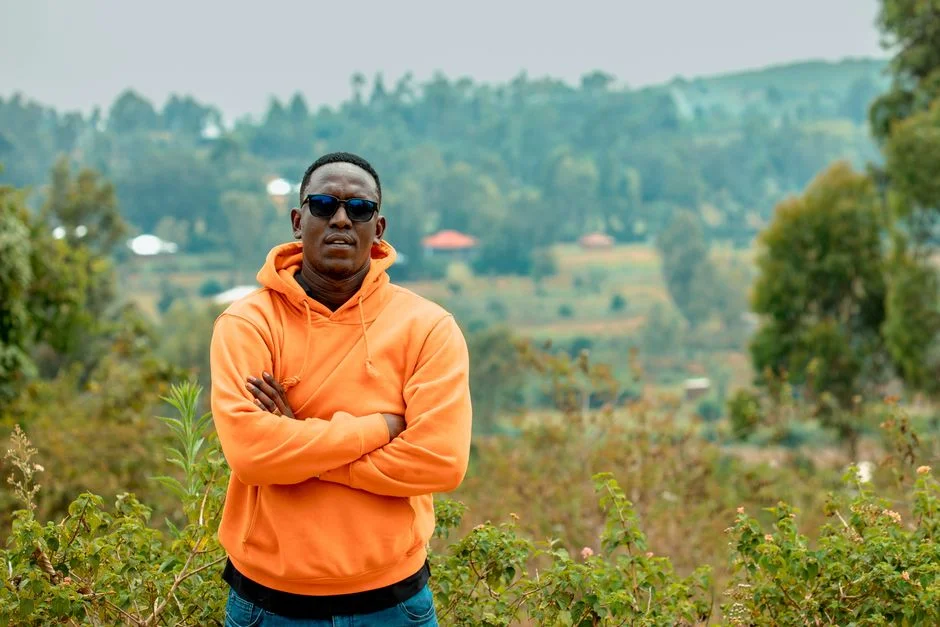
"When Ebola arrived in our region, we needed help immediately," the survivor told attendees. "Every day of delay meant more funerals. Speed saves lives — that is the first lesson everyone must understand."
The Financial Gap That Cost Lives
Experts gathered at the same forum pointed to funding shortfalls as a major obstacle during the West Africa outbreak. Resources for containment efforts, protective equipment, and laboratory testing arrived unevenly, leaving rural communities particularly exposed. The delay in mobilising financial commitments from donor governments and international institutions meant frontline workers lacked basic supplies for months.
Health economists present at the forum noted that the eventual cost of the outbreak — estimated in the billions when factoring in economic disruption and recovery programmes — far exceeded what earlier investment would have required. "Prevention is always cheaper than cure," one economist stated. "The math is simple, but the political will to act early is not."
Community Trust and Compassion
Beyond speed and money, the survivor highlighted the human dimension of the response. Communities that received compassionate support from health workers and volunteers were more likely to adopt safe burial practices, report symptoms early, and cooperate with contact tracing efforts. Those that faced stigma or coercion often hid cases, allowing the virus to spread undetected.
Local organisations that stepped in to provide food, clean water, and psychological support to quarantined families proved essential. Their work demonstrated that technical medical responses alone cannot contain an outbreak — people need assurance that their basic needs will be met during isolation.
West Africa's Lasting Vulnerabilities
Public health specialists warn that many of the conditions that allowed Ebola to spread remain present across the region. Weak health infrastructure, limited laboratory capacity, and insufficient numbers of trained epidemiologists persist in several West African nations. Border regions with high population movement pose particular challenges for surveillance and containment.
The World Health Organization has worked to address some of these gaps through its Health Emergencies Programme, but officials acknowledge that progress has been uneven. National health systems in the region continue operating with constrained budgets and aging equipment.
What Changed After Ebola
The 2014–2016 outbreak prompted significant reforms to global pandemic preparedness frameworks. The creation of the Coalition for Epidemic Preparedness Innovations channelled new funding toward vaccine development for priority diseases. The establishment of the Pandemic Emergency Financing Facility aimed to release financial resources more quickly during outbreaks.
Research institutions in Nigeria, Senegal, and other West African nations strengthened their laboratory networks and disease surveillance capabilities. These investments proved valuable during subsequent health emergencies, including the COVID-19 pandemic.
Lessons for Future Outbreaks
The survivor's testimony arrives as health officials monitor several ongoing infectious disease threats globally. Forum participants discussed how the lessons from Ebola apply to future pandemic scenarios, regardless of the specific pathogen involved.
Speed in declaring emergencies and releasing funds emerged as the most critical factor. Compassionate community engagement ranked second, followed by sustained investment in health system capacity. Experts noted that political considerations often delay early action, as governments weigh economic disruption against health risks.
Looking Ahead: Preparing the Next Generation
Health educators at the forum emphasised the need to incorporate Ebola lessons into medical training programmes across the region. Several universities have updated their curricula to include outbreak response modules, pandemic simulation exercises, and community engagement training.
Surveillance networks continue expanding, with several countries now participating in regional disease monitoring systems. Early warning capabilities have improved, though officials stress that constant vigilance remains necessary as urbanisation and environmental change create new opportunities for pathogen emergence.
Watch for the upcoming Independent Review Panel report on pandemic preparedness, expected to reference Ebola response case studies extensively. That document will shape discussions at the next World Health Assembly and could influence donor priorities for health security funding in West Africa.
See Also
- South Africa Slams Fake Medicine Crisis — What Nigeria Must Watch
- UN Reveals Women Die More Than Men In Ebola Outbreaks
Forum participants discussed how the lessons from Ebola apply to future pandemic scenarios, regardless of the specific pathogen involved.Speed in declaring emergencies and releasing funds emerged as the most critical factor. National health systems in the region continue operating with constrained budgets and aging equipment.What Changed After EbolaThe 2014–2016 outbreak prompted significant reforms to global pandemic preparedness frameworks.
What is the latest news about ebola survivor exposes three lessons that must guide the next outbreak?
Why does this matter for health-medicine?
What are the key facts about ebola survivor exposes three lessons that must guide the next outbreak?