South Africa’s health regulator has launched a rigorous crackdown on counterfeit medicines, exposing a crisis that threatens patient safety across the continent. The move reveals how porous borders and supply chain gaps allow substandard drugs to flood local markets, directly impacting citizens who rely on affordable treatments. For Nigerian communities, this development serves as a stark warning about the vulnerabilities in regional pharmaceutical imports.
Regulators Target Counterfeit Drug Networks
The South African Health Products Regulatory Authority (SAHPRA) has intensified its efforts to identify and seize fake medications. Officials have identified a surge in counterfeit antimalarials, antibiotics, and hypertension drugs entering the country through informal trade routes. This aggressive stance aims to restore public trust in the healthcare system and reduce mortality rates linked to substandard treatments.
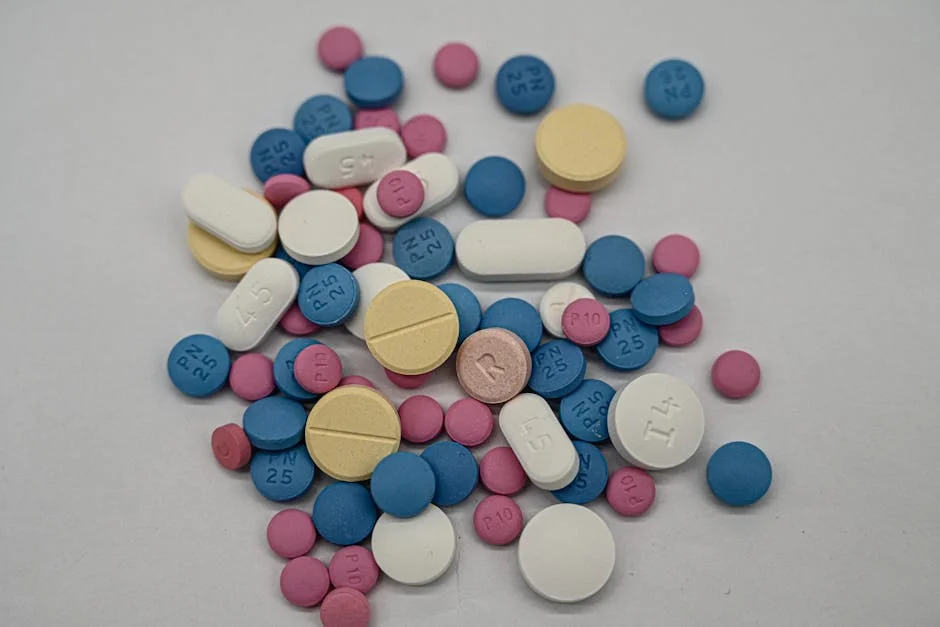
Counterfeit drugs often contain incorrect dosages, inactive ingredients, or even toxic fillers like paracetamol and talc. These inconsistencies can lead to treatment failure, drug resistance, and severe adverse reactions for patients. The economic burden on households increases when treatments fail, forcing families to spend more on follow-up consultations and alternative therapies.
SAHPRA’s recent operations have involved coordinated raids on warehouses and retail pharmacies in major urban centers. These actions target both local distributors and international suppliers who exploit regulatory loopholes. The authority has emphasized that no single entity is safe from scrutiny, ranging from small corner shops to large hospital supply chains.
Direct Impact on Patient Safety and Daily Life
For the average citizen, the presence of fake medicines introduces uncertainty into daily health management. A patient taking a counterfeit blood pressure pill might experience a sudden spike in readings, leading to emergency room visits. This unpredictability disrupts work schedules, increases transportation costs, and strains family finances in already tight economic conditions.
Communities in rural areas are particularly vulnerable due to limited access to branded pharmaceuticals. Patients often rely on local chemists who may source drugs from secondary wholesalers. If these supply chains are compromised, entire villages can suffer from ineffective treatments, leading to a ripple effect on local productivity and social stability.
The psychological toll on patients is also considerable. When a trusted medication fails to deliver expected results, patients may become skeptical of all medical interventions. This erosion of trust can lead to delayed diagnoses and a higher reliance on traditional remedies, which may not always be sufficient for acute conditions.
Economic Consequences for Local Households
The financial impact of fake medicines extends beyond the initial purchase price. Families incur additional costs for diagnostic tests to confirm treatment efficacy and subsequent consultations with specialists. These hidden expenses can push low-income households into debt, exacerbating poverty cycles in affected communities.
Local economies suffer when health outcomes deteriorate. A workforce plagued by recurring illnesses due to ineffective drugs experiences lower productivity and higher absenteeism. Small businesses, which form the backbone of many regional economies, feel the strain as employees take more leave days to recover from complications.
Insurance providers and public health funds also face rising claims. Hospitals treat more cases of drug-induced complications, leading to higher operational costs. These costs are often passed on to consumers through increased premiums or higher out-of-pocket expenses, creating a feedback loop of financial pressure on citizens.
Supply Chain Vulnerabilities Exposed
The investigation highlights critical weaknesses in the regional supply chain infrastructure. Many counterfeit drugs enter through informal border crossings where customs checks are less rigorous. This allows smugglers to move large volumes of substandard medications at a fraction of the cost of branded alternatives.
Pharmaceutical companies face challenges in tracking their products from factory to patient. Without robust serialization and tracking systems, it becomes difficult to distinguish genuine products from high-quality fakes. This lack of transparency benefits fraudsters who can blend counterfeit stocks with genuine ones, making detection harder for end-users.
Wholesalers and distributors play a pivotal role in the integrity of the supply chain. Some operators prioritize price over provenance, sourcing drugs from the cheapest available markets. This practice introduces risk, as lower prices often correlate with a higher likelihood of counterfeit infiltration, especially in competitive retail environments.
Regional Implications for Nigeria and West Africa
Nigeria shares similar pharmaceutical import patterns with South Africa, making it highly susceptible to the same risks. A significant portion of Nigerian drug imports comes through regional hubs, where quality control can vary. The situation in South Africa underscores the need for Nigeria to strengthen its own regulatory frameworks and border controls.
The Nigerian National Agency for Food and Drug Administration and Control (NAFDAC) has been actively monitoring import trends. However, the sheer volume of goods entering the country requires enhanced technological tools and human resources. Learning from South Africa’s strategies could help Nigeria streamline its inspection processes and improve data sharing among regional regulators.
Cross-border trade within the Economic Community of West African States (ECOWAS) facilitates the movement of goods but also complicates regulatory enforcement. A drug seized in Lagos might have originated in Accra or Abidjan. Harmonizing standards and information sharing across these borders is essential to curb the influx of substandard medications.
Community Response and Public Awareness
Grassroots organizations are playing a crucial role in educating the public about the dangers of fake medicines. Community health workers distribute flyers and hold town hall meetings to explain how to identify genuine packaging. These efforts empower citizens to become active participants in their health management rather than passive consumers.
Social media campaigns have also gained traction, with influencers and health advocates sharing tips on verifying drug authenticity. Platforms like WhatsApp and Facebook allow for rapid dissemination of information, reaching younger demographics who are increasingly managing their own health decisions. This digital engagement helps bridge the gap between technical regulatory updates and public understanding.
Local pharmacies are responding by implementing stricter inventory checks and training staff to spot anomalies. Some retailers have started using barcode scanners linked to central databases to verify products before handing them to customers. These proactive measures build consumer confidence and differentiate reputable pharmacies from those with questionable sourcing practices.
Technological Solutions and Regulatory Innovation
Technology offers promising solutions to the counterfeit drug problem. Blockchain technology can provide an immutable record of a drug’s journey from manufacturer to patient. Each transaction is recorded, allowing regulators and consumers to trace the origin and handling of every unit. This transparency makes it harder for fraudsters to insert fake products into the chain.
Mobility apps are being developed to allow patients to scan medication barcodes for instant verification. These tools provide real-time feedback on product authenticity, giving consumers peace of mind. As smartphone penetration increases across the region, such apps become more accessible to the average citizen, enhancing individual agency in health choices.
Regulators are also investing in laboratory capabilities to conduct rapid chemical analysis. Advanced spectrometry and chromatography techniques can detect subtle differences in active ingredients. These scientific tools complement physical inspections, providing a deeper level of scrutiny that can uncover sophisticated counterfeits that pass visual checks.
Future Steps and What to Watch
South Africa plans to announce new legislative measures by the end of the quarter to further tighten controls on pharmaceutical imports. These laws will impose heavier fines for repeat offenders and introduce mandatory serialization for all exported drugs. Stakeholders across the healthcare sector are advised to prepare for these changes to ensure compliance and minimize operational disruptions.
Nigerian regulators are expected to follow suit, potentially launching a joint task force with South African counterparts to share intelligence and best practices. Citizens should monitor announcements from NAFDAC regarding updated guidelines for verifying medications. Staying informed and proactive will be key to navigating the evolving landscape of pharmaceutical safety in the region.
See Also
- Nigeria Faces Health Crisis as Experts Warn of Urgent Pharma Reforms Needed
- DRC Ebola Outbreak Triggers Urgent Health Alerts for West Africa
A significant portion of Nigerian drug imports comes through regional hubs, where quality control can vary. The Nigerian National Agency for Food and Drug Administration and Control (NAFDAC) has been actively monitoring import trends.