High blood pressure has quietly moved from the living rooms of the elderly into the boardrooms and bedrooms of young adults across Nigeria. This shift threatens to overwhelm local healthcare systems and drain household savings faster than anyone predicted. The condition, often called the silent killer, is no longer a diagnosis reserved for those over forty. It is striking workers in their prime, altering career trajectories and family dynamics in cities like Lagos and Abuja. The data reveals a startling trend that demands immediate attention from citizens and policymakers alike.
The Changing Face of a Chronic Illness
Traditionally, medical professionals viewed hypertension as a disease of aging. Patients over the age of forty-five dominated the clinic waiting rooms. Doctors prescribed medication and advised on salt intake with relative predictability. However, the demographic landscape is shifting rapidly. Young adults between the ages of twenty-five and thirty-five are increasingly arriving at general practitioner offices with elevated readings. This change is not merely statistical; it represents a fundamental alteration in how Nigerians live and work.

Dr Vinesh Padayachy, a prominent medical expert, has highlighted this trend in recent health updates. He points out that the physiological changes in young bodies are often masked by vitality. A twenty-eight-year-old accountant in Lagos might feel energetic despite having a blood pressure reading of 130 over 85. This false sense of security delays diagnosis and allows the condition to compound. The lack of immediate symptoms makes it dangerously easy to ignore until a crisis strikes.
The implications for the local economy are profound. When a primary breadwinner falls ill, the entire household structure can wobble. Families often dip into savings or take on debt to cover initial consultations and ongoing medication costs. This financial strain is compounded by the fact that many young professionals are just beginning to build their financial foundations. The timing of the illness is as critical as the illness itself.
Why Nigeria Faces a Unique Health Challenge
Nigeria’s urban centers present a perfect storm for rising blood pressure levels. The pace of life in cities like Lagos and Port Harriet has accelerated dramatically over the last decade. Commutes are longer, work hours are extended, and the availability of processed foods has exploded. These environmental factors create a daily stress load that the human body is not always equipped to handle efficiently. The result is a steady creep in average blood pressure readings among the urban youth.
Dietary habits have undergone a significant transformation in recent years. Traditional Nigerian diets were rich in leafy greens, lean proteins, and complex carbohydrates. Today, the average young professional consumes more processed snacks, sugary beverages, and fast food. The introduction of global food brands has made convenience a priority over nutrition. This shift has led to higher sodium intake, which is a direct driver of hypertension. The cultural emphasis on communal eating also means that portion sizes have grown, further contributing to weight gain and vascular pressure.
Urban Stress and Sedentary Lifestyles
The modern workplace in Nigeria is increasingly sedentary. Many young professionals spend eight to ten hours a day sitting at desks or in traffic. This lack of physical movement reduces the efficiency of the cardiovascular system. The heart has to work harder to pump blood through less active muscles. Over time, this increased workload can stiffen the arteries and raise baseline pressure levels. Exercise is often viewed as a luxury rather than a necessity for many young Nigerians.
Mental stress is another critical factor that cannot be ignored. Economic uncertainty, job insecurity, and the pressure to succeed create a constant state of alertness for many young adults. This chronic stress triggers the release of hormones like cortisol and adrenaline. These hormones constrict blood vessels and increase heart rate. When the stress does not subside, the blood pressure remains elevated. The psychological burden of modern life is having a very physical toll on the population.
The Economic Burden on Nigerian Households
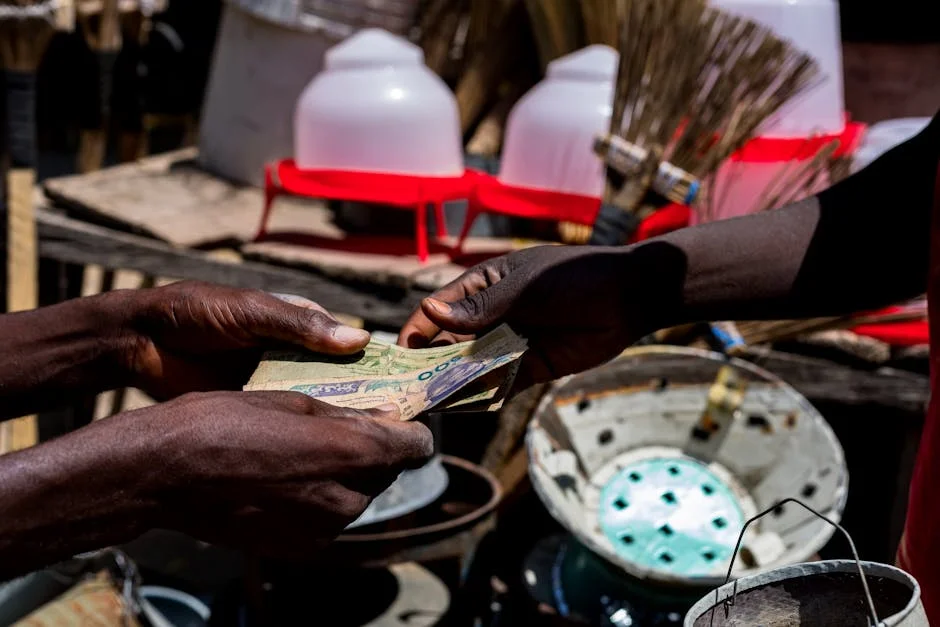
The cost of managing hypertension is rising in Nigeria. Medications that were once affordable are becoming more expensive due to currency fluctuations and supply chain issues. A typical monthly regimen for a young adult can cost between 3,000 and 5,000 Naira. This might seem modest, but it is a recurring expense that adds up over time. For families living on a tight budget, this monthly outflow can mean cutting back on other essentials like education or housing.
Beyond medication, there are the costs of diagnostic tests and specialist consultations. Many young patients require regular monitoring to ensure their condition is under control. This involves visiting clinics, waiting in queues, and paying for basic metabolic panels. The time spent away from work also translates into lost wages. For the informal sector workers who dominate the Nigerian economy, a lost day of work can mean a significant hit to their weekly income.
The financial impact extends to the broader healthcare system as well. As more young adults are diagnosed, the demand for primary care services increases. Clinics in urban areas are seeing longer waiting times and higher patient turnover. This puts pressure on medical staff and infrastructure. The government faces the challenge of scaling up services to meet this growing demand without breaking the bank. The economic ripple effects of this health trend are becoming harder to ignore.
Community Responses and Local Initiatives
Communities in Nigeria are beginning to respond to this growing health crisis. Local health centers in Lagos have started organizing weekend screening events aimed specifically at young adults. These events offer free blood pressure checks and basic dietary advice. The goal is to catch the condition early before it requires intensive medical intervention. Community leaders are also playing a role in spreading awareness through local radio and social media campaigns.
Non-governmental organizations are stepping in to fill the gaps in public healthcare. Groups like the Nigerian Hypertension Association are launching education drives in schools and workplaces. They are teaching young people how to read their own health data and make informed lifestyle choices. These initiatives are crucial in a country where health literacy can vary widely. Empowering individuals with knowledge is one of the most effective tools in the fight against hypertension.
Workplaces are also starting to take notice. Some forward-thinking companies in Lagos and Abuja are introducing wellness programs for their employees. These programs might include on-site gym facilities, healthy snack options, and regular health check-ups. Employers are realizing that a healthier workforce is a more productive one. This shift in corporate culture could have a lasting impact on the health of the young professional class in Nigeria.
What Citizens Can Do to Take Control
Individuals have more power to manage their blood pressure than they often realize. Simple lifestyle changes can make a significant difference in health outcomes. Reducing salt intake is one of the most effective steps a person can take. This means reading food labels and cooking at home more often. Choosing whole foods over processed options can also help lower sodium and sugar consumption. These small daily choices add up over time.
Physical activity is another critical component of hypertension management. Even moderate exercise, such as brisk walking for thirty minutes a day, can help lower blood pressure. Finding a form of movement that is enjoyable makes it easier to stick with a routine. For many young Nigerians, this might mean joining a local running group or taking up a dance class. Consistency is more important than intensity when it comes to cardiovascular health.
Regular monitoring is essential for anyone at risk of hypertension. Knowing your numbers allows you to track trends and spot changes early. Home blood pressure monitors are becoming more affordable and accessible in Nigerian markets. Using these devices can provide a clearer picture of how your body responds to daily stressors and dietary choices. This data can be invaluable when discussing your health with a doctor.
Looking Ahead: The Road to Better Health
The battle against hypertension in Nigeria is far from over. As urbanization continues to accelerate, the pressure on the young adult population is likely to increase. Policymakers need to consider the long-term health implications of current economic and environmental trends. This might involve investing in public health infrastructure and launching targeted education campaigns. The window for effective intervention is open, but it is not infinite.
Citizens should watch for upcoming government health reports that may reveal new data on youth hypertension rates. These reports will help shape future policy decisions and resource allocation. Community leaders and healthcare providers will also play a crucial role in driving change at the grassroots level. The next five years will be critical in determining whether Nigeria can reverse this trend or if it will become a permanent feature of the national health landscape. Staying informed and proactive is the best defense against this silent killer.
See Also
- WHO Warns of Ebola Spread — Nigeria Faces New Threat
- Esiri Twins' Clarissa Forces Cannes to Rewrite Nigeria's Film Narrative
The next five years will be critical in determining whether Nigeria can reverse this trend or if it will become a permanent feature of the national health landscape. For the informal sector workers who dominate the Nigerian economy, a lost day of work can mean a significant hit to their weekly income.
What is the latest news about south africa warns hypertension is now the top killer of nigerian youth?
Why does this matter for health-medicine?
What are the key facts about south africa warns hypertension is now the top killer of nigerian youth?