President Bola Tinubu delivered a sharp rebuke to armed groups operating across Nigeria on Tuesday, declaring the nation would refuse to be shaped by the fear of terrorists, bandits, and violent extremists. The statement, delivered during a national security briefing at the Presidential Villa in Abuja, marked one of the most direct presidential addresses to the country's security challenges in recent months.
Standing Firm Against Armed Groups
Tinubu told assembled security chiefs, state governors, and senior government officials that Nigeria's identity as a nation could not be held hostage by criminal networks. "We will not succumb to fear or allow terrorists, bandits, and violent extremists to define our identity as Nigerians," the President said, drawing applause from the audience inside the council chamber. The address came against a backdrop of intensifying attacks across multiple states, including coordinated strikes in northern regions that have displaced thousands of civilians this year.
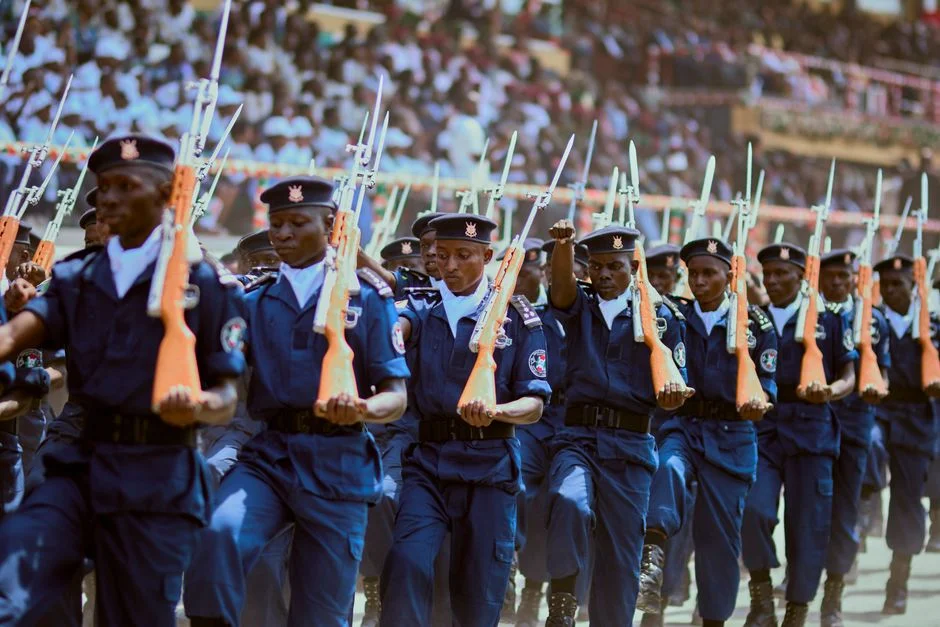
The President lauded the operational gains recorded by the armed forces in recent months, citing successful raids on bandit strongholds in Zamfara and Sokoto states. Military sources confirmed that at least three major camps had been dismantled since January, resulting in the recovery of weapons caches and the freeing of kidnapping victims. Tinubu described these outcomes as evidence that the government's security strategy was producing tangible results on the ground.
The Scope of Nigeria's Security Crisis
Nigeria has grappled with multiple security threats simultaneously for years. In the northeast, the Boko Haram insurgency and its offshoot Islamic State West Africa Province continue to stage attacks despite a decade of military operations. Armed criminal groups, commonly referred to as bandits, have established control over vast rural territories in the northwest and central states, regularly carrying out kidnappings for ransom and raids on farming communities.
The violence has taken a heavy toll on ordinary citizens. Families in affected states have reported abandoning ancestral farmlands, schools have closed in volatile areas, and market towns that once thrived now sit half-empty as residents flee southward to state capitals. The economic consequences extend beyond the immediate conflict zones, disrupting agricultural supply chains and driving up food prices in regional markets.
Community Responses and Local Adaptations
Communities across the affected regions have organised their own defensive measures in response to the failures of state security apparatus. Local vigilantes have partnered with the military in intelligence-sharing arrangements, though these collaborations have sometimes broken down over resource disputes or allegations of collusion with armed groups. Traditional rulers have found themselves caught between their duty to protect subjects and the risk of retaliation from well-armed criminal networks.
Internally displaced persons camps in states like Niger, Katsina, and Benue have seen populations swell as the violence forces more families from their homes. Aid organisations working in these settlements report chronic shortages of food, medicine, and shelter materials, with resources stretched thin across a widening crisis.
Government Strategy and Military Operations
The President's remarks signalled a continuation of the existing hardline approach to Nigeria's security problems. Since taking office in May 2023, Tinubu has repeatedly authorised expanded military operations against armed groups, including air strikes targeting bandit camps and ground offensives in the northeast. The government has also pursued diplomatic channels, engaging neighbouring countries on cross-border security cooperation.
Security analysts have noted that while military pressure has inflicted losses on armed groups, the underlying drivers of insecurity remain largely unaddressed. Poverty, unemployment, environmental degradation, and weak governance structures in rural areas all contribute to the conditions that feed recruitment into criminal and extremist organisations. Questions persist about whether the current approach can deliver lasting peace without complementary investments in development and social programmes.
Political and Diplomatic Dimensions
Tinubu's address also carried a political message, framing national unity as essential to defeating the threat posed by armed groups. The President emphasised that Nigeria's diversity, rather than being a source of division, should be harnessed as a strength in the fight against those who seek to fracture society along ethnic or religious lines. The statement appeared designed to counter narratives from extremist groups that portray their struggle as one between different communities rather than one between law-abiding citizens and criminal violence.
On the diplomatic front, Nigeria has maintained pressure on the international community to sustain support for regional counter-terrorism efforts. Western military assistance, including surveillance equipment and training programmes, has continued to flow to Nigerian forces, though some aid packages have been reviewed following incidents that raised concerns about civilian harm.
What Comes Next
The President's declaration sets the tone for the months ahead, with military operations expected to intensify as the dry season arrives and movement across rural areas becomes easier for armed groups. State governors have been directed to strengthen their own security apparatus and coordinate more closely with federal forces operating in their territories.
Citizens in affected areas will be watching closely for evidence that the government's rhetoric translates into improved safety on the ground. The coming dry season, which typically sees a spike in bandit attacks on rural settlements, will serve as a test of whether the gains cited by the President can be sustained and expanded. How the administration balances military pressure with addressing the root causes of insecurity will determine whether Tuesday's declaration marks a turning point or simply another chapter in a long-running crisis.
See Also
- Africa’s Space Race Triggers Brain Gain Wave
- UNESCO-Linked NGO Warns Microplastics Are Contaminating Africa's Coastal Waters
The government has also pursued diplomatic channels, engaging neighbouring countries on cross-border security cooperation.Security analysts have noted that while military pressure has inflicted losses on armed groups, the underlying drivers of insecurity remain largely unaddressed. Western military assistance, including surveillance equipment and training programmes, has continued to flow to Nigerian forces, though some aid packages have been reviewed following incidents that raised concerns about civilian harm.What Comes NextThe President's declaration sets the tone for the months ahead, with military operations expected to intensify as the dry season arrives and movement across rural areas becomes easier for armed groups.
What is the latest news about tinubu vows nigeria wont be defined by terrorists bandits in national security pledge?
Why does this matter for health-medicine?
What are the key facts about tinubu vows nigeria wont be defined by terrorists bandits in national security pledge?