Isuzu Motors South Africa has initiated a targeted relief campaign to support agricultural communities severely impacted by the recurring outbreak of Foot-and-Mouth Disease. This strategic intervention aims to stabilize local supply chains and provide immediate financial and logistical aid to smallholder farmers who are currently facing unprecedented losses in their livestock herds.
The timing of this corporate response is critical, as the disease continues to spread across key farming regions, threatening food security and the economic stability of rural households. By directly addressing the logistical bottlenecks that plague affected areas, Isuzu is attempting to bridge the gap between policy announcements and on-the-ground reality for those who produce the nation's food.
Direct Impact on Rural Communities
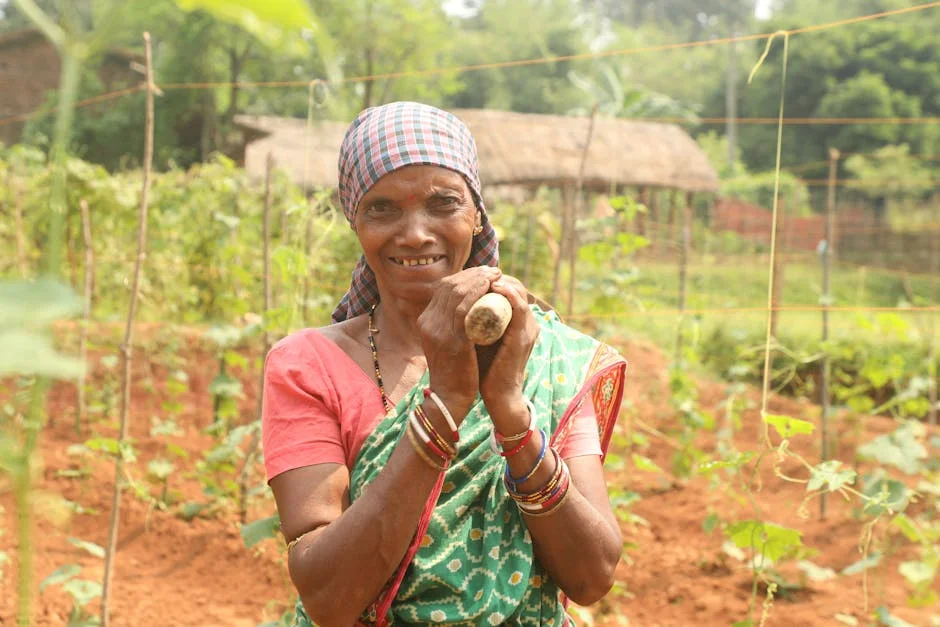
For citizens living in rural districts, the outbreak of Foot-and-Mouth Disease is not merely a veterinary issue but a profound economic shock. Smallholder farmers, who often rely on a single bull or a small herd of dairy cows for their daily income, find themselves facing a dual threat of mortality and market stagnation. When the disease strikes, movement restrictions are imposed, preventing farmers from getting their produce to local markets in cities like Pretoria and Johannesburg.
The financial strain is immediate and severe. Many families report that the cost of veterinary care and the loss of milk production have depleted their savings within weeks. This campaign by Isuzu seeks to alleviate some of this pressure by offering subsidized transport services for essential farm inputs. Farmers can now move feed, water, and medical supplies more efficiently, reducing the operational costs that often force smaller producers out of the business.
Community leaders in the affected regions have expressed cautious optimism about the initiative. They note that while government subsidies are often slow to arrive, corporate interventions can provide the quick turnaround needed to keep farms afloat during the critical early stages of an outbreak. This direct support helps maintain the social fabric of these communities, where the loss of a farm can lead to increased migration to urban centers and heightened social tension.
Logistical Challenges and Supply Chain Disruptions
The spread of Foot-and-Mouth Disease creates complex logistical hurdles that extend far beyond the farm gate. Roads that are typically busy with agricultural traffic become congested with veterinary vehicles, quarantine checkpoints, and delayed produce trucks. This disruption affects the entire supply chain, leading to higher prices for consumers in urban areas and reduced income for farmers who are forced to sell at a discount due to urgency.
Isuzu’s involvement addresses this specific pain point by leveraging its fleet of reliable light commercial vehicles. These vehicles are well-suited for the often rugged terrain of South African farms, ensuring that goods can reach remote areas where larger trucks might struggle. By providing these vehicles to farmer cooperatives, the campaign ensures that the flow of goods remains consistent despite the health crisis affecting the livestock population.
Transport Solutions for Smallholders
The campaign specifically targets smallholder farmers who often lack the capital to invest in robust transport infrastructure. For these producers, a breakdown in a single vehicle can mean the difference between a fresh harvest reaching the market and a week’s worth of produce spoiling under the hot sun. Isuzu’s provision of vehicles and maintenance support reduces this vulnerability significantly.
Additionally, the initiative includes training sessions on vehicle maintenance and efficient route planning. This knowledge transfer empowers farmers to manage their logistics more effectively, reducing fuel consumption and wear and tear on the vehicles. Such practical support is often more valuable than a one-time cash grant, as it builds long-term resilience within the farming community.
Economic Consequences for Local Markets
The economic ripple effects of Foot-and-Mouth Disease are felt acutely in local markets across the region. As livestock numbers dwindle and milk production drops, the prices of beef and dairy products begin to rise. This inflationary pressure hits low-income households the hardest, forcing them to adjust their diets and reduce their spending on other essential goods. The stability of the local economy is thus directly tied to the health of the agricultural sector.
Isuzu’s campaign aims to mitigate these economic shocks by ensuring that the remaining healthy livestock and produce can reach the market without excessive delay. By reducing the time it takes for goods to move from farm to fork, the campaign helps stabilize prices and ensures a more consistent supply of fresh produce. This stability is crucial for maintaining consumer confidence and preventing panic buying, which can further exacerbate price volatility.
Local businesses that depend on agricultural output, such as butchers, dairies, and processing plants, also benefit from this improved logistical efficiency. These businesses employ a significant portion of the rural workforce, meaning that their stability has a direct impact on household incomes and local employment rates. Supporting the agricultural supply chain, therefore, supports the broader local economy.
Community Response and Local Engagement
Community response to the Isuzu campaign has been largely positive, with many farmers welcoming the practical support offered by the automotive giant. Local agricultural associations have praised the initiative for its focus on actionable solutions rather than just symbolic gestures. Farmers appreciate that the campaign addresses the specific challenges they face, such as transport costs and vehicle reliability.
Engagement has been facilitated through town hall meetings and on-farm demonstrations, allowing farmers to interact directly with Isuzu representatives and other stakeholders. These interactions have helped to build trust and ensure that the relief efforts are tailored to the specific needs of different communities. Feedback from these sessions has been used to refine the campaign, ensuring that it remains responsive to the evolving situation on the ground.
The campaign has also encouraged greater collaboration among farmers, who have formed cooperatives to share resources and coordinate their transport needs. This sense of solidarity is vital for the long-term resilience of the agricultural sector, as it enables farmers to pool their resources and negotiate better terms with suppliers and buyers. Isuzu’s support has thus acted as a catalyst for broader community organizing.
Broader Implications for Food Security
Food security is a pressing concern for the region, and the impact of Foot-and-Mouth Disease on livestock production has highlighted the vulnerabilities in the local food system. Any disruption in the supply of meat and dairy products can have long-term consequences for nutrition and health, particularly for children and the elderly. Ensuring a stable and reliable food supply is therefore a critical priority for both policymakers and private sector actors.
Isuzu’s campaign contributes to food security by supporting the efficiency of the agricultural supply chain. By helping farmers get their produce to market more quickly and at a lower cost, the campaign helps to ensure that food remains affordable and accessible to consumers. This is particularly important in rural areas, where access to diverse food sources can be limited by distance and infrastructure.
The initiative also underscores the importance of public-private partnerships in addressing complex challenges like food security. By combining the logistical expertise of a major automotive company with the local knowledge of farmers and agricultural associations, the campaign demonstrates how collaborative efforts can yield tangible benefits for communities. This model could serve as a template for future interventions in other sectors of the economy.
Looking Ahead: Next Steps and Monitoring
As the Foot-and-Mouth Disease outbreak continues to evolve, the effectiveness of the Isuzu campaign will be closely monitored by stakeholders across the agricultural sector. Key indicators will include the number of farmers reached, the volume of produce transported, and the overall impact on local market prices. Regular reports and feedback mechanisms will be used to assess the campaign’s progress and make necessary adjustments.
Future steps may involve expanding the campaign to other regions affected by the disease and incorporating additional support services, such as veterinary care and financial literacy training. The long-term goal is to build a more resilient agricultural sector that can withstand future shocks and continue to provide food and income for rural communities. Stakeholders are encouraged to stay engaged and provide ongoing input to ensure that the relief efforts remain relevant and effective.
See Also
- WHO Warns Ebola Spreads Faster — Nigeria Faces Urgent Health Threat
- Kota Doctor Anuj Agnihotri Tops UPSC 2025: What His Success Means for Education
Broader Implications for Food Security Food security is a pressing concern for the region, and the impact of Foot-and-Mouth Disease on livestock production has highlighted the vulnerabilities in the local food system. Key indicators will include the number of farmers reached, the volume of produce transported, and the overall impact on local market prices.
What is the latest news about isuzu launches farmer relief campaign amid footandmouth crisis?
Why does this matter for health-medicine?
What are the key facts about isuzu launches farmer relief campaign amid footandmouth crisis?