Ghana has launched an emergency evacuation of its citizens from South Africa following a sudden spike in xenophobic violence in Durban. The Ghanaian High Commission in Pretoria is currently processing hundreds of expatriates who seek immediate repatriation as tensions escalate across KwaZulu-Natal. This development marks one of the largest diplomatic responses to regional instability in recent years for the West African nation.
Escalating Tensions in Durban
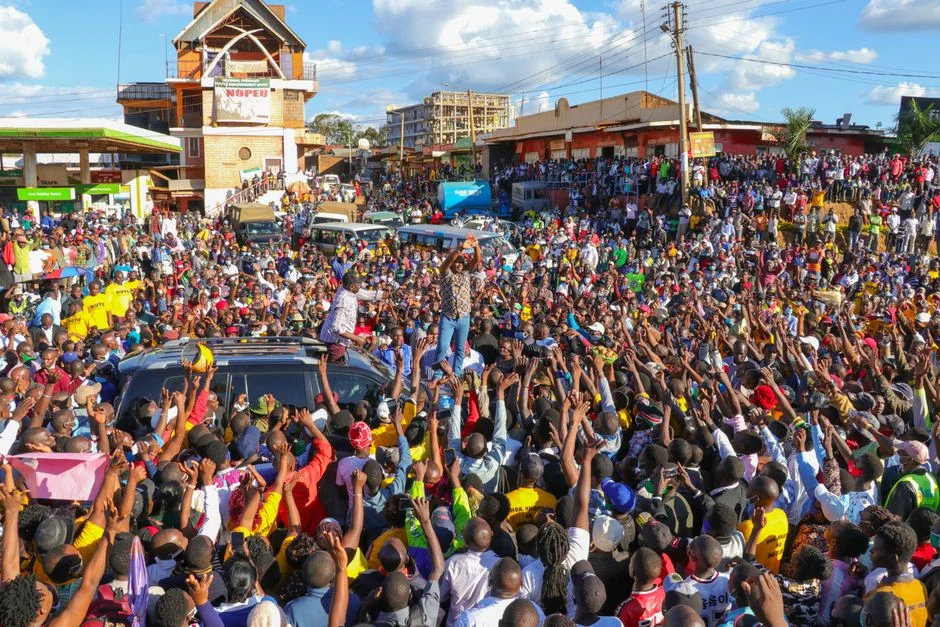
The unrest began intensifying in the industrial city of Durban, where long-standing economic grievances have flared into open conflict. Local reports indicate that market traders and construction workers have become primary targets of the agitation. Violence has disrupted daily life, forcing many businesses to close their shutters for the third consecutive day.
Citizens in the region describe a scene of increasing uncertainty. Shop owners in the Umhlanga area report that security patrols are intermittent, leaving neighborhoods vulnerable to sudden raids. The atmosphere is tense, with rumors spreading rapidly through social media and local radio stations. Many residents have opted to stay indoors, relying on community WhatsApp groups for real-time updates on safe routes.
This situation directly impacts the economic stability of local communities in Durban. Small enterprises, many of which are owned by West Africans, face potential looting and long-term brand damage. The disruption affects supply chains, leading to price hikes on essential goods for local South African residents as well. The social fabric of these mixed neighborhoods is under significant strain.
Ghana’s Diplomatic Response
The Government of Ghana has moved quickly to secure the safety of its expatriate population. Foreign Minister Shire Andrew Assibey confirmed that the Ministry of Foreign Affairs has activated its emergency protocol. He stated that the government is coordinating with the South African Department of Home Affairs to facilitate smooth departure procedures. This proactive stance aims to prevent further casualties among Ghanaian nationals.
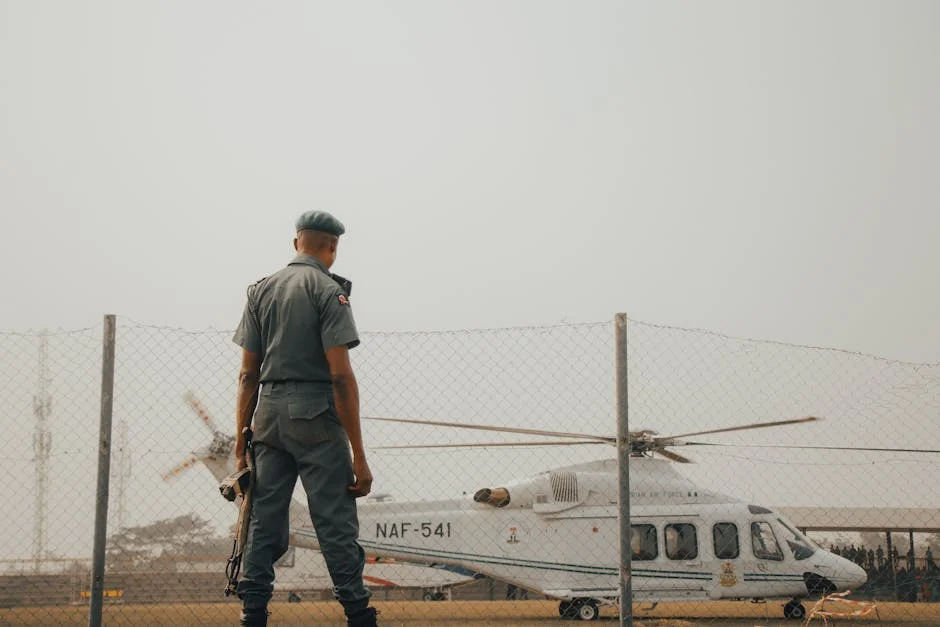
At the High Commission in Pretoria, long queues have formed outside the embassy gates. Families with young children and elderly relatives are prioritized for initial flights. Consular officials are working extended hours to verify travel documents and issue emergency passports. The scene reflects the urgency felt by those waiting to board the evacuation flights to Accra.
Logistics of the Evacuation
Organizing the logistics of a large-scale evacuation presents complex challenges for the Ministry of Foreign Affairs. The government has chartered two flights to handle the initial wave of departures. These flights are scheduled to depart from King Shaka International Airport in Durban. Security arrangements include police escorts from the embassy to the terminal gates to minimize exposure to crowds.
Coordination with local authorities remains critical for the success of the operation. The South African Police Service has deployed additional units to secure key transit points. However, communication gaps occasionally delay the movement of evacuees. Diplomats on the ground are holding daily briefings with local leaders to adjust plans as the situation evolves.
Impact on the Ghanaian Diaspora
For the thousands of Ghanaians living in South Africa, this crisis brings both relief and anxiety. Many have invested years of savings into small businesses, hoping to build a stable future. The sudden need to leave means some may have to sell assets at a loss or abandon leases. This financial hit could set their economic progress back by several years.
The social impact extends beyond immediate financial losses. Community networks that have thrived in cities like Johannesburg and Cape Town face fragmentation. Families are divided, with some members returning to Accra while others remain in South Africa. This separation creates emotional stress and complicates long-term family planning for many expatriates.
Local community leaders in Accra are preparing to receive the returnees. The Ghana Investment Promotion Centre is exploring options to help repatriated entrepreneurs restart their businesses. This support aims to mitigate the economic shock for those who return. Community centers are also offering counseling services to help families adjust to their new reality.
Economic Ripples in the Region
The xenophobic unrest has broader economic implications for the Southern African Development Community. Trade routes between South Africa and neighboring countries have seen increased scrutiny. This affects the flow of goods and services, potentially raising costs for consumers in Ghana and other importing nations. Supply chain disruptions are a direct consequence of the instability.
Investor confidence in the region is also being tested. International businesses monitor the situation closely to assess risks to their operations. A prolonged period of uncertainty could lead to deferred investments in the South African market. This has knock-on effects for regional economic integration efforts and bilateral trade agreements.
Ghana’s own economy may see an influx of capital as returnees convert their South African Rand savings. This could provide a short-term boost to the local currency. However, the long-term impact depends on how effectively the government can reintegrate these skilled workers. The labor market in Accra may benefit from the additional talent pool.
Community Reactions and Solidarity
Within South Africa, community reactions are mixed but increasingly supportive of peace. Local South African leaders have called for unity, emphasizing the shared struggles of the working class. Inter-community dialogues are being organized in affected areas to bridge divides. These efforts aim to prevent the crisis from spiraling into a broader social fracture.
Grassroots organizations are playing a vital role in providing immediate aid. Volunteers are distributing food, water, and medical supplies to those stranded in their homes. This local initiative demonstrates the resilience of communities facing sudden adversity. It also highlights the importance of civil society in managing crises where state resources are stretched thin.
In Ghana, public reaction has been one of solidarity and concern. Social media campaigns have rallied support for the evacuees, with calls for government transparency and efficiency. Citizens are donating funds to cover accommodation costs for returnees. This collective response strengthens national cohesion during a time of external pressure.
Historical Context of Xenophobia
This latest wave of unrest is not isolated but part of a recurring pattern in South Africa. Xenophobic tensions have flared periodically since the early 2000s, often triggered by economic pressures and housing shortages. The 2008 and 2015 episodes resulted in significant casualties and property damage. Understanding this history is essential for anticipating future trends and implementing effective preventive measures.
Economic factors remain the primary driver of these tensions. High unemployment rates and the dominance of informal trade sectors create competition between local and foreign workers. Political rhetoric occasionally exacerbates these underlying issues. Addressing the root causes requires comprehensive economic reforms and inclusive social policies.
Previous diplomatic interventions have had varying degrees of success. Regional summits have been held to discuss the integration of migrant workers. However, implementation of agreed-upon measures has often been slow. The current crisis tests the effectiveness of these long-standing diplomatic frameworks.
What to Watch Next
The immediate focus is on the completion of the first phase of the Ghanaian evacuation. Officials expect the initial flights to carry approximately 300 citizens. The next critical step is the finalization of agreements for subsequent waves of departures. This will depend on the stability of the security situation in Durban and the availability of additional flight capacity.
Diplomats will continue to monitor the situation closely for any signs of further escalation. The Ghanaian High Commission has advised citizens in other parts of South Africa to remain vigilant. Travel advisories may be updated based on real-time intelligence from the ground. Citizens are encouraged to maintain regular contact with their families back home.
Long-term solutions will require sustained dialogue between the two governments. Both nations are likely to convene a bilateral commission to review the status of migrant workers. This commission will focus on visa policies, work permits, and social integration strategies. The outcome of these discussions will shape the future relationship between Ghana and South Africa.
Readers should monitor official statements from the Ministry of Foreign Affairs in Accra for the latest updates. The next major milestone will be the announcement of the total number of evacuees and their arrival dates. This information will provide a clearer picture of the scale of the crisis and its resolution. Staying informed will help citizens and businesses prepare for any further developments in the region.
See Also
- Ganduje’s Probe: Court Issues 48 Hours To Kano Commission Of Inquiry Judges To Resign
- Congress Rebel Candidate Withdraws From Karnataka Polls
It also highlights the importance of civil society in managing crises where state resources are stretched thin. This affects the flow of goods and services, potentially raising costs for consumers in Ghana and other importing nations.