Nigeria's Vice President Kashim Shettima confirmed on Tuesday that SpaceX technology is now integrated into the country's emergency response infrastructure, giving first responders and disaster management agencies access to reliable high-speed internet in hard-to-reach areas.
The announcement came during a coordination meeting with national emergency officials in Abuja. Shettima said the partnership with SpaceX addresses one of Nigeria's most persistent challenges: maintaining communication lines during floods, oil spills, and other crises that frequently cut off affected communities.
What the SpaceX Integration Means for Emergency Workers
Emergency response agencies across Nigeria have long struggled with connectivity gaps. When flooding hit states like Kogi and Niger in previous years, communications networks often collapsed within hours, leaving rescue teams unable to coordinate and families unable to call for help.
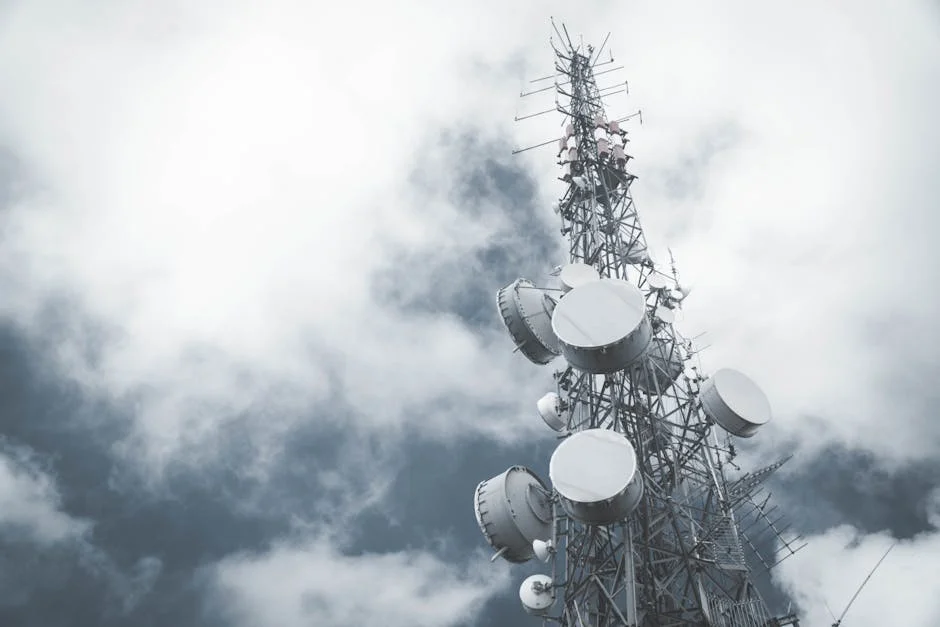
SpaceX's Starlink satellite network, now available to approved government agencies, solves this problem by relying on satellites rather than ground-based cell towers. The system can be deployed within hours to any location, even where no physical infrastructure exists.
The National Emergency Management Agency (NEMA) will oversee distribution of the equipment to state emergency coordinators. Officials said priority areas include the Niger Delta, where oil spill responses require rapid coordination, and northern states prone to flooding during the rainy season.
Connecting Remote Communities Where Networks Fail
For citizens in Nigeria's most isolated communities, this development could prove significant. Farmers in flood-prone areas along the Benue River basin have previously been cut off for days during emergencies, unable to access weather warnings or call for evacuation support.
Shettima told emergency officials that the technology will eventually extend to community-level responders, not just national agencies. This means local leaders in villages without cell coverage could maintain contact with emergency services during crises.
Why Satellite, Not Traditional Networks
Traditional mobile networks require physical towers and fiber optic cables. In Nigeria, these installations frequently sustain damage during the heavy rains that trigger flooding across central states each year. Satellite connectivity bypasses these vulnerabilities entirely.
The Federal Ministry of Communications and Digital Economy approved the partnership framework last month, clearing the way for government agencies to purchase Starlink terminals at subsidized rates.
Cost and Implementation Timeline
Individual Starlink terminals currently retail for several hundred dollars, a price point that puts the equipment beyond reach for most local governments. The Federal Government has negotiated a bulk purchase arrangement that reduces costs for approved emergency agencies.
Shettima did not disclose the exact figures during Tuesday's meeting, but officials familiar with the negotiations said the arrangement covers equipment for emergency coordinators in 15 states during the initial phase. Deployment is expected to begin before the end of the current rainy season.
Abuja, the nation's capital, will serve as the coordination hub for the network, with satellite terminals installed at NEMA's regional offices across the six geopolitical zones.
Comparing Nigeria's Approach to Regional Neighbours
Several West African nations have explored satellite connectivity for emergency use. Ghana's National Disaster Management Organisation has partnered with similar providers in recent years, though on a smaller scale. Chad and Niger, which share flood-risk zones with Nigeria, have yet to implement comparable systems.
Nigeria's choice to integrate SpaceX technology reflects a broader shift toward satellite-based solutions among nations with limited terrestrial infrastructure. The approach aligns with recommendations from the African Union's disaster management framework, which has pushed member states to adopt technologies resilient to physical infrastructure failures.
What to Watch Over the Coming Months
The first test of the new system will likely come during the September-October flooding season, when heavy rains typically cause significant damage across central and southern Nigeria. Emergency officials in at-risk states will receive terminals before then.
Borno State, where insurgency has complicated emergency response logistics, will be closely watched. Officials said the satellite network could improve coordination in areas where security concerns have disrupted conventional communications infrastructure.
A public rollout for community leaders is expected to follow the initial agency deployment. The timeline for that phase depends on funding availability and equipment supply chains, according to officials familiar with the programme.
Citizens in flood-prone regions should expect improved emergency communication capacity by early next year, though the government has not announced a specific public launch date for community-level access to the satellite network.
See Also
- Kano Pillars FC Secures Two-Year Partnership Deal with ‘Rambo’ Manufacturer
- New York Newest Vegan Spot: No Shade From Us, Shady Shack Is On Point
The Federal Government has negotiated a bulk purchase arrangement that reduces costs for approved emergency agencies.Shettima did not disclose the exact figures during Tuesday's meeting, but officials familiar with the negotiations said the arrangement covers equipment for emergency coordinators in 15 states during the initial phase. Deployment is expected to begin before the end of the current rainy season.Abuja, the nation's capital, will serve as the coordination hub for the network, with satellite terminals installed at NEMA's regional offices across the six geopolitical zones.Comparing Nigeria's Approach to Regional NeighboursSeveral West African nations have explored satellite connectivity for emergency use.