Cooking gas prices across Nigeria have climbed nearly 40 percent since January, squeezing household budgets even as domestic liquefied petroleum gas production reached its highest level in five years. The contradiction has left millions of families in Lagos, Kano, and Port Harcourt struggling to afford the fuel they rely on for daily cooking.
The price surge has hit hardest in the north, where many households have switched to LPG following persistent petrol shortages. A standard 12-kilogram cylinder that cost 8,500 naira in December now sells for more than 12,000 naira in many markets, according to price monitoring data from the Nigerian National Petroleum Company Limited.
Why Domestic Supply Hasn't Cooled Prices

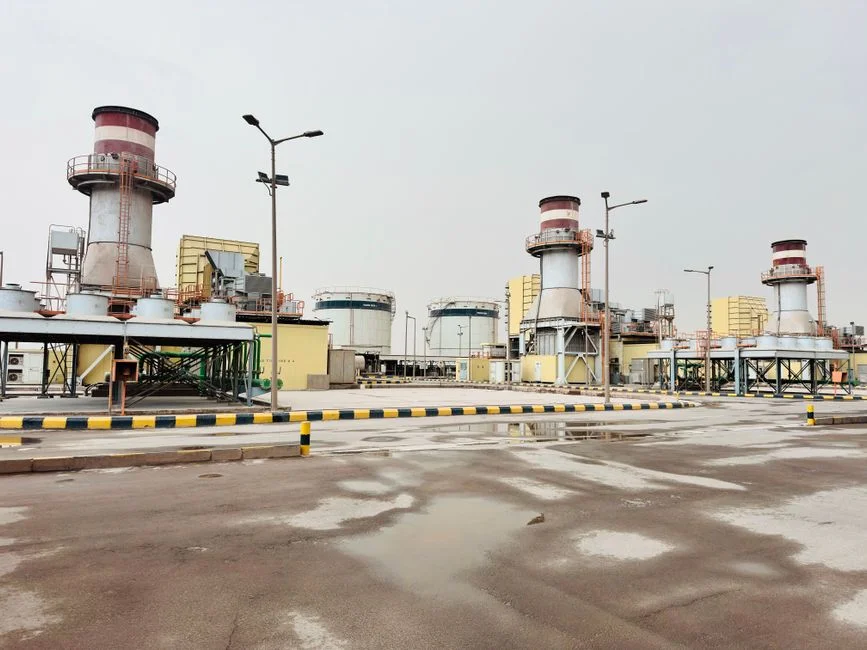
Industry analysts point to a structural problem: production gains have not translated into lower retail costs because distribution infrastructure remains weak. The NNPC disclosed in March that domestic LPG output rose to 1.2 million metric tonnes last year, up from 850,000 tonnes in 2022. Yet the gas that leaves processing plants in Warri and Escravos often gets trapped in a supply chain that lacks adequate pipeline capacity and storage facilities.
"Producers are selling into an export market where they get better prices," said Emeka Obi, an energy analyst at Lagos-based consultancy Prowe Consulting. "Domestic retailers compete for whatever remains, and that competition drives up what consumers pay at the pump."
Impact on Everyday Nigerians
For Fatima Ibrahim, a mother of four in Kano's Fagge district, the price jump has forced a difficult choice. She has returned to burning wood and charcoal, practices she abandoned three years ago when LPG became affordable. "The cylinder barely lasts two weeks now," Ibrahim told reporters. "We cannot keep up with the cost."
The burden falls unevenly across the country. Urban centres like Abuja and Lagos have better access to multiple suppliers, which has moderated price increases in some districts. Rural areas in Niger and Kebbi states face steeper costs because fewer transporters service those routes, adding logistics margins onto already elevated wholesale prices.
Health Costs Pile On
Public health advocates have warned that renewed reliance on solid fuels carries consequences beyond the household budget. The Ministry of Health reported that indoor air pollution from cooking fires contributes to roughly 100,000 premature deaths annually in Nigeria, a figure that could rise if families abandon LPG due to affordability.
Government Response Under Scrutiny
The Ministry of Petroleum Resources has acknowledged the pricing pressure but has offered few concrete remedies. Minister Ekperikpe Ekpo told lawmakers in April that the government is examining mechanisms to subsidise LPG for low-income families, though no timeline has been announced. The Nigeria Electricity Regulatory Commission has also faced calls to investigate whether transporter associations are inflating margins beyond reasonable levels.
Some operators argue that price controls could backfire. "If we cap retail prices below what it costs to move gas inland, importers will simply stop bringing product to the north," said Segun Ajibola, managing director of Cross River-based supplier Flamingo Gas. "That leaves the people we're trying to help with nothing."
What Comes Next
Stakeholders will watch for any announcement from the Ministry on subsidy framework details, expected before the end of the second quarter. The NNPC has said it will publish monthly supply and pricing data to improve transparency in the market. Households in the affected regions say they need relief sooner rather than later. "Prices change every month now," said Chinedu Okonkwo, a vulcanizer in Enugu who buys a 5-kilogram cylinder each week for his family. "Something has to give."
See Also
- Sowetans Rally Against Car Spinning as Tensions Rise
- Think Music Returns — Sippinpurpp Sparks Nigerian Music Revival
"If we cap retail prices below what it costs to move gas inland, importers will simply stop bringing product to the north," said Segun Ajibola, managing director of Cross River-based supplier Flamingo Gas. Rural areas in Niger and Kebbi states face steeper costs because fewer transporters service those routes, adding logistics margins onto already elevated wholesale prices.Health Costs Pile OnPublic health advocates have warned that renewed reliance on solid fuels carries consequences beyond the household budget.