Wolverhampton Wanderers supporters have turned on the Video Assistant Referee following the contentious dismissal of Daniel Ballard in a crucial Premier League clash against Sunderland. The incident, which saw the midfielder sent off for a hair-pull on opponent Jobe Bellingham, has ignited a fresh debate about consistency and fairness in English football. Fans argue that the decision undermines the competitive balance of the season and directly impacts the club’s chances of securing a top-six finish.
The Controversial Moment at Molineux
The match took place at Molineux Stadium in Wolverhampton, a city that has become a microcosm of the growing frustration with modern officiating standards. Daniel Ballard, a key midfielder for Wolves, was shown a yellow card by the on-field referee before being reviewed by VAR. The video assistant ultimately decided the foul was a "hair pull," resulting in a second yellow card and a red card for the 26-year-old. This specific call has divided opinion across the fanbase and the broader football community.
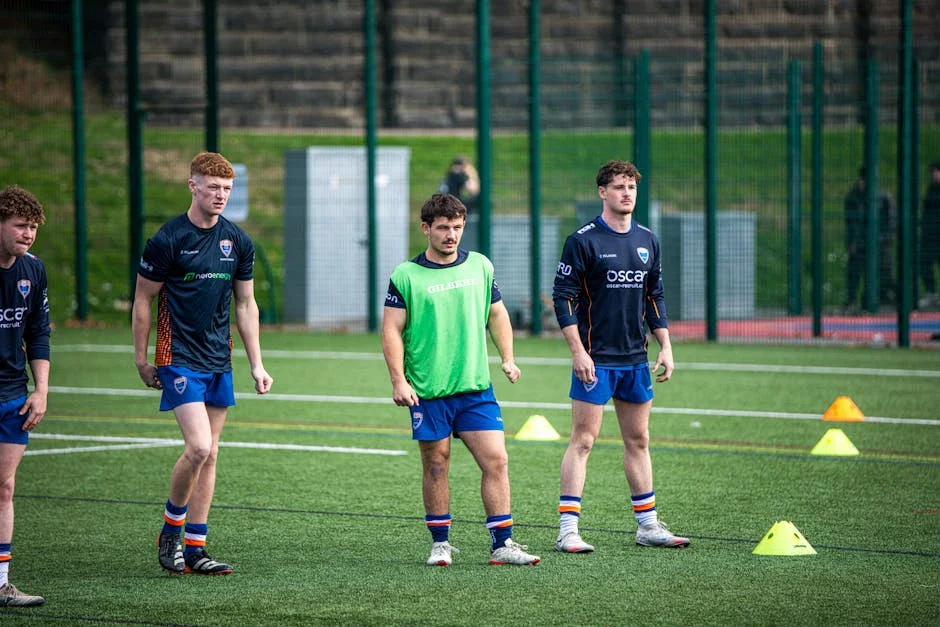
Critics point out that similar infractions in previous matches often went unpunished or resulted in only a single yellow card. The inconsistency is particularly painful for Wolves, who are fighting to cement their status in the upper echelons of the Premier League. The dismissal forced Wolves to play the final twenty minutes with ten men, a tactical nightmare that exposed their defensive line and allowed Sunderland to mount a late comeback. This direct consequence highlights how a single, subjective decision can alter the trajectory of a match and, by extension, a season.
Local Economic and Social Impact
For the citizens of Wolverhampton, football is more than just a pastime; it is a significant driver of local economic activity. A successful Premier League campaign translates to increased revenue for local businesses, from pubs and restaurants near Molineux to hotels accommodating away fans. When on-pitch performance suffers due to perceived officiating errors, the mood in the city shifts, affecting consumer confidence and spending habits in the immediate vicinity of the stadium.
The social fabric of the community is also tightly woven around the team’s fortunes. Local schools, community centers, and charities often leverage the club’s brand to engage residents and raise funds. A sense of injustice regarding the Daniel Ballard incident has sparked conversations in local forums and social media groups, where residents discuss how external factors like VAR decisions can feel like an intrusion on local pride. This emotional investment means that every match day carries weight far beyond the three points on the board.
Community Response and Fan Sentiment
Reactions from the stands were immediate and vocal. Chants directed at the fourth official and the VAR booth echoed through Molineux, reflecting a deep-seated anxiety about the future of the club’s competitiveness. Many fans expressed concern that the subjectivity of the "hair pull" rule gives referees too much power to decide outcomes, which can feel arbitrary to those paying for the experience. This sentiment is not unique to Wolverhampton but resonates deeply in cities where the football club is a central pillar of local identity.
Local businesses reported a mixed bag of reactions in the days following the match. While some cafes near the stadium saw a surge in patrons discussing the game, others noted a more subdued atmosphere compared to previous wins. This subtle shift in consumer behavior underscores the tangible link between sporting results and local economic vitality. The community is watching closely to see if the club’s management will appeal the decision or use it as leverage in broader negotiations with the Premier League.
Broader Implications for English Football
The Daniel Ballard incident is part of a larger narrative concerning the role of technology in sports. The Premier League has invested heavily in VAR to minimize human error, yet fans argue that it has introduced a new layer of complexity and subjectivity. The "hair pull" rule, for instance, is relatively new and its application has been inconsistent across different matches and referees. This lack of standardization creates uncertainty for players, coaches, and fans alike.
For clubs like Wolverhampton, the financial implications of a red card are significant. Losing a key player like Daniel Ballard for a week or more can disrupt team chemistry and tactical plans. In a league where every point counts, such disruptions can have cascading effects on the final table position. This, in turn, affects broadcast revenue, sponsorship deals, and European qualification bonuses, all of which contribute to the financial health of the club and its ability to invest in the local community.
What To Watch Next
The Premier League is expected to release a detailed report on the Daniel Ballard dismissal within the next 72 hours. This report will provide a frame-by-frame analysis of the incident, offering clarity on whether the VAR intervention was technically correct. Fans and analysts will be closely monitoring this document to see if it sets a precedent for future matches. The club’s sporting director may also consider filing a formal appeal, which could result in a one-week suspension being reduced to a two-match ban.
Looking ahead, the Wolves face a critical run of fixtures that will test their depth and resilience. The outcome of the VAR appeal will influence their squad selection and tactical approach in the upcoming games. Local businesses and community groups will also be watching to see how the club engages with its supporters in the wake of this controversy. The next few weeks will be crucial in determining whether this incident becomes a defining moment in the season or a fleeting memory in the long history of the club. Residents should keep an eye on official club announcements and local news outlets for updates on the appeal process and any potential changes to the squad lineup.
See Also
- Angolan Thriller 'Outgunned' Exposes Child-Hunting Gang: What This Means for Nigeria
- Tyla Nominated for 4 American Music Awards Amid Zara Larsson Collab Tease