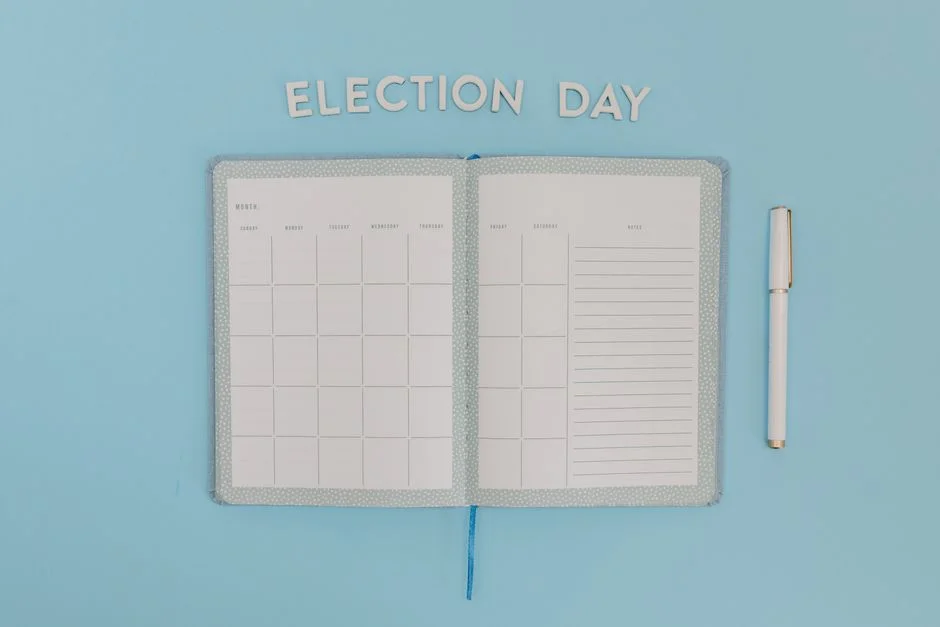
Exactly 15 political parties in Nigeria met the Independent National Electoral Commission's Friday deadline to submit presidential candidacy forms for the 2027 general election. INEC Chairman Yakubu Mahmoud confirmed the number at the commission's headquarters in Abuja on Saturday, marking a significant early milestone in what is expected to be a fiercely competitive race.
Parties Meet the Deadline
The compliance rate represents a strong showing from Nigeria's crowded political landscape. Of the 19 registered parties that received nomination forms from INEC, 15 successfully filed complete paperwork before the 6pm deadline on Friday. Four parties failed to meet the cutoff, effectively excluding their presidential aspirants from the 2027 ballot.
INEC spokesperson Ifeanyi Nwodo said the commission spent the weekend verifying submitted documents. "We received packages from 15 parties. Our team has begun the painstaking work of validation," Nwodo told reporters in Abuja. The verification process includes confirming that candidates meet constitutional requirements including age, education, and sponsorship by their party's National Working Committee.
Major Players Confirm Candidates
The ruling All Progressives Congress submitted paperwork for President Bola Tinubu's re-election bid, though the party has not officially announced whether Tinubu will seek a second term. The main opposition People's Democratic Party fielded former Vice President Atiku Abubakar, who finished second in the 2023 election. The Labour Party nominated Peter Obi, whose viral campaign last cycle attracted millions of young supporters.
Several smaller parties also completed the process. The New Nigeria Peoples Party, which gained modest traction in 2023, registered a candidate. The Action Democratic Congress and the Social Democratic Party also filed nomination papers within the window.
Party Coalition Negotiations
Negotiations between opposition parties have intensified in recent weeks. Obi and Atiku met twice in January to discuss a potential merger, though no formal alliance had been announced as of deadline day. Such a coalition could dramatically reshape the electoral map by consolidating anti-establishment votes in key battleground states like Lagos, Rivers, and Kano.
Political analysts in Abuja suggest coalition talks will resume now that the filing deadline has passed. "The pressure to unite has only increased," said Chidi Okonkwo, a political science professor at the University of Nigeria. "Each party that filed knows their path to victory runs through cooperation with at least one rival."
What the Deadline Means for Voters
For ordinary Nigerians, the deadline marks the beginning of the official election calendar. INEC will publish the final list of certified candidates by March 15, giving voters roughly two months to research their options before campaign rallies officially begin.
The 2027 election will be held on the third Saturday of February, as mandated by the 1999 Constitution. That date falls on February 21, 2027. Early projections from civil society groups suggest voter turnout could surpass the 26.5 million Nigerians who cast ballots in 2023, particularly if economic conditions improve.
Citizens in rural communities stand to feel the impact most acutely. Presidential candidates typically promise expanded infrastructure, healthcare, and agricultural support for farming regions. The North-West and North-East, where poverty rates exceed the national average, will be heavily courted by all 15 campaigns.
Economic Stakes of the Election
Nigeria's economy remains the central issue for most voters. The naira has stabilized somewhat after its dramatic 2023 depreciation, but food inflation still exceeds 20 percent in most markets. Unemployment, particularly among Nigerians aged 18 to 35, continues to climb.
Each candidate's economic platform will face intense scrutiny. The APC has pointed to infrastructure spending and banking sector reforms as evidence of progress. The PDP is campaigning on agricultural revitalization and energy sector investment. Peter Obi's team has focused on reducing government waste and diversifying revenue away from oil dependence.
Next Steps in the Electoral Calendar
INEC will release audited candidate lists to the public by March 15. Political parties have until April 1 to substitute candidates in cases of death, resignation, or disqualification. The commission has budgeted 760 billion naira for the 2027 elections, a 34 percent increase from 2023 spending.
Campaign advertising officially opens on January 1, 2027. Broadcast stations must offer equal airtime to all qualified candidates under INEC regulations. The first presidential debate is tentatively scheduled for October 2026, though logistics remain under discussion.
International monitors from the African Union and European Union have already requested accreditation to observe the polls. The United States Embassy in Abuja announced it would deploy a 45-person assessment team starting in September 2026.
See Also
- Tyla's South African Success Triggers Tourism Surge in Nigeria
- Heidi Klum Shocks Met Gala — And Nigeria's Fashion Economy Takes Note
Early projections from civil society groups suggest voter turnout could surpass the 26.5 million Nigerians who cast ballots in 2023, particularly if economic conditions improve.Citizens in rural communities stand to feel the impact most acutely. INEC will publish the final list of certified candidates by March 15, giving voters roughly two months to research their options before campaign rallies officially begin.The 2027 election will be held on the third Saturday of February, as mandated by the 1999 Constitution.
What is the latest news about 15 nigerian parties beat inec deadline submit 2027 presidential candidates?
Why does this matter for education?
What are the key facts about 15 nigerian parties beat inec deadline submit 2027 presidential candidates?