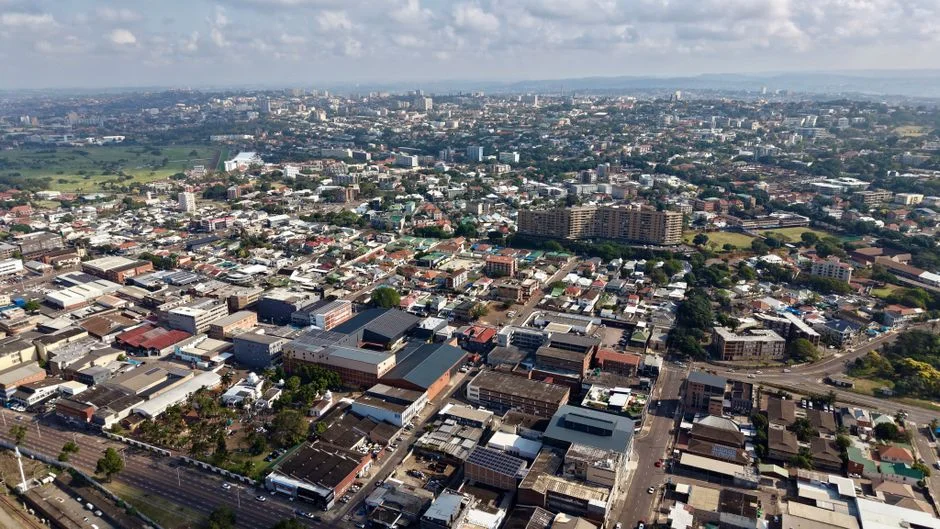
South African singer Tyla’s recent high-profile retreat to her homeland has sparked a ripple effect across West Africa, particularly in Nigeria. This cultural moment is not merely about celebrity leisure; it represents a shifting dynamic in the region’s creative economy. Fans and industry watchers in Lagos are closely monitoring how this visibility translates into tangible benefits for local communities. The intersection of music, tourism, and national pride is creating new opportunities for Nigerian citizens.
Tyla’s Cultural Footprint in South Africa
Tyla’s return to South Africa highlights the deep cultural roots that fuel her global success. Her recent activities included visits to iconic locations in Johannesburg and Cape Town. These trips were not just personal getaways but strategic engagements with her fanbase and local media. The visibility of a global star engaging with her home country draws significant attention. This attention often spills over into neighboring regions with strong cultural ties.

Nigeria shares a vibrant musical heritage with South Africa, making Tyla’s success a shared regional victory. The two nations have long exchanged artists, producers, and fans. When a South African artist achieves global stardom, it validates the broader African sound. This validation encourages Nigerian artists to look south for inspiration and collaboration. It also prompts Nigerian fans to explore South African culture more deeply.
The economic implications of this cultural exchange are becoming increasingly visible. Local businesses in South Africa report increased sales during Tyla’s visits. Restaurants, fashion boutiques, and music venues see a spike in patronage. This model offers a blueprint for how Nigerian cities can leverage their own stars. Communities in Lagos and Abuja are beginning to emulate this strategy.
Direct Impact on Nigerian Communities
Nigerian citizens are feeling the direct effects of Tyla’s rising profile. There is a noticeable increase in interest in South African tourism among Nigerian travelers. This trend is driven by the desire to experience the places that inspired Tyla’s music. Travel agencies in Lagos report a surge in inquiries for trips to Cape Town and Durban. This boost in tourism spending directly benefits the local economy.
Tourism and Local Business Growth
The ripple effect extends to local businesses in Nigeria as well. South African restaurants and cafes in Lagos are seeing higher foot traffic. Customers are eager to taste the cuisine that Tyla frequently highlights on social media. This demand creates jobs for chefs, servers, and managers. It also encourages Nigerian entrepreneurs to invest in South African-inspired ventures.
Local music venues in Nigeria are also capitalizing on this trend. Clubs and concert halls are booking more South African artists. This diversification of the live music scene provides more opportunities for Nigerian producers and engineers. The collaboration between Nigerian and South African music professionals strengthens the regional industry. It creates a more resilient economic ecosystem for creative workers.
Communities in Nigeria are using this cultural moment to foster greater social cohesion. Music festivals featuring both Nigerian and South African acts are becoming more common. These events bring together diverse groups of citizens. They provide a platform for dialogue and mutual understanding. This social impact is as valuable as the economic benefits.
Economic Opportunities for Nigerian Fans
The financial impact of Tyla’s popularity is evident in consumer behavior. Nigerian fans are spending more on music streaming, merchandise, and travel. This spending power flows into the local economy. It supports small businesses that cater to the Afrobeats and Afro-fusion audience. The growth of this niche market creates new revenue streams for entrepreneurs.
Job creation is a direct consequence of this cultural boom. The demand for South African-style fashion, food, and music has led to new hiring. Retailers in major cities like Lagos and Port Harcourt are expanding their teams. Hospitality businesses are also recruiting more staff to meet the increased demand. This employment growth helps to reduce unemployment rates in key sectors.
Investors in Nigeria are taking note of these trends. Venture capital firms are looking at opportunities in the creative industry. They see potential in startups that bridge the gap between Nigerian and South African markets. This investment influx brings fresh capital into the region. It supports innovation and growth in the creative sector.
Social Impact and Community Response
The social impact of Tyla’s success is profound. It fosters a sense of pan-African pride among Nigerian citizens. People feel connected to a broader continental narrative. This connection strengthens social bonds and encourages cultural exchange. Communities are organizing events to celebrate this shared heritage. These gatherings provide a sense of belonging and identity.
Educational institutions in Nigeria are also responding to this trend. Schools and universities are incorporating more South African music and culture into their curricula. This educational shift helps students understand the broader African context. It prepares them for a more interconnected regional economy. The focus on cultural literacy enhances the quality of education.
Community leaders are leveraging this cultural moment to drive social change. They are using music and art to address local issues. Initiatives that combine entertainment with social messaging are gaining traction. These efforts help to engage younger generations in civic life. They create a more active and informed citizenry.
Regional Collaboration and Future Prospects
The collaboration between Nigeria and South Africa is expected to deepen. Both countries recognize the economic potential of their shared cultural assets. Governments are exploring policies to facilitate easier travel and trade. These policies aim to reduce barriers for artists and entrepreneurs. The goal is to create a seamless regional market for creative goods.
Nigerian citizens should watch for upcoming joint music festivals. These events will likely feature more collaborations between Nigerian and South African stars. They will provide a platform for new talent to emerge. The success of these festivals will depend on effective planning and marketing. Community involvement will be crucial to their long-term viability.
The economic benefits of this collaboration are still unfolding. Continued investment in infrastructure and talent development will be key. Both countries must work together to maximize the potential of their creative industries. This partnership offers a model for other African nations. It demonstrates the power of cultural diplomacy in driving economic growth.
As Tyla’s influence continues to grow, its impact on Nigeria will become even more pronounced. Citizens should stay engaged with these developments. Participating in cultural events and supporting local businesses will help sustain this momentum. The future of the region’s creative economy depends on active community involvement. Watching the upcoming tourism and music trends will provide further insights into this evolving landscape.
See Also
- Lagos Schools Launch Safety Ambassadors to Curb Daily Risks
- Sierra Leone's First Lady Defies Odds — and Rewrites the Script
Economic Opportunities for Nigerian Fans The financial impact of Tyla’s popularity is evident in consumer behavior. Retailers in major cities like Lagos and Port Harcourt are expanding their teams.
What is the latest news about tylas south african success triggers tourism surge in nigeria?
Why does this matter for education?
What are the key facts about tylas south african success triggers tourism surge in nigeria?