On June 1, 2026, Africa grapples with escalating drought conditions that have resulted in widespread food insecurity. Reports indicate that over 30 million people across the continent are now at risk of famine, with the Sahel region being particularly hard hit. The situation poses a significant threat to local economies and daily life in affected areas.
Drought Conditions Declared in Multiple Regions
The African Union issued a statement noting that countries like Niger, Mali, and Chad are experiencing their driest months in over a decade. In Niger, officials reported that rainfall levels are down by approximately 40% compared to the previous year. This alarming statistic underscores the severity of the drought that is intensifying the challenges faced by local farmers.
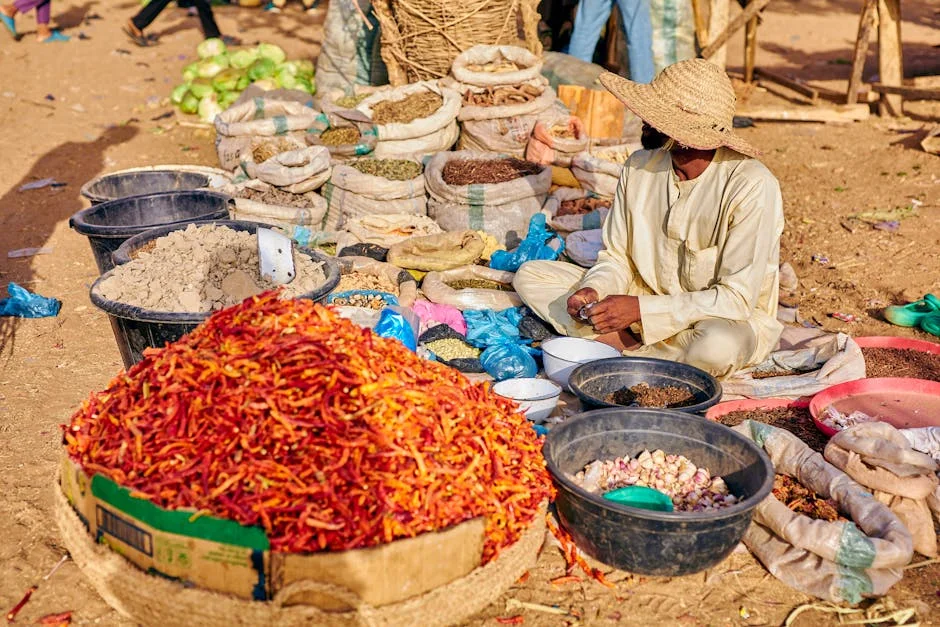
Farmers in these nations rely heavily on seasonal rain for crops, and the current conditions are forcing many to abandon their fields. Given that agriculture employs nearly 60% of the population in these regions, the economic impact is devastating. Local markets are seeing drastic declines in food supply, leading to soaring prices and limited access to essential goods.
Rising Food Prices and Community Response
As food scarcity rises, prices for staple foods like millet and sorghum have surged by over 50% in some markets. In Burkina Faso, for instance, a bag of millet now costs approximately 30% more than it did just three months ago. The price hikes are not just numbers; they reflect the daily struggles of families trying to feed their children.
Community leaders are sounding the alarm. In a recent town hall in Ouagadougou, local activist Aissatou Traore urged residents to come together and support each other in these trying times. “We must find ways to share what we have, or many will go hungry,” she stated, highlighting the importance of community solidarity during crises.
The Role of Governments and NGOs
Governments across affected countries are seeking urgent assistance from international NGOs and the United Nations to address the crisis. The World Food Programme confirmed its commitment to provide food aid, but logistical challenges remain. With transport routes disrupted by ongoing conflict in some regions, reaching those in need proves difficult.
In Nigeria, the government is also bracing for potential spillover effects, as import dependencies rise. The Minister of Agriculture, Abubakar Malami, warned that the food price inflation could exacerbate existing tensions in the country if not addressed promptly. “We must take proactive measures to ensure our food supply is secure during these challenging times,” he added in a recent press briefing.
Impact on Local Economies
The economic ramifications extend beyond just food prices. Local businesses dependent on agricultural products are seeing declines in trade and revenue. Markets in regions like Kano and Kaduna are reporting reduced sales as consumers cut back on non-essential purchases. This slowdown could lead to job losses and further economic instability.
As farmers struggle, local employment opportunities dwindle, creating a ripple effect across communities. The rise in unemployment rates could lead to higher crime rates and social unrest if the situation does not improve soon. Local authorities are being urged to implement emergency plans to stimulate job creation in agriculture and other sectors.
The Outlook for June and Beyond
Looking ahead, experts warn that June may bring little relief from the drought, with seasonal forecasts predicting below-average rainfall. Without effective interventions, the number of individuals facing food insecurity may rise significantly by the end of the month.
Local governments are urged to prepare their response strategies in anticipation of these challenges. Citizens are advised to stock essential supplies and engage in community support initiatives. The coming weeks will be critical in shaping the future of many communities across Africa as they navigate the dual challenges of drought and rising food costs.
See Also
- Baltimore Lawyer Slain Protecting Grandkids — Shock Ripples Through US
- Julia Damstra’s Legacy Reveals South Africa’s Racial Flaws
Local authorities are being urged to implement emergency plans to stimulate job creation in agriculture and other sectors.The Outlook for June and BeyondLooking ahead, experts warn that June may bring little relief from the drought, with seasonal forecasts predicting below-average rainfall. With transport routes disrupted by ongoing conflict in some regions, reaching those in need proves difficult.In Nigeria, the government is also bracing for potential spillover effects, as import dependencies rise.