South African farmers are facing an uncertain growing season as meteorologists confirm a developing El Niño pattern is set to bring drier conditions across much of the country. The weather phenomenon, which warming Pacific Ocean waters trigger, typically reduces rainfall in southern Africa during the summer months from October through March. Agriculture minister Thoko Didiza warned last month that the government was preparing contingency measures for reduced crop yields.
What El Niño Means for Southern Africa
El Niño is a climate cycle that occurs when sea surface temperatures in the central and eastern Pacific rise above normal levels. The phenomenon disrupts normal weather patterns across the globe, but its effects on southern Africa are particularly severe. Historically, El Niño years have brought significant reductions in rainfall across South Africa, Zambia, and Zimbabwe.
South Africa's national weather service has already reported below-average rainfall in several provinces during the early planting season. The South African Weather Service noted in its latest advisory that soil moisture levels in the maize-producing regions of the Free State and North West provinces are critically low. Experts tracking the phenomenon say the pattern is strengthening and is expected to peak between December and February.
Crop Production at Risk
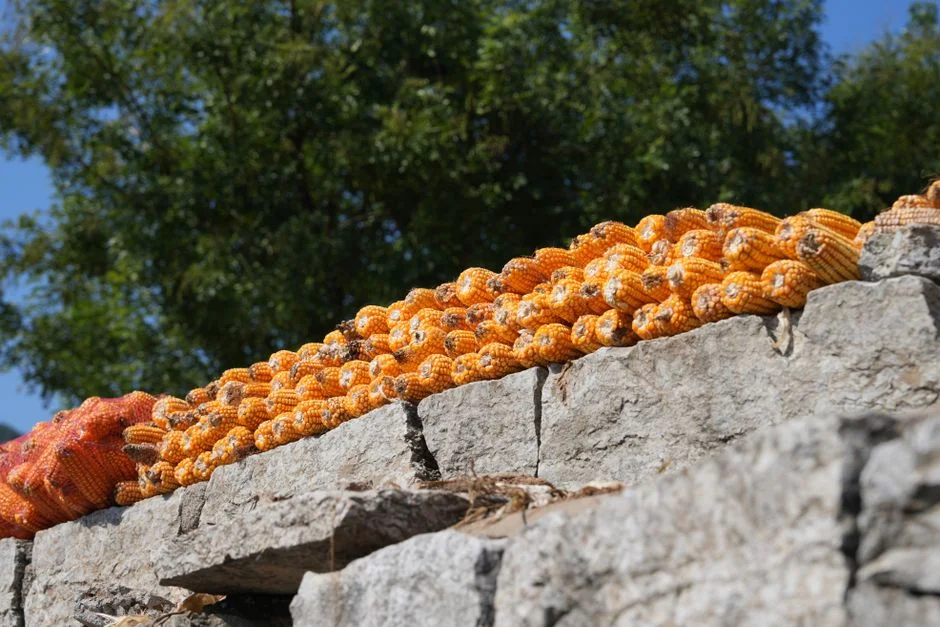
Maize is South Africa's most important staple crop and a major export commodity. The country typically produces between 14 and 16 million tonnes of maize annually under normal conditions. Agricultural analysts at the Grain South Africa association have expressed concern that production could fall by 20 percent or more if drought conditions persist through the critical flowering stage in January.
Wheat production, primarily concentrated in the Western Cape, faces a different threat. El Niño years often bring hotter and drier conditions to the winter rainfall region, which could reduce yields in a province that accounts for roughly 70 percent of South Africa's wheat supply. Sunflower seed and soybean farmers are also monitoring conditions closely, as these oilseed crops are particularly sensitive to moisture stress during early growth stages.
Economic Ripple Effects
The agricultural sector contributes approximately 2.5 percent to South Africa's gross domestic product, but its influence extends far beyond that figure. Farming communities in rural provinces depend on seasonal income from crop sales, and reduced harvests ripple through local economies where input suppliers, transporters, and farm workers all feel the strain.
South Africa's Food and Allied Workers Union has raised concerns about potential job losses in farming regions. The union estimated that significant drought could put seasonal employment for up to 50,000 workers at risk in maize-growing districts alone. Food price inflation, already a concern for South African households managing tight budgets, could accelerate if supplies tighten.
Government Response and Farmer Adaptation
The Department of Agriculture has activated its disaster management protocols in anticipation of drought conditions. Extension officers have been deployed to farming regions to advise on water conservation and drought-resistant planting techniques. The government has also indicated it may release emergency grain reserves if production falls short of domestic consumption needs.
Some commercial farmers are turning to insurance products and drought-tolerant seed varieties to manage risk. Grain SA reported that coverage under multi-peril crop insurance has increased by 15 percent compared to the previous season as producers seek protection against weather volatility. However, smallholder farmers with limited access to credit and insurance remain the most vulnerable.
Regional Trade Implications
South Africa is a net exporter of maize to neighbouring countries in the Southern African Development Community. If domestic production declines sharply, export volumes would likely shrink, affecting food supply chains across the region. Zimbabwe, Botswana, and Namibia all depend partially on South African grain imports to meet domestic demand.
The South African Grain Storage Company has indicated it holds sufficient strategic reserves to cover domestic needs for several months even under a worst-case production scenario. Whether those reserves can be released affordably without straining the national budget remains a question officials have yet to address publicly.
What Happens Next
The next four to six weeks will prove decisive. Planting typically concludes by mid-December, and rainfall during the vegetative growth phase determines whether crops survive the season. The South African Weather Service is due to release its next seasonal outlook on December 5, which will provide updated guidance on expected precipitation through February.
Farmers and policymakers alike will be watching that forecast closely. If the dry pattern holds, South Africa may face its most challenging agricultural season since the drought of 2015 and 2016, which cut maize production to just over 7 million tonnes and pushed food prices sharply higher across the region.
See Also
- African Development Bank Urges Continent to Mobilise $1.3 Trillion Capital for Growth
- Morocco Tops Africa's Industrialisation Index — Seizes Aerospace Opportunity
The government has also indicated it may release emergency grain reserves if production falls short of domestic consumption needs. South Africa's Food and Allied Workers Union has raised concerns about potential job losses in farming regions.