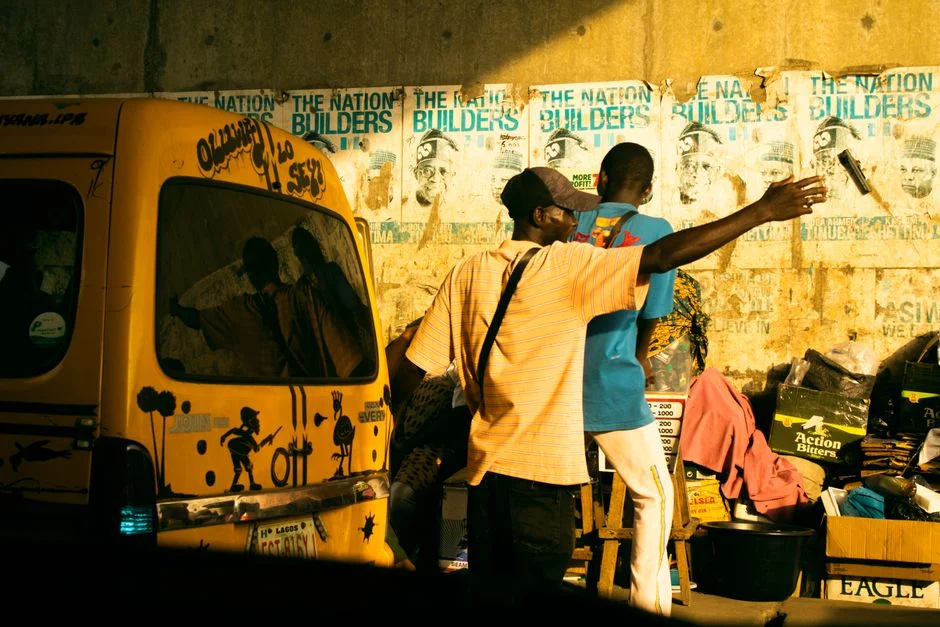
African Development Bank President Akinwumi Adesina announced that Africa possesses $1.3 trillion in assets that can be mobilised to finance its growth. This urgent call to action comes as many nations on the continent struggle with economic challenges exacerbated by external pressures. His remarks were made at a summit in Abidjan, Ivory Coast, on the 20th of October 2023, highlighting a pressing need for investment across sectors to spur development.
The Current Economic Landscape
Many African nations face a dual crisis of food insecurity and inflation, with the African Development Bank estimating that 28 million people will slip into extreme poverty in the next year alone if immediate action is not taken. Citizens in countries like Nigeria, where inflation rates reached 22.8% in September 2023, are feeling the pinch as prices for basic goods soar.
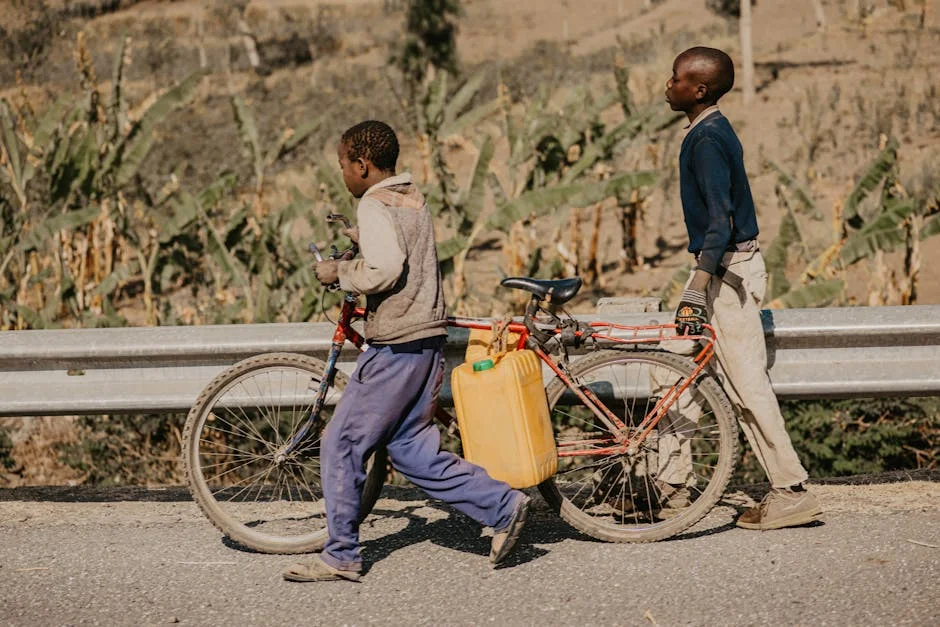
The situation is particularly dire in rural areas, where the reliance on agriculture makes communities especially vulnerable. Farmers are unable to access the financing needed to improve yields, leading to increased hunger and diminished economic prospects.
Capital Mobilisation: A Key to Growth
Adesina stressed that unlocking this $1.3 trillion capital requires cooperation between governments, financial institutions, and private investors. He pointed out that less than 20% of African GDP is currently mobilised for development purposes, a statistic that highlights the potential for significant growth if this capital is put to work effectively.
With infrastructure desperately needing investment, including roads and energy, the effects of mobilising funds would not only enhance local economies but improve daily life for millions. Improved transportation networks could ease supply chain issues and bring prices down for consumers.
Community Response and Involvement
Local governments and community organisations are increasingly aware of the need for involvement. In Nigeria's Lagos State, grassroots initiatives have started to promote financial literacy, helping locals understand how they can access capital for small and medium-sized enterprises (SMEs). According to a recent survey, about 60% of Nigerians believe that supporting local businesses is crucial for economic recovery.
Community leader Fatima Bello noted that access to funding is the most significant barrier for many small entrepreneurs. She urged both the government and banks to create more accessible pathways for obtaining loans to stimulate local economies.
International Interest and Support
International institutions are taking note of Africa's capital potential. Recent reports indicate that foreign investments in Africa surged to $41 billion in 2022, up from $30 billion in 2021. This upward trend has sparked interest in financial sectors keen to help harness these funds for development.
The African Development Bank confirmed they are in discussions with international investors to create opportunities that align global investment with local needs. This approach could mean improved infrastructure and job creation, ultimately transforming local economies.
Challenges Ahead
While the potential is vast, obstacles remain. Political instability in various regions continues to deter investment, and many countries lack the infrastructural capacity to utilise new funding effectively. These challenges have raised concerns about whether Africa can genuinely capitalise on the assets it holds.
Adesina warned that without a strategic plan, the mobilised capital could fail to reach those who need it most. He called for a united front among African leaders to develop a cohesive strategy that prioritises sustainable and inclusive growth.
The Way Forward: What to Watch
Looking ahead, the African Development Bank plans to hold a follow-up summit in early 2024 to discuss actionable strategies for capital mobilization. This event will likely draw attention from various stakeholders, including governments, investors, and civil society.
For citizens, the focus will be on whether local governments can turn promises into reality. With critical investments on the horizon, communities should prepare to advocate for their needs and ensure that the capital serves to enhance their daily lives.
See Also
- Trump Deports 15 Migrants to Congo — What Nigeria Must Watch
- SA Weather Service Warns of Severe Eastern Cape Cold and Rain
Recent reports indicate that foreign investments in Africa surged to $41 billion in 2022, up from $30 billion in 2021. This upward trend has sparked interest in financial sectors keen to help harness these funds for development.The African Development Bank confirmed they are in discussions with international investors to create opportunities that align global investment with local needs.
What is the latest news about african development bank urges continent to mobilise 13 trillion capital for growth?
Why does this matter for infrastructure-cities?
What are the key facts about african development bank urges continent to mobilise 13 trillion capital for growth?