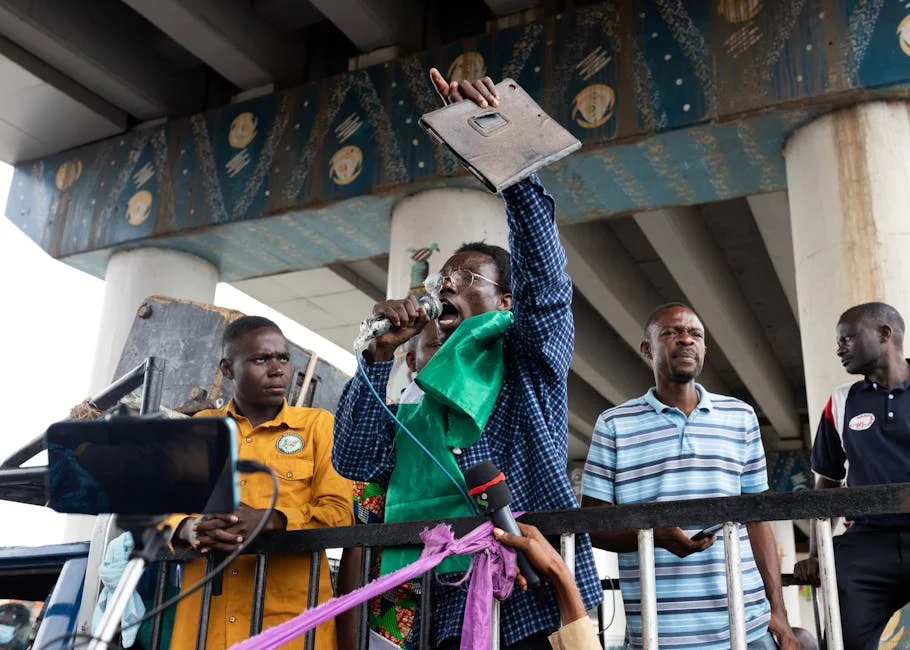
Aisha Bio, Sierra Leone's First Lady, has emerged as a beacon of hope for many girls in the country following her personal story of escaping child marriage. Bio, who once described her experience as being akin to an 'old pervert,' has transformed her past trauma into a mission to combat the societal norms that perpetuate such practices. Since her husband, President Julius Maada Bio, took office in 2018, she has been active in advocating for the rights and welfare of women and girls across Sierra Leone.
Addressing Child Marriage in Sierra Leone
According to a 2021 report by the United Nations Children's Fund (UNICEF), Sierra Leone has one of the highest rates of child marriage in the world, with 39% of girls married before the age of 18. Bio's initiatives, including her focus on education and empowerment, aim to reduce these alarming statistics. In her efforts, she has partnered with various NGOs to launch campaigns aimed at raising awareness and providing support to at-risk girls.
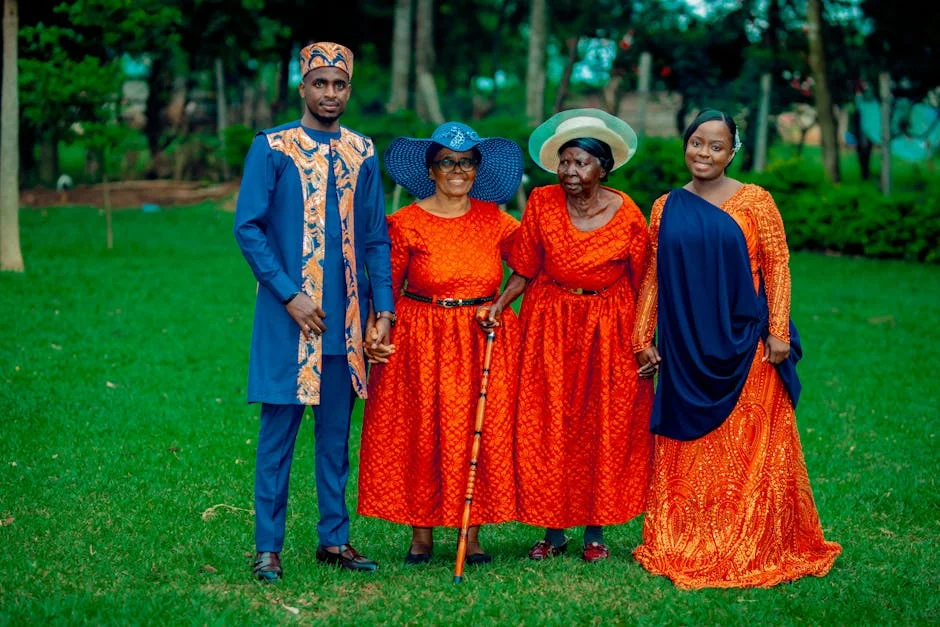
Bio's advocacy has resonated deeply with local communities, where child marriage is often viewed as an acceptable practice. Her story of survival has not only shed light on the issue but has also encouraged many families to reconsider their views on marrying off young daughters. As she publicly shares her journey, citizens are more inclined to join the fight against child marriage.
A Grassroots Movement for Change
In her role as First Lady, Aisha Bio has initiated a grassroots movement that includes the involvement of local leaders, fathers, and community members. Together, they are working to create a supportive environment for young girls. The First Lady has held numerous workshops and forums, aimed at educating communities about the legal implications of child marriage and the benefits of education for young girls.
Local leaders have reported a growing interest in these programs, with some parents even pledging to keep their daughters in school rather than marrying them off. This change in mindset is critical; schools have become a haven for many girls, providing not just education but also a safe space away from early marriage.
Impact on Sierra Leone's Socio-Economic Landscape
The impact of Aisha Bio's initiatives is anticipated to extend beyond individual families to the broader socio-economic landscape of Sierra Leone. By keeping girls in school, the country could experience a significant boost in its economic development. Educating girls is linked to higher incomes and improved societal health outcomes. Reports indicate that for every year a girl remains in school, her future earnings can increase by up to 20%.
As Sierra Leone strives to rebuild its economy after years of civil conflict, the empowerment of women and girls could be a vital component of national recovery efforts. Local businesses are starting to see the potential in investing in young women, anticipating a future workforce that is both skilled and educated.
Challenges Ahead
Despite these positive strides, challenges remain. Traditional norms and practices are deeply entrenched in many communities, making it difficult for change to occur overnight. The First Lady's efforts have met resistance from some quarters, where patriarchal attitudes prevail. Moreover, the ongoing socio-economic issues, exacerbated by the COVID-19 pandemic, have made it difficult for families to prioritise education over immediate financial needs.
In light of these challenges, Bio has called for a multi-sectoral approach to end child marriage, urging government authorities and civil society to collaborate closely. She believes that lasting change requires not only grassroots movements but also strong political will and commitment from local and national leaders.
A Future Full of Hope
Aisha Bio remains committed to her mission and is set to launch an awareness campaign next month, targeting rural areas where child marriage is most prevalent. This campaign aims to educate parents and guardians about the dangers of early marriage and the importance of girls' education.
As she continues her advocacy, communities will be watching closely, hoping for a shift in societal views and a future where every girl in Sierra Leone can pursue her dreams without the constraints of child marriage. The eyes of neighbouring countries, including Nigeria, are also keenly observing these developments, as the implications could resonate across the region.
See Also
- Africa Turns to Yuan — What It Means for Your Naira
- South Africa Airport Rules Expose What Travelers Lose at Security
Reports indicate that for every year a girl remains in school, her future earnings can increase by up to 20%.As Sierra Leone strives to rebuild its economy after years of civil conflict, the empowerment of women and girls could be a vital component of national recovery efforts. This campaign aims to educate parents and guardians about the dangers of early marriage and the importance of girls' education.