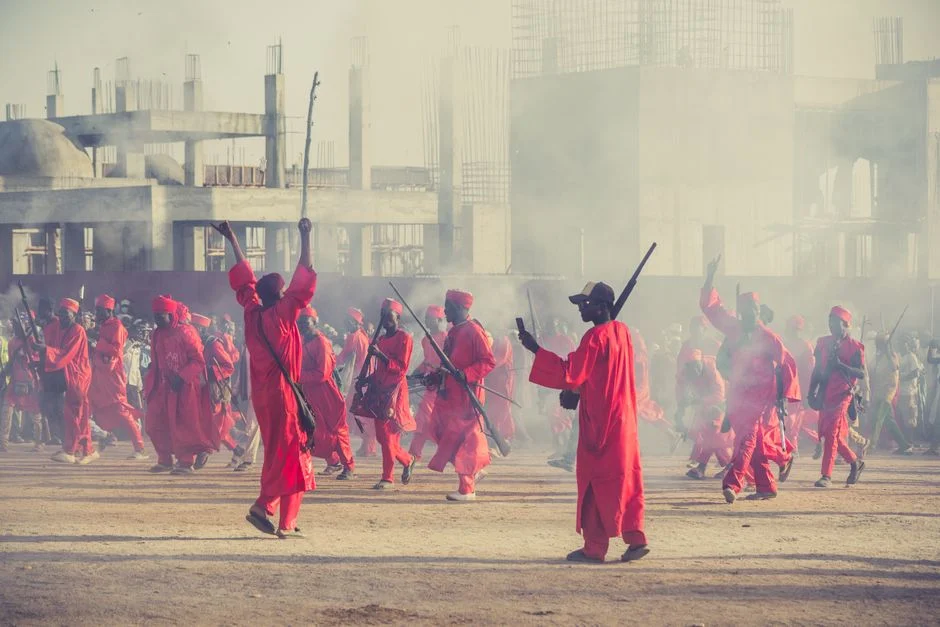
On International Peacekeepers Day, India reaffirmed its unwavering commitment to United Nations peacekeeping missions, stressing the need for global cooperation in promoting peace and security. This declaration, made on the 29th of May, comes at a time when ongoing conflicts in various regions demand a robust international response.
Nigeria’s Engagement in Peacekeeping Missions
Nigeria has been an active participant in UN peacekeeping efforts. Currently, the country contributes around 3,000 troops to missions across several regions, including Africa and the Middle East. The training and deployment of these peacekeepers not only serve international peace but also bring home valuable skills and resources beneficial to local communities.
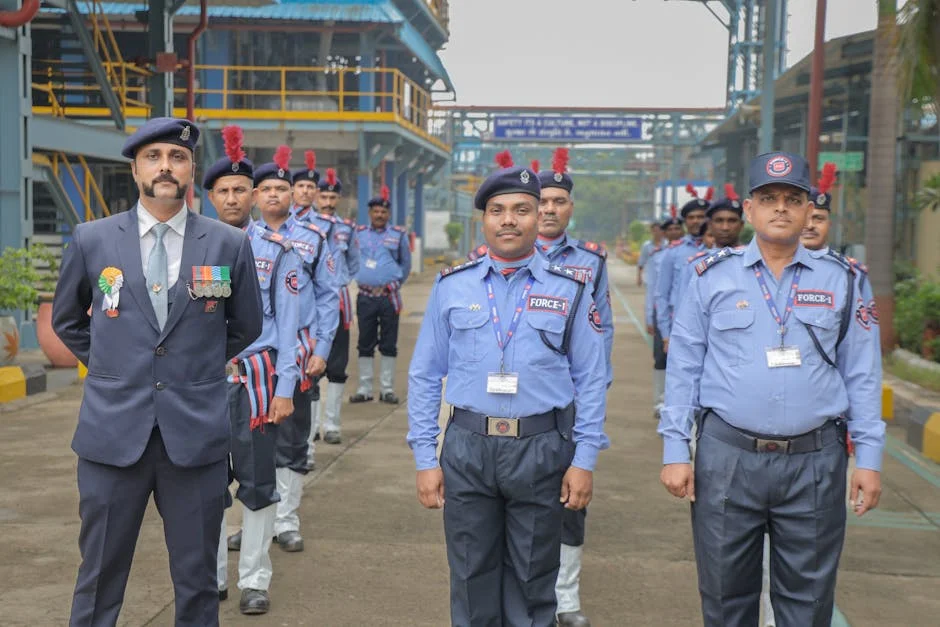
With Nigeria experiencing its own security challenges, such as Boko Haram insurgency and communal conflicts, the involvement in peacekeeping missions provides a unique perspective. The skills acquired by Nigerian soldiers overseas can be adapted and utilised in local conflict resolution efforts. This reflects how international engagements can directly impact domestic security strategies.
International Peacekeepers Day: Significance and Activities
The observance of International Peacekeepers Day serves to honour the sacrifices made by peacekeepers around the world. This year, the theme centred on the critical role of women in peacekeeping, highlighting the need for gender inclusivity. Events celebrating this day took place worldwide, with a focus on raising awareness about the ongoing challenges faced by peacekeepers.
In Nigeria, various civil society groups organised discussions about the contributions of local peacekeeping forces. These events brought together military personnel, government representatives, and community leaders to discuss the effectiveness of peacekeeping operations and their implications for local communities.
India’s Leadership Role in Peacekeeping
India has positioned itself as one of the largest contributors to UN peacekeeping, with over 200,000 Indian troops having served in various missions since 1948. The country’s extensive experience and commitment were emphasised by Defence Minister Rajnath Singh during the celebrations. He stated that India is ready to contribute more, particularly in regions facing escalating conflicts.
This leadership role reinforces India's diplomatic standing on the global stage. By actively participating in peacekeeping, India addresses security concerns that can have ripple effects, including influencing migration patterns and economic stability in regions vulnerable to conflict.
Local Economic Impact of Peacekeeping
Engagement in international peacekeeping missions offers potential economic benefits for countries like Nigeria. The funding from UN peacekeeping operations can stimulate local economies. For instance, the contracts awarded to local businesses for supplying goods and services to peacekeeping missions foster job creation.
Additionally, returning peacekeepers bring back skills that can be applied in various sectors, further enhancing local economies. By participating in these missions, countries can leverage international support to bolster domestic economic resilience.
Community Response and Support
Communities across Nigeria express mixed feelings towards peacekeeping missions. While many acknowledge the importance of international support, others raise concerns about the lack of immediate benefits. Local leaders have called for more transparency about how contributions to international missions translate into local security improvements.
In response, the Nigerian government has promised to increase community outreach efforts, ensuring that the benefits of participating in peacekeeping missions are communicated effectively. This is crucial in building public support for continued involvement in international peacekeeping.
Looking Ahead: Future of Peacekeeping Initiatives
As global conflicts continue to evolve, the role of peacekeeping missions will become increasingly vital. Countries like India and Nigeria must adapt their strategies to new challenges, including cyber threats and humanitarian crises. Upcoming international dialogues in the next few months will focus on enhancing the effectiveness of peacekeeping forces and the integration of technology in missions.
The outcome of these discussions may reshape the landscape of peacekeeping, with implications for local communities reliant on international stability. Stakeholders will need to monitor developments closely, as these decisions will directly impact Nigeria's ongoing security challenges and its role in global peacekeeping efforts.
See Also
- Nigeria's Tech Surge Fuels African Innovation — Local Startups Thrive
- African Leaders Warn Urbanisation Fuels Climate Crisis at World Urban Forum
What is the latest news about india affirms strong support for un peacekeeping as global conflicts rise?
Why does this matter for environment-nature?
What are the key facts about india affirms strong support for un peacekeeping as global conflicts rise?