The African Development Bank's (AfDB) 2025 Trade Finance Report, released in Lagos on October 15, 2023, highlights the resilience of African financial systems following the devastating impacts of Covid-19. As nations across the continent strive for economic recovery, the report underscores a remarkable surge in trade finance availability, crucial for fostering local businesses in the aftermath of the pandemic.
Recovery Statistics Show Positive Trends
According to the AfDB, trade finance in Africa has increased by 25% since 2020, reaching an estimated $170 billion. This growth reflects a renewed confidence among financial institutions and businesses alike. The report notes that countries like Nigeria saw a significant boost in trade activities, particularly in agricultural sectors, which are vital for local employment.
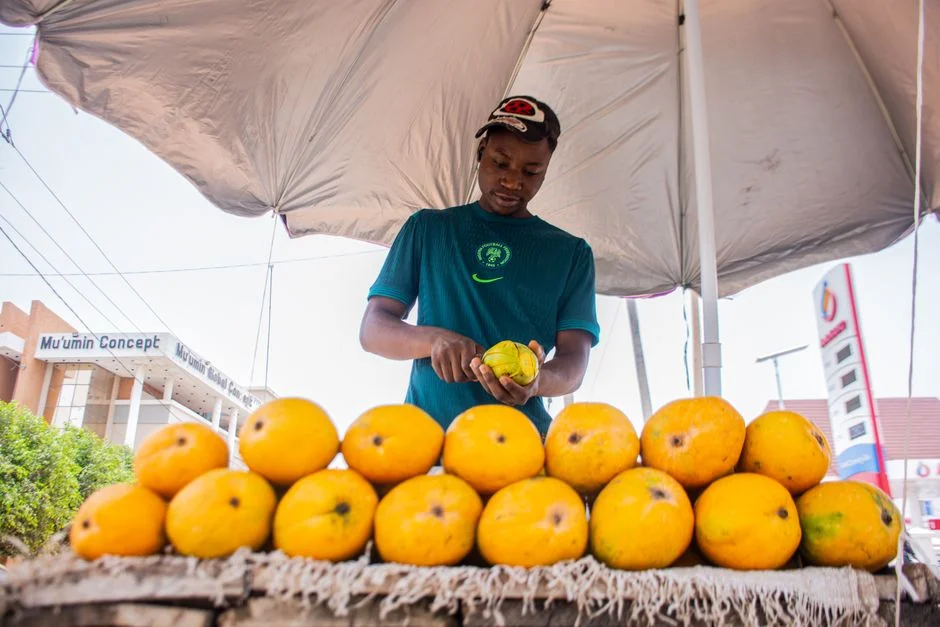
This increase in trade finance is pivotal as it enables businesses to secure the funds necessary for purchasing goods, expanding operations, and investing in new projects. With the demand for exports rising, local farmers and manufacturers stand to gain from improved access to finance.
Impact on Daily Life for Nigerians
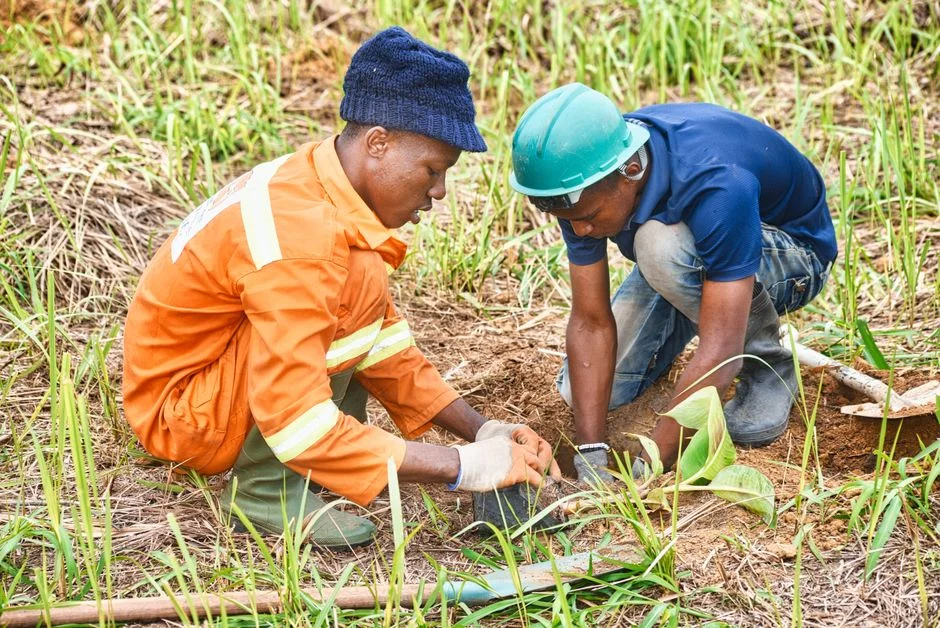
The report's findings have direct implications for Nigerian citizens, particularly in rural areas where agriculture plays a central role in daily life. Farmers in regions like Kano and Kaduna now have better access to credit, allowing them to purchase seeds, fertilisers, and equipment. This ripple effect can lead to increased productivity and food security.
Moreover, the affordability of goods in local markets may improve as businesses expand their operations, contributing to lower prices for consumers. This development is essential for low-income households that have struggled with rising costs during the pandemic.
Community Responses and Economic Initiatives
Community leaders in Nigeria have begun to mobilise resources to take advantage of the new financial landscape. Initiatives such as cooperative farming schemes are gaining traction as farmers band together to secure larger loans through collective bargaining. This strategy not only increases their negotiating power but also fosters a sense of community ownership.
Additionally, the AfDB is working with local governments to facilitate workshops aimed at educating entrepreneurs on how to navigate the trade finance landscape effectively. These educational initiatives are crucial for ensuring that small and medium-sized enterprises (SMEs) benefit from the available financial resources.
Challenges Ahead in Sustainable Growth
While the report offers a positive outlook, it also highlights challenges that may hinder sustainable growth. Concerns over inflation and supply chain disruptions remain prevalent as the global economy adjusts post-Covid. The report warns that without addressing these issues, the momentum gained in trade finance could stall.
Furthermore, the ongoing conflict in certain regions, combined with climate change impacts, poses risks to agricultural production and trade. Communities must be prepared to adapt to these challenges to maintain economic stability.
The Role of the African Development Bank
The AfDB continues to play a critical role in shaping the economic trajectory of African nations. By providing targeted funding and support, the bank aims to strengthen the trade finance sector further and encourage intra-African trade. President Akinwumi Adesina stated that empowering local businesses is key to achieving broader economic resilience.
He urged governments to streamline regulations and promote a more favourable business environment, which is essential for attracting further investment.
Looking Ahead: What to Watch
The coming months will be crucial for the continuous recovery of the African economy. Stakeholders will need to monitor the implementation of financial strategies and the effectiveness of government partnerships with institutions like the AfDB. The upcoming regional trade summit in November will be a significant opportunity to discuss cooperative policies and trade agreements designed to bolster economic ties.
For Nigerians and other Africans, the outcomes of these discussions will determine whether the positive trends highlighted in the 2025 Trade Finance Report translate into tangible benefits for their communities.
Frequently Asked Questions
What is the latest news about african development bank reveals resilience in finance postcovid19 crisis?
The African Development Bank's (AfDB) 2025 Trade Finance Report, released in Lagos on October 15, 2023, highlights the resilience of African financial systems following the devastating impacts of Covid-19.
Why does this matter for agriculture-food?
This growth reflects a renewed confidence among financial institutions and businesses alike.
What are the key facts about african development bank reveals resilience in finance postcovid19 crisis?
With the demand for exports rising, local farmers and manufacturers stand to gain from improved access to finance.Impact on Daily Life for NigeriansThe report's findings have direct implications for Nigerian citizens, particularly in rural areas wher
The upcoming regional trade summit in November will be a significant opportunity to discuss cooperative policies and trade agreements designed to bolster economic ties.For Nigerians and other Africans, the outcomes of these discussions will determine whether the positive trends highlighted in the 2025 Trade Finance Report translate into tangible benefits for their communities. These educational initiatives are crucial for ensuring that small and medium-sized enterprises (SMEs) benefit from the available financial resources.Challenges Ahead in Sustainable GrowthWhile the report offers a positive outlook, it also highlights challenges that may hinder sustainable growth.