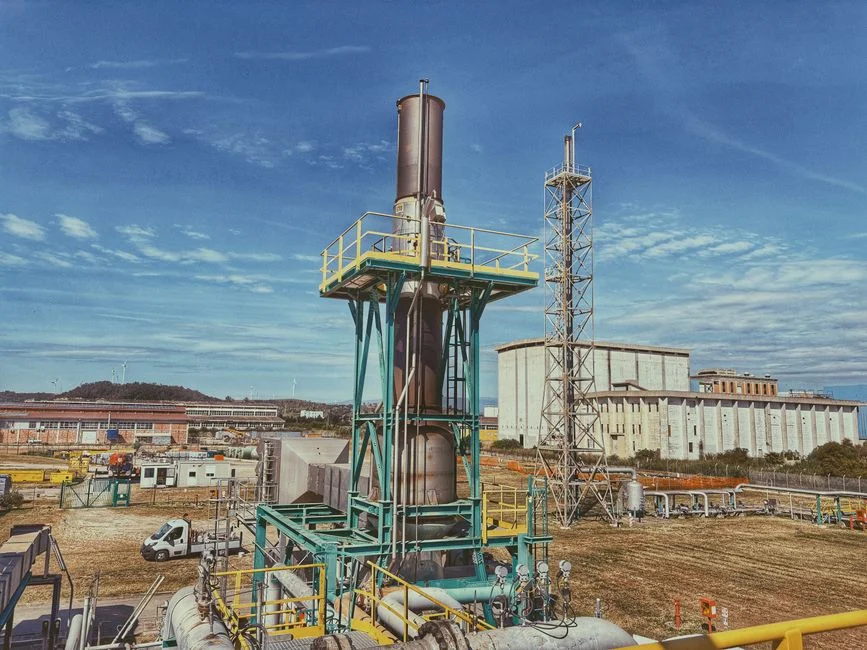
A Nigerian environmental scientist is leading an innovative in-situ remediation project designed to address oil spill contamination across the Niger Delta, with local communities watching closely as the initiative enters its early implementation phase.
Project Launches in Oil-Contaminated Region
The in-situ remediation project officially began operations in select areas of the Niger Delta, where decades of oil exploration have left lasting environmental damage. Unlike conventional cleanup methods that require excavating contaminated soil, in-situ treatment applies solutions directly to affected ground, targeting pollutants while leaving the ecosystem largely undisturbed.
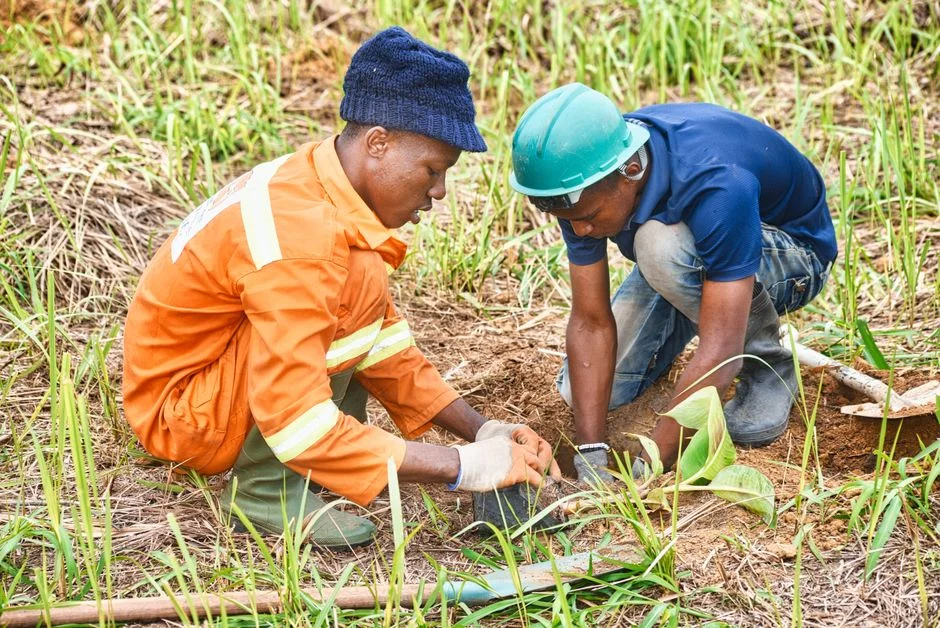
Scientists involved in the project say the approach could significantly reduce the time required to restore contaminated sites. Traditional methods often take years to show results, while in-situ techniques may accelerate the natural breakdown of hydrocarbons in the soil.
How In-Situ Remediation Works
The technique involves injecting or applying specialized agents into contaminated soil and groundwater. These agents stimulate natural microbial activity that breaks down oil compounds into less harmful substances. The process can be tailored to different soil types and contamination levels, making it adaptable across the diverse terrain of the Niger Delta.
The project team has identified several pilot sites where initial results could inform broader deployment. Researchers are monitoring groundwater quality at these locations to measure the effectiveness of the treatment over time.
Advantages Over Traditional Methods
Traditional oil spill cleanup often requires removing thousands of tonnes of contaminated soil for off-site treatment. This process disrupts local ecosystems, generates significant waste, and can take years to complete. In-situ remediation avoids these drawbacks by treating contamination where it exists, reducing the need for extensive excavation and transportation of hazardous materials.
Community Concerns Persist
For residents of the Niger Delta, oil spills are not an abstract environmental issue. Fishing communities along the coast have reported declining catches in areas affected by repeated contamination. Agricultural land near oil infrastructure has become unusable in some locations, forcing families to relocate or abandon traditional livelihoods.
Local advocacy groups have welcomed the new project while calling for transparency about its progress. Community leaders in affected villages say they need clear information about which areas will be treated first and what timeline residents should expect for recovery.
Regulatory Oversight and Standards
The project operates under guidelines set by Nigerian environmental regulators, who have increased scrutiny of oil industry practices in recent years. The Ministry of Petroleum Resources has acknowledged the need for more effective remediation approaches as part of broader reform efforts in the sector.
International environmental standards have also influenced the design of the project. Scientists involved say they are applying methods that have shown success in similar contaminated sites across West Africa, adapting techniques to local conditions.
Oil Industry Role and Funding
Oil companies operating in the Niger Delta face ongoing pressure to address historical contamination. The current project represents one approach among several industry-funded or mandated cleanup efforts underway in the region. Companies have faced legal action from communities seeking compensation for environmental damage, creating financial incentives to demonstrate meaningful remediation progress.
What Comes Next
The project team plans to publish initial monitoring data within the coming months, which will allow independent assessment of early results. If the pilot phase shows promise, the approach could be expanded to cover additional sites across the delta.
Residents and advocacy groups say they will be watching the monitoring reports closely. The gap between promised remediation and actual environmental recovery has fueled scepticism in the past, making transparent data-sharing essential for building public trust in whatever results emerge from this initiative.
See Also
- South African Farmers Face Tariff Pressure as Agricultural Sector Reels from Economic Shocks
- NNPP Demands INEC Compliance — Your Vote Hangs in the Balance