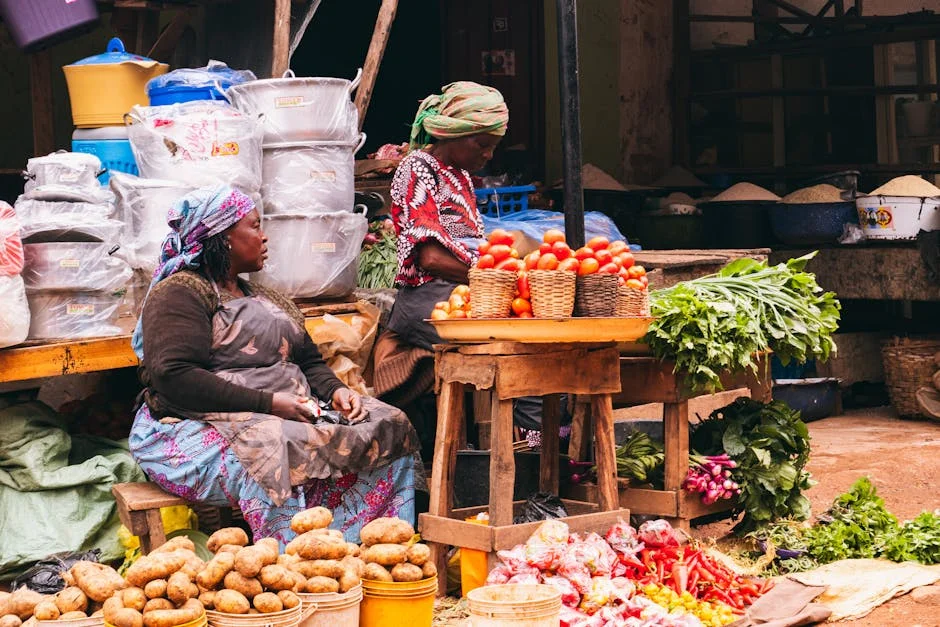
Ethiopia is set to hold its national elections on June 15, 2024, against a backdrop of rising geopolitical tensions in the Horn of Africa. As the country prepares to vote, citizens are concerned about how these rivalries might impact their daily lives and community stability.
Impact of Geopolitical Rivalries
The Horn of Africa is witnessing heightened competition among regional powers, particularly between Ethiopia and its neighbours. This rivalry often spills over into local politics, affecting services and security for ordinary citizens. Ethiopian Prime Minister Abiy Ahmed's administration faces challenges from both domestic and foreign adversaries, including volatile relationships with Sudan and Eritrea.
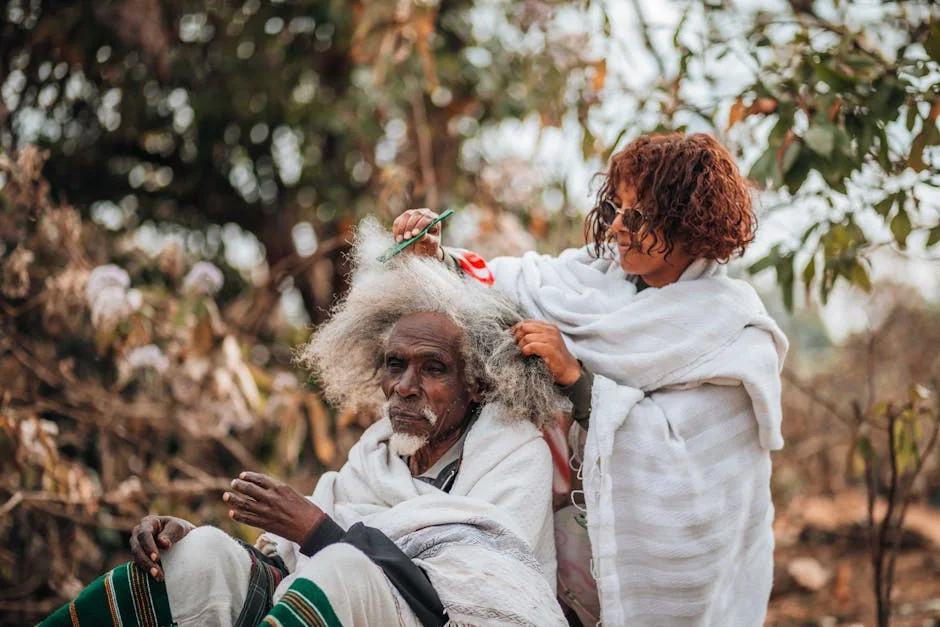
Moreover, the ongoing tensions around the Grand Ethiopian Renaissance Dam (GERD) have not only strained Ethiopia's relations with Egypt and Sudan but have also led to significant internal divisions. This geopolitical landscape raises questions about the effectiveness of democratic processes in an environment where external influences loom large.
Socioeconomic Concerns Ahead of the Elections
As Ethiopians prepare to cast their votes, many are worried about pressing issues such as inflation and unemployment. Over the past year, inflation has surged to 38%, making basic necessities increasingly unaffordable for many families. Citizens are demanding improvements in economic conditions as they head to the polls.
The upcoming elections present a crucial opportunity for the Abiy administration to address these economic grievances. If the government fails to show progress in addressing citizens' concerns, it may face backlash from a frustrated electorate seeking change.
Community Mobilisation and Responses
Civic groups within Ethiopia are working to mobilise voters and ensure a transparent election process. Organisations like the Ethiopian Citizens for Social Justice are advocating for greater electoral integrity and urging citizens to participate actively in the democratic process. Their efforts aim to educate voters about the importance of their role in shaping the country's future.
This grassroots engagement is crucial in a country where political apathy can be prevalent. By fostering a sense of civic duty, these groups hope to empower communities and encourage meaningful participation in the elections.
International Reactions and Involvement
The upcoming elections are drawing attention not only within Ethiopia but also from international players. Countries in the Gulf region have increased their involvement in Horn affairs, often supporting different factions within Ethiopia. Their activities could influence the election's outcome and the broader political landscape.
For instance, recent news indicates that the Gulf States are investing in infrastructure projects in Ethiopia, which could change the economic dynamics significantly. However, this engagement also raises concerns about external manipulation of the electoral process and its potential impacts on sovereignty.
Local Impacts of Election Outcomes
As Ethiopia approaches its elections, the potential outcomes could have wide-reaching implications for everyday life in various regions. Local businesses are already adjusting to the uncertain economic climate and may suffer from disruptions during and after the voting period.
A peaceful election is vital for maintaining stability, but fears of unrest are prevalent. If tensions flare post-election, communities could face serious disruptions, ranging from economic downturns to violence, impacting social cohesion.
What to Watch After the Polls
In the wake of the elections, all eyes will be on how the government responds to the results. Continued economic challenges and regional tensions may push the new administration to adopt more conciliatory policies or provoke further unrest among disaffected communities.
As June 15 approaches, citizens and observers alike will be watching closely for both election outcomes and the government’s immediate reactions. The implications of these developments could shape not only Ethiopia’s future but also the stability of the entire Horn of Africa region.
See Also
- Bradley Cross Exposes Controversial Views on Trump, Halts Bafana Participation
- Former Nigeria’s Chief Of Army Staff Chris Alli Passes On