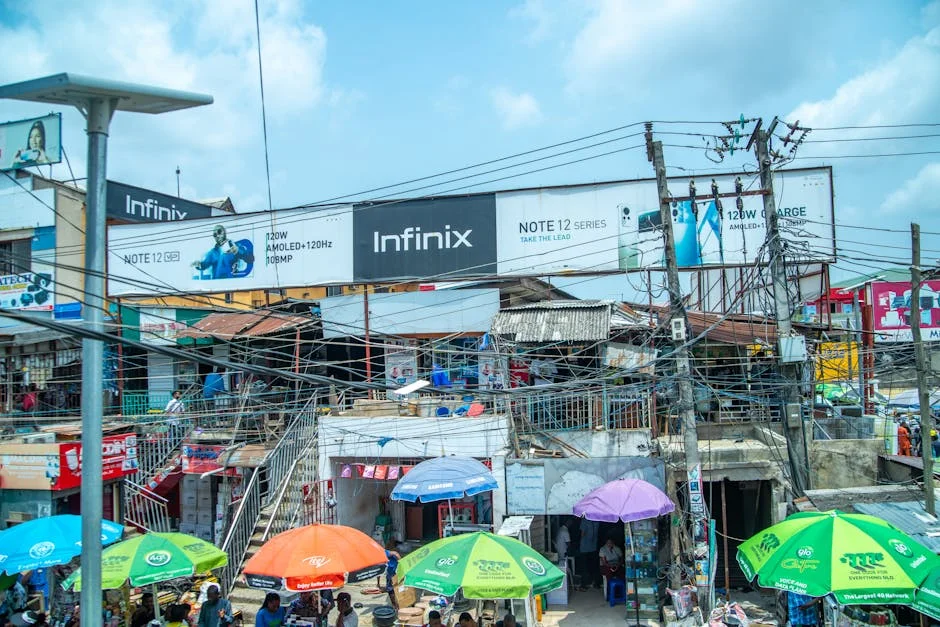
The African Development Bank (AfDB) announced that Nigeria's economy is expected to grow by 4.1% in 2024, despite ongoing inflationary pressures plaguing businesses and households. This forecast comes at a critical time as citizens face rising prices on basic goods and services. The report was unveiled during the AfDB's annual meeting in Accra, Ghana, highlighting the resilience of Nigeria's economy amidst numerous challenges.
Understanding the Inflation Challenge
Nigeria has faced soaring inflation rates, reaching 22.79% in September 2023, according to the National Bureau of Statistics. This inflation is largely driven by increases in food prices and energy costs, making daily life increasingly difficult for many Nigerians. As staples like rice and maize continue to rise, families are feeling the financial strain in their budgets.
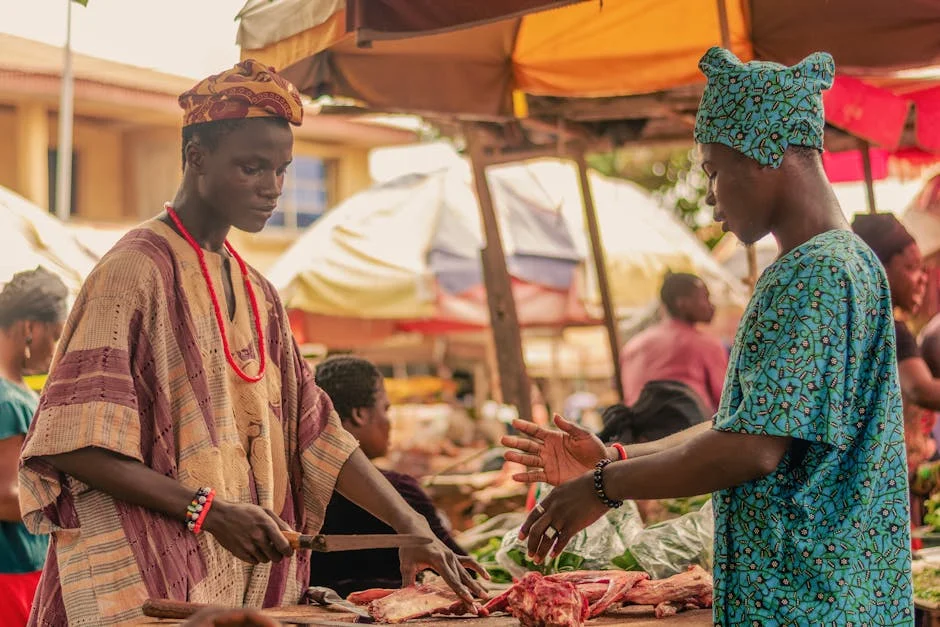
In urban centres like Lagos, the impact is palpable, with street vendors reporting decreased sales as consumers tighten their spending. The rising cost of living has forced many families to make difficult choices, prioritising essential items over discretionary expenses.
AfDB's Role and Its Impact on Nigeria
The AfDB’s predictions rely on several ongoing economic reforms in Nigeria, including efforts to stabilise the currency and attract foreign investment. President Bola Ahmed Tinubu's administration has implemented policies aimed at enhancing economic performance, which are expected to bear fruit in the coming years.
With the AfDB's backing, Nigeria is set to benefit from financial support in critical sectors such as infrastructure and agriculture, which could bolster job creation and improve living standards. The bank's support may also help to alleviate some of the inflationary pressures by enhancing productivity and reducing supply chain bottlenecks.
Community Responses to Economic Changes
Local communities are adapting to the economic forecast with cautious optimism. In rural areas, farmers are looking forward to improved irrigation projects funded by the AfDB, which could lead to better crop yields. However, they remain wary of how inflation will affect their purchasing power and ability to invest in seeds and equipment.
Community leaders are urging residents to support local economies by purchasing locally produced goods, thereby reducing reliance on imported items that have become more expensive due to currency fluctuations. This grassroots approach aims to counteract the adverse effects of inflation while promoting sustainable growth.
Looking Ahead: What Residents Should Watch For
As the Nigerian economy shows potential for growth, citizens should closely monitor governmental policies aimed at stabilising the market. The Central Bank of Nigeria is expected to announce new measures aimed at controlling inflation, which could significantly impact everyday prices.
The upcoming national budget will also be crucial, as it will outline new funding allocations and prioritise sectors that require urgent attention. Residents are encouraged to engage in community discussions and stay informed about how these economic shifts will affect their daily lives.
Conclusion: Navigating a Changing Economic Landscape
While the AfDB's optimistic outlook provides some hope, the challenge of inflation remains a pressing issue for many Nigerians. Individual and community responses will be vital in navigating these economic changes. As the situation evolves, staying informed and proactive will be key for citizens aiming to secure their livelihoods in an uncertain economic climate.
See Also
- Ian Huntley dies in prison attack: what this means for child safety reforms
- Wall Street Ends Red Again, S&P 500 Down Since War Began
The Central Bank of Nigeria is expected to announce new measures aimed at controlling inflation, which could significantly impact everyday prices.The upcoming national budget will also be crucial, as it will outline new funding allocations and prioritise sectors that require urgent attention. However, they remain wary of how inflation will affect their purchasing power and ability to invest in seeds and equipment.Community leaders are urging residents to support local economies by purchasing locally produced goods, thereby reducing reliance on imported items that have become more expensive due to currency fluctuations.
What is the latest news about african development bank predicts nigerias economy will surge 41 despite inflation?
Why does this matter for economy-business?
What are the key facts about african development bank predicts nigerias economy will surge 41 despite inflation?