During the African Development Bank (AfDB) annual meetings held in Abidjan, Côte d'Ivoire, from May 22 to May 26, 2023, leaders from across the continent articulated a robust call for greater economic sovereignty. More than 3,000 delegates, including heads of state, ministers, and business leaders, converged to discuss strategies that aim to enhance Africa's self-reliance amid global economic challenges.
A Stronger Economic Future for Africa
At the core of the discussions was a determination to mitigate the continent's dependence on foreign aid and external economic influences. African Union Chair and Senegalese President Macky Sall stated, "We need to reclaim our right to shape our destiny and leverage our natural resources for our people." This sentiment resonated strongly among participants, many of whom expressed urgency for immediate action.
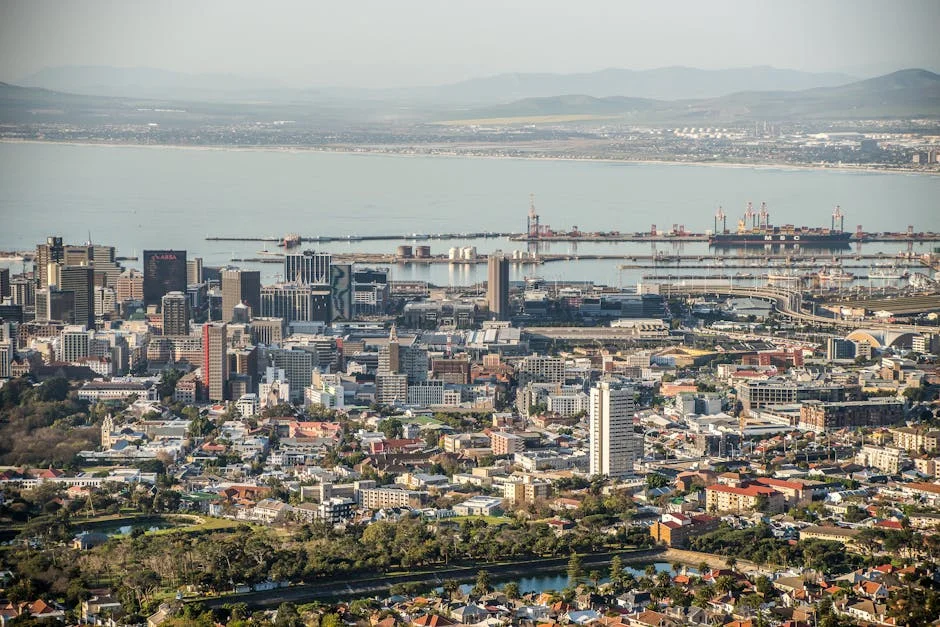
One key outcome from the meeting was the establishment of the African Economic Sovereignty Fund, which aims to mobilise $10 billion in investments to support local industries and infrastructure development. Leaders believe this fund will provide critical financial backing for projects that can stimulate job creation and economic growth across various sectors.
Impact on Local Communities
The push for economic sovereignty directly impacts citizens and communities. As funding becomes available for local initiatives, citizens can expect potential improvements in job opportunities and access to essential services. In Nigeria, for instance, a focus on local production could lead to reduced unemployment rates, which currently stand at 33.3% according to the National Bureau of Statistics.
Moreover, initiatives to strengthen local food production may help reduce food prices, a pressing concern for many households. With inflation rates soaring, particularly for basic commodities, these developments could provide immediate relief to families struggling to make ends meet.
Private Sector’s Role
The private sector was highlighted as a pivotal player in achieving the economic sovereignty goal. Notably, Akinwumi Adesina, the President of the AfDB, noted, "We need to harness the power of African businesses to drive our economic agenda forward." This includes fostering partnerships between governments and local enterprises to build resilient supply chains.
Delegates advocated for policies that encourage investment in technology and innovation, which are crucial for creating efficient local production systems. For instance, companies specializing in agricultural technology stand to benefit from funding and support aimed at improving local farming practices.
Community Response and Future Outlook
Community leaders across the continent are optimistic about the outcomes of the AfDB meetings. In Tanzania, community organiser Fatuma Mwakyembe expressed hope, stating, "With the right resources and support, we can transform our local economies and reduce the burdens we face daily."
As momentum builds around these initiatives, citizens are encouraged to engage with local governments and businesses to ensure their voices are heard in this economic transformation. The upcoming African Union Summit in July will be a key opportunity for further discussions and commitments towards economic sovereignty.
What to Watch Next
Looking ahead, the establishment of the African Economic Sovereignty Fund will be closely monitored to see how quickly it mobilises resources and supports local development. The outcomes of this initiative could set a precedent for how African countries approach economic independence in the coming years.
Additionally, citizens should watch for updates from their respective governments regarding policies enacted to bolster local economies, with a particular focus on agricultural and industrial investments. The commitment shown at these AfDB meetings could pave the way for a new chapter in Africa's economic landscape.
See Also
- Atletismo Virtus Soars in Portugal: A Model for Inclusive Sports Growth
- Texas Driver Pleads Guilty to Killing 7-Year-Old Athena Strand