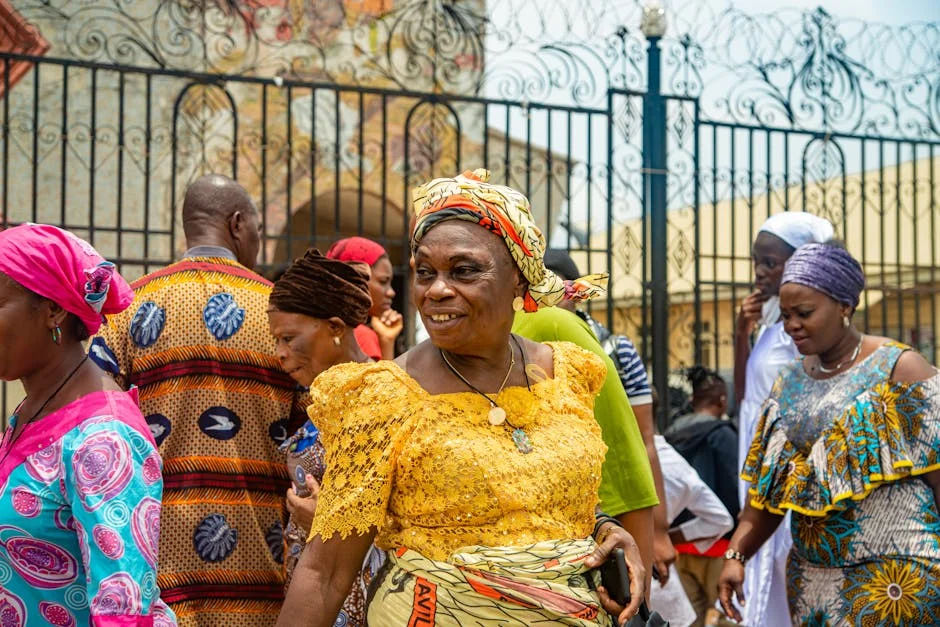
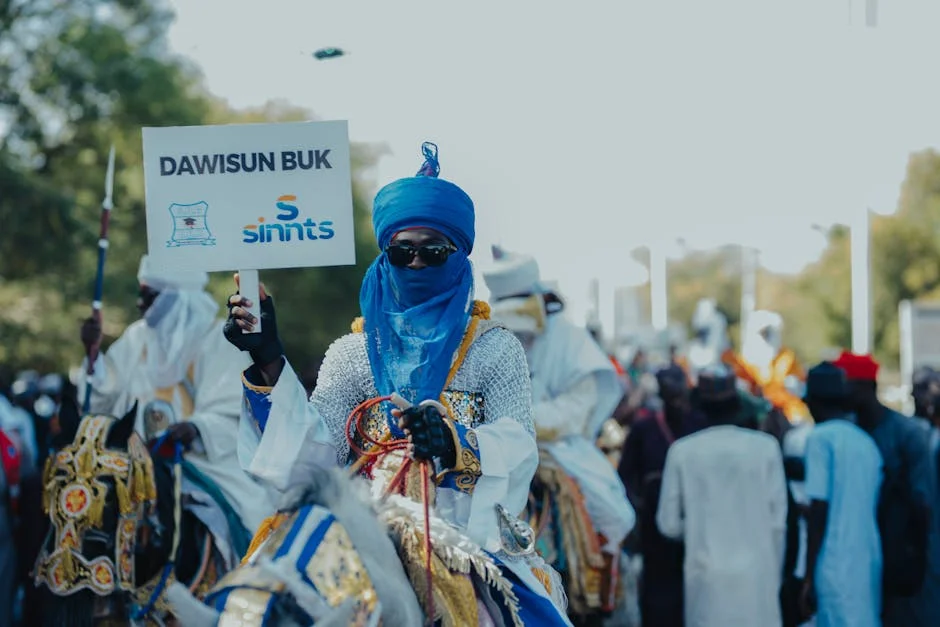
Political analyst Shina Abubakar Osogbo has issued a stark warning to the Yoruba nation, arguing that regional disunity threatens to dilute the potential benefits of President Bola Tinubu’s administration. Speaking in Osogbo, the heart of the Yoruba political landscape, Akande emphasized that fragmented leadership structures could leave the ethnic group playing catch-up in national resource allocation and policy influence.
The call for cohesion comes at a pivotal moment for the South-West region, which has long served as a primary engine for Nigeria’s economic growth. Citizens in states like Oyo, Lagos, and Ogun are increasingly looking toward Abuja for tangible returns on their political capital. The urgency of Akande’s message reflects a growing anxiety among ordinary Yoruba citizens who fear that internal squabbles may overshadow collective bargaining power.
Osogbo’s Call for Strategic Unity

Shina Abubakar Osogbo’s recent statements have sparked intense debate within political circles across the South-West. He argues that the Yoruba nation must move beyond traditional chieftaincy disputes and party affiliations to present a unified front. This approach, he suggests, is essential for leveraging the current administration’s policies to the region’s advantage. Without such unity, Akande warns, the Yoruba could find themselves marginalized in critical national decisions.
The commentary was delivered in Osogbo, a city that holds symbolic importance as the ancestral home of the Alafin of Oyo. By choosing this location, Akande underscored the deep historical roots of Yoruba political identity. His remarks were not merely theoretical but were grounded in the immediate realities facing the region. Residents in Osogbo and surrounding areas are already feeling the pressure of economic shifts, making the need for a coordinated political response more pressing.
Political observers note that the Yoruba have historically been a dominant force in Nigerian politics, yet internal divisions have often weakened their collective impact. Akande’s intervention seeks to correct this trend by advocating for a more strategic approach. He believes that the current political climate offers a unique window of opportunity for the region. Missing this window, he argues, could result in long-term economic and social setbacks for the Yoruba people.
Impact on Local Communities and Daily Life
The implications of political cohesion extend far beyond the corridors of power in Abuja and the state houses in the South-West. For the average citizen in Lagos or Ibadan, political unity translates directly into better infrastructure, improved healthcare, and more robust educational facilities. When the region speaks with one voice, it can demand greater attention to these critical sectors. Conversely, disunity often leads to a scattering of resources and a dilution of political pressure.
In markets across Oyo State, traders are already discussing how political decisions affect their daily livelihoods. The cost of living has risen sharply, and many feel that their representatives in the National Assembly have not been aggressive enough in securing funds for the region. Akande’s message resonates with these everyday concerns. He argues that political elites must prioritize the welfare of the common person over personal ambitions. This shift in focus, he believes, is necessary to restore trust in the political process.
Economic Consequences for the South-West
The economic landscape of the South-West is complex, with Lagos serving as the commercial nerve center of Nigeria. However, other states like Ogun and Ondo are also vital contributors to the national GDP. Akande points out that a unified regional strategy could help harmonize economic policies across these states. This harmonization would reduce bureaucratic hurdles for businesses and attract more foreign investment. For small and medium enterprises, this could mean easier access to credit and markets.
Furthermore, political cohesion can influence the distribution of federal allocations. The South-West often argues that it contributes more to the federal coffers than it receives in return. A united front could strengthen this argument during budget negotiations. Akande suggests that the Yoruba leaders should form a cohesive economic council to monitor these allocations. This body would ensure that funds are utilized effectively and that corruption is minimized. Such measures would directly benefit local economies and improve the standard of living for residents.
Political Dynamics and Party Allegiances
The South-West is currently dominated by the All Progressives Congress (APC), but the political landscape is not entirely static. Other parties are making inroads, and internal party dynamics can sometimes lead to fragmentation. Akande’s call for unity is not necessarily partisan but rather ethnic and regional in scope. He urges Yoruba leaders to look beyond party colors and focus on the broader interests of the ethnic group. This approach requires a high degree of political maturity and sacrifice.
President Bola Tinubu, a native of the Yoruba nation, has faced mixed reactions from his people. While some view him as a champion of Yoruba interests, others feel that his national agenda has sometimes overshadowed regional priorities. Akande’s comments can be seen as a gentle nudge to the President, suggesting that he should work more closely with regional leaders. This collaboration would ensure that the President’s policies are well-received and effectively implemented in the South-West. It would also help to solidify Tinubu’s base of support in his ancestral home.
Party leadership in the South-West must also reflect this spirit of unity. Internal elections and primary processes should be conducted with transparency and fairness to minimize post-election disputes. Akande argues that a divided party is a weak party, and the APC in the South-West cannot afford to be weak. By fostering a culture of inclusivity and consensus, party leaders can create a more stable political environment. This stability is crucial for attracting investment and ensuring social peace in the region.
Historical Context and Past Precedents
The Yoruba nation has a rich history of political organization, dating back to the pre-colonial era. The Oyo Empire, for instance, was a powerful political entity that demonstrated the strength of unity. In more recent times, the creation of the South-West geopolitical zone was a strategic move to consolidate Yoruba political power. However, this zone has faced challenges, including the emergence of new states and shifting demographic patterns. Understanding this history is essential for appreciating the current political discourse.
Past attempts at regional unity have had varying degrees of success. The South-Western State project, though ultimately aborted, showed the potential for a unified political structure. More recently, the South-West Governors’ Forum has played a role in coordinating state-level policies. However, Akande suggests that these efforts need to be intensified and broadened to include more stakeholders. This includes traditional rulers, private sector leaders, and civil society organizations. A multi-stakeholder approach would ensure that the regional agenda is comprehensive and inclusive.
Learning from past mistakes is crucial for future success. The Yoruba nation must avoid the trap of allowing personal rivalries to override collective interests. Akande’s message is a reminder that unity is not a one-time achievement but a continuous process. It requires constant effort, dialogue, and compromise. By learning from history, the Yoruba can build a more resilient and effective political structure. This structure would be better equipped to navigate the complexities of modern Nigerian politics.
Role of Traditional Institutions
Traditional rulers in the Yoruba land play a significant role in maintaining social cohesion and political stability. The Alafin of Oyo, the Ooni of Ife, and the Awujale of Ijebu are among the most influential traditional monarchs in Nigeria. Akande argues that these institutions should take a more active role in guiding the political direction of the region. Their moral authority can help to bridge divides and foster a sense of shared identity among the Yoruba people.
Traditional councils, such as the Egungun and Oyo Empires’ councils, can serve as platforms for dialogue and consensus-building. These councils can bring together political leaders, traditional rulers, and community representatives to discuss key issues. This inclusive approach can help to ensure that the voices of the people are heard and that decisions are made with broad-based support. Akande believes that reviving these traditional structures can strengthen the political fabric of the Yoruba nation.
Moreover, traditional rulers can act as mediators in political disputes. Their impartiality and deep understanding of local customs can help to resolve conflicts that might otherwise escalate. This role is particularly important in a region where political competition can be fierce. By leveraging the influence of traditional institutions, the Yoruba nation can create a more stable and harmonious political environment. This stability is essential for economic development and social progress in the South-West.
Path Forward and Community Engagement
Akande’s call for unity is not just a political statement but a roadmap for action. He suggests that the Yoruba nation should establish a permanent regional council to coordinate political and economic strategies. This council would be composed of representatives from all states in the South-West, including traditional rulers, political leaders, and business executives. The council would meet regularly to assess the region’s progress and identify areas for improvement. This structured approach would ensure that the Yoruba nation remains focused on its collective goals.
Community engagement is also crucial for the success of this initiative. Ordinary citizens must be involved in the political process to ensure that their needs are met. Town hall meetings, public forums, and digital platforms can be used to gather feedback from the people. This bottom-up approach would help to build a stronger sense of ownership and accountability among the Yoruba people. Akande argues that a politically engaged citizenry is the backbone of a strong and unified region. This engagement would also help to hold political leaders accountable for their promises and actions.
Looking ahead, the next few months will be critical for testing the resolve of Yoruba leaders. Upcoming local government elections and party primaries will provide opportunities to demonstrate unity and cohesion. Voters in the South-West will be watching closely to see if their leaders are willing to put regional interests above personal ambitions. The outcome of these political events will have a significant impact on the future of the Yoruba nation. Citizens should remain vigilant and actively participate in the political process to ensure that their voices are heard and their interests are protected.
The outcome of these political events will have a significant impact on the future of the Yoruba nation. However, this zone has faced challenges, including the emergence of new states and shifting demographic patterns.