The quiet migration of African economies toward the Chinese yuan is no longer just a diplomatic footnote. It is a tangible economic force reshaping how businesses trade and how citizens spend. This shift directly impacts the cost of living for millions of Nigerians as currency fluctuations alter import prices.
The Reality of Currency Switching
African nations are increasingly looking east to stabilize their trade balances. This is not merely about political alignment with Beijing. It is a pragmatic response to the volatility of the US dollar and the Euro. Nigeria stands at the forefront of this financial realignment.
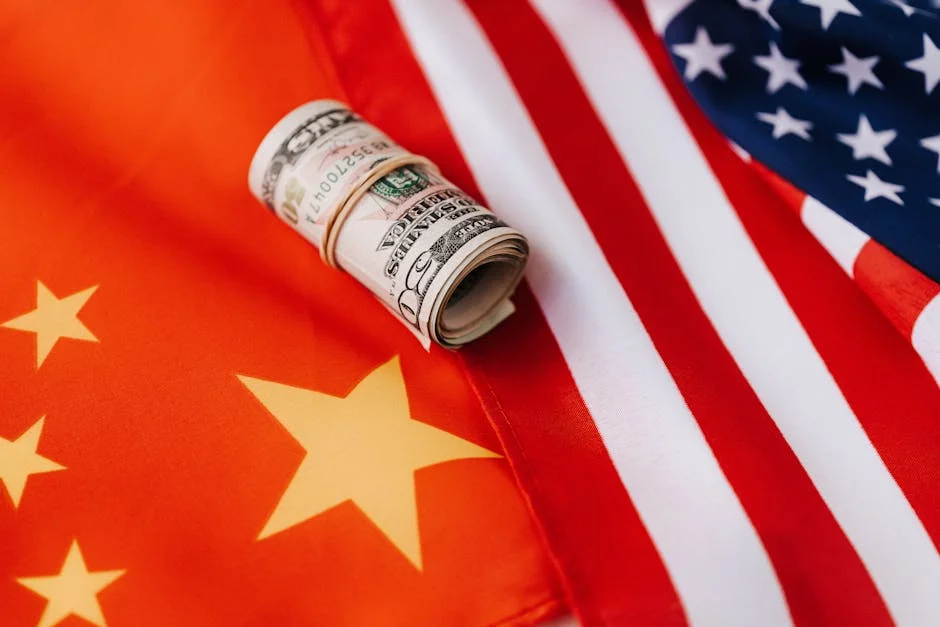
The Central Bank of Nigeria has actively encouraged the use of the yuan in bilateral trade. This move aims to reduce the burden on the country’s dwindling foreign exchange reserves. For the average citizen, this translates to potential changes in the price of everyday goods.
Importers in Lagos are already feeling the effects of this transition. They must now navigate a dual-currency system that adds complexity to supply chains. The initial phase involves higher administrative costs before the long-term savings materialize.
Impact on Local Markets
The most visible impact is in the bustling markets of Onitsha and Kano. Traders who rely on Chinese manufactured goods are adjusting their pricing strategies. The fluctuation between the Naira, the Dollar, and the Yuan creates uncertainty.
Consider the price of a standard smartphone. This item often sees a 10% to 15% variance depending on which currency is used for settlement. Such margins can determine whether a middle-class family buys or waits. This volatility affects consumer confidence across the nation.
Small and medium enterprises are particularly vulnerable. They lack the hedging tools that large multinationals possess. A sudden shift in exchange rates can erode their profit margins overnight. This forces many to raise prices to protect their bottom line.
Consumer Price Sensitivity
Inflation remains a critical concern for Nigerian households. The introduction of the yuan adds another layer of complexity to price discovery. Consumers are becoming more price-sensitive as they anticipate further adjustments. This behavior influences broader economic activity.
Retailers in Abuja report slower sales for non-essential items. People are holding onto their cash until the currency situation stabilizes. This hesitation can slow down the overall economic recovery. The psychological impact of currency uncertainty is profound.
Trade Dynamics and Supply Chains
China is Africa’s largest trading partner, accounting for a significant share of imports. The push for the yuan aims to streamline this massive commercial relationship. By bypassing the US dollar, transactions can theoretically be faster and cheaper.
However, the infrastructure for this shift is still evolving. Not all African banks have seamless access to the Cross-Border Interbank Payment System. This creates bottlenecks for smaller traders who need quick liquidity. The gap between policy and practice is widening.
Logistics companies in the Port of Lagos are adapting to these changes. They are seeing a mix of dollar and yuan payments for shipping containers. This requires more sophisticated accounting and financial management. The learning curve is steep for local operators.
The Role of Local Banks
Nigerian banks are key players in this financial transition. They must integrate the yuan into their existing foreign exchange frameworks. This involves updating software, training staff, and managing new risks. The speed of adoption varies significantly between institutions.
Some banks have launched dedicated yuan accounts for corporate clients. This allows businesses to lock in exchange rates and plan more effectively. However, retail customers are still largely reliant on the dollar. The trickle-down effect to the mass market is gradual.
Financial experts warn of potential liquidity issues. If too many traders switch to the yuan simultaneously, the supply may tighten. This could lead to short-term spikes in the exchange rate. Banks must manage this transition carefully to avoid market panic.
Political and Strategic Implications
The shift toward the yuan is also a strategic move by African leaders. It reduces dependence on Western financial systems and the SWIFT network. This offers a degree of autonomy in international relations. Nigeria views this as a tool for greater economic sovereignty.
However, this realignment does not happen in a vacuum. The United States and Europe are watching closely. They may adjust their own trade policies to maintain influence. The geopolitical stakes are high for African nations.
For the Nigerian government, the goal is clear. They want to attract more Chinese investment while retaining control over their monetary policy. Balancing these interests requires skilled diplomacy and economic management. The outcome will shape the region’s future.
Community Response and Adaptation
Local communities are adapting to these macroeconomic changes. Market associations in Ibadan are holding weekly meetings to discuss pricing. They are sharing information on the best times to convert currency. This grassroots intelligence helps traders navigate uncertainty.
Small business owners are forming cooperatives to pool resources. This allows them to buy in bulk and negotiate better rates. Such collective action mitigates the risks of individual exposure. It strengthens the resilience of the local economy.
Education is also playing a role. Financial literacy programs are introducing the yuan to local traders. Understanding the new currency helps reduce anxiety and improves decision-making. Knowledge is becoming a key asset in the market.
Future Outlook and Next Steps
The full impact of the yuan shift will unfold over the next two years. Investors should watch the quarterly reports of major Nigerian importers. These documents will reveal how effectively companies are managing the new currency. Their strategies will set the trend for others.
Policy makers in Abuja are expected to announce further incentives. These may include tax breaks for yuan-denominated trade deals. Such measures could accelerate the adoption rate across the country. The timeline for these announcements is crucial.
Citizens should monitor the monthly inflation data closely. This will indicate whether the currency shift is stabilizing prices or adding volatility. The coming months will test the resilience of the Nigerian economy. Preparedness is essential for navigating this new financial landscape.
See Also
- Kenya Reports 6.2% Growth — Africa Reacts as June Opens
- KAL Group Boosts Dividends and Slashes Debt in Nigeria
What is the latest news about nigerias yuan shift triggers real costs for lagos shoppers?
Why does this matter for sports?
What are the key facts about nigerias yuan shift triggers real costs for lagos shoppers?