Severe storms have forced the immediate closure of a major South African national park, disrupting travel plans and testing local infrastructure. The South African Weather Service issued urgent alerts as wind speeds and rainfall exceeded seasonal averages. This event highlights the growing vulnerability of regional tourism hubs to extreme weather patterns.
Citizens in the affected regions are facing immediate logistical challenges. Road networks surrounding the park have seen heavy traffic congestion. Local businesses that rely on daily visitor numbers are already reporting a sharp decline in revenue. The closure is not merely a temporary inconvenience but a significant economic shock for the community.
Immediate Disruption to Regional Travel
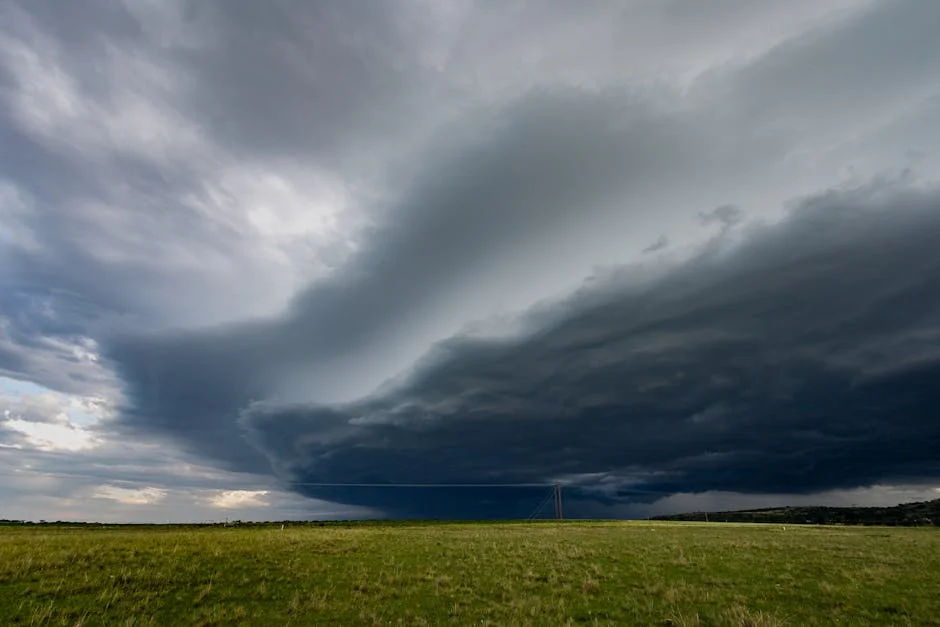
The decision to close the park came after hours of relentless downpours and gusting winds. Authorities determined that the risk to visitors and staff had reached a critical threshold. This swift action prevented potential accidents on the park’s winding gravel roads. It also ensured that wildlife could retreat to safer, elevated ground without human interference.
Travelers who had booked weekend getaways found themselves stranded at entry gates. Many reported long waits for shuttle buses or rental cars to return to nearby towns. The chaos at the park entrances underscored the need for better communication strategies during emergencies. Visitors expressed frustration over the lack of real-time updates from management teams.
Local transport operators are now scrambling to manage the influx of displaced tourists. Minibus taxis and private hire vehicles have seen a surge in demand. This sudden spike in usage has led to higher prices for short-term rentals. The ripple effect is felt across the entire local transport network, stretching its capacity to the limit.
Economic Shock for Local Communities
The tourism sector in this region is highly dependent on consistent visitor flow. A single day of closure can wipe out the weekly profits for small family-owned businesses. Restaurants, souvenir shops, and guesthouses are bracing for a financial hit. The uncertainty surrounding the duration of the storm adds another layer of anxiety for these entrepreneurs.
Job losses are a real concern for seasonal workers in the area. Many employees in the park and surrounding towns are paid daily wages. When the gates close, their income stream dries up almost instantly. This financial pressure forces families to dip into savings or rely on community support networks. The social impact extends far beyond the immediate economic figures.
Local government officials are monitoring the situation closely. They are preparing contingency plans to support affected businesses. These measures may include temporary tax relief or direct subsidies for hard-hit sectors. The goal is to stabilize the local economy until normal operations can resume. Community leaders are calling for a coordinated response to maximize the effectiveness of these aid packages.
Infrastructure Strain and Maintenance Needs
The intensity of the storms has exposed weaknesses in the park’s infrastructure. Several key roads have developed potholes and erosion issues. Drainage systems are struggling to handle the volume of water. This damage requires immediate repair to prevent long-term degradation of the park’s assets. Maintenance crews are working around the clock to assess the extent of the damage.
Power outages have also been reported in some sections of the park. The electrical grid is under pressure due to falling tree branches and flooding. This affects not only visitor comfort but also the operation of security systems. Lighting and communication networks are critical for safety during and after the storm. Engineers are deploying mobile generators to keep essential services running.
Impact on Wildlife Management
Wildlife managers are closely monitoring the behavior of animals during the storm. Some species are more sensitive to heavy rainfall and wind than others. Elephants, for instance, tend to seek shelter in dense thickets. This movement can lead to crop raiding in nearby farms if the animals disperse widely. Farmers are therefore on high alert for potential damage to their harvests.
Water levels in the park’s dams and rivers have risen significantly. This is generally good for water-dependent species but can lead to flooding in low-lying areas. Hippos and crocodiles may become more active near the water’s edge. Visitors who return after the storm need to be cautious of these shifted animal patterns. Rangers are increasing patrols to ensure both human and animal safety.
The storm also presents an opportunity for ecological renewal. Heavy rains help replenish water sources that were drying up during the dry season. Vegetation growth is expected to accelerate, providing more food for herbivores. This can have a positive long-term effect on the park’s biodiversity. Conservationists are viewing the storm as a necessary, albeit disruptive, part of the ecosystem’s cycle.
Community Response and Social Cohesion
Local communities have shown remarkable resilience in the face of the storm. Neighbors are helping each other clear fallen trees and sandbag homes. Community centers have opened as temporary shelters for those with limited housing. This spirit of cooperation strengthens social bonds and reduces the overall stress on emergency services. It demonstrates the importance of community-led initiatives in disaster response.
Schools in the vicinity have adjusted their schedules to accommodate the weather. Some have introduced flexible attendance policies for students living in flood-prone areas. Teachers are using online platforms to keep lessons moving despite the physical disruptions. This adaptability ensures that the educational progress of children is not severely hindered by the storm. Parents appreciate the flexibility shown by school administrators.
Local media outlets are playing a crucial role in keeping the public informed. Radio broadcasts provide real-time updates on road conditions and power status. Social media groups are buzzing with photos and stories from residents. This flow of information helps reduce uncertainty and allows people to plan their days more effectively. The community is relying on these digital and traditional channels to stay connected.
Long-Term Implications for Regional Tourism
This event serves as a wake-up call for the regional tourism board. Climate change is making extreme weather events more frequent and intense. The region needs to invest in more resilient infrastructure to attract future visitors. This includes upgrading roads, improving drainage, and enhancing communication systems. Proactive measures will be essential to maintain the area’s reputation as a top destination.
Insurance companies are also reviewing their policies for the region. Premiums may rise as the risk of storm damage becomes more apparent. This could affect both large hotels and small guesthouses. Business owners need to factor these potential costs into their long-term financial planning. Understanding the insurance landscape is key to ensuring the sustainability of the tourism sector.
Travelers are likely to become more weather-aware when planning their trips. They may start checking forecasts more diligently and booking flexible rates. This shift in consumer behavior could influence how tourism operators structure their offerings. Offering weather-related guarantees or easy cancellation policies might become a competitive advantage. The market will adapt to meet the new expectations of informed travelers.
What to Watch Next Week
The South African Weather Service will release a detailed forecast for the coming days. This will determine whether the park can reopen by early next week. Officials are scheduled to hold a press conference on Tuesday to update the public. This briefing will include information on road repairs and power restoration timelines. Residents and travelers should mark their calendars for this announcement.
Local government leaders are expected to announce specific aid packages for businesses. These funds will be distributed based on verified loss reports. The application process will likely begin within the next few days. Business owners should prepare their documentation to streamline the claim process. Timely action will be crucial for securing financial support during this recovery phase.
Wildlife rangers will continue to monitor animal movements for at least two weeks. This period is critical for assessing any shifts in migration patterns. Data collected during this time will inform future conservation strategies. The park management will publish a preliminary report on the ecological impact. This report will provide valuable insights for researchers and conservationists interested in the region’s resilience.
See Also
- Africa Demands Cyber Unity as Nigeria Faces Digital Threats
- Ghazal Alagh reveals how son’s skin issues sparked ₹1,000-crore business — the full story
This spirit of cooperation strengthens social bonds and reduces the overall stress on emergency services. It demonstrates the importance of community-led initiatives in disaster response.