Delta State Commissioner Yemi Oyeniyi has launched a decisive police operation targeting criminal elements within the state’s transport sector, creating immediate friction with local union leaders. The crackdown, which began in Warri and has since spread to Asaba, aims to curb the rising tide of robbery and fuel scarcity that has plagued commuters for months. This direct confrontation signals a shift in strategy for the state government, moving from diplomatic negotiations to tangible enforcement actions to restore order.
Police Intensify Operations in Key Cities
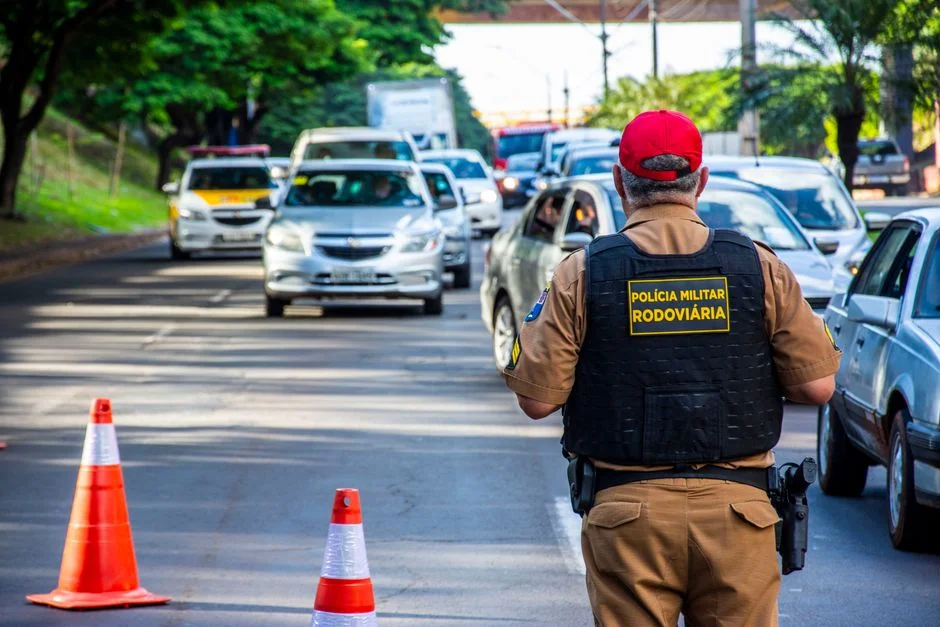
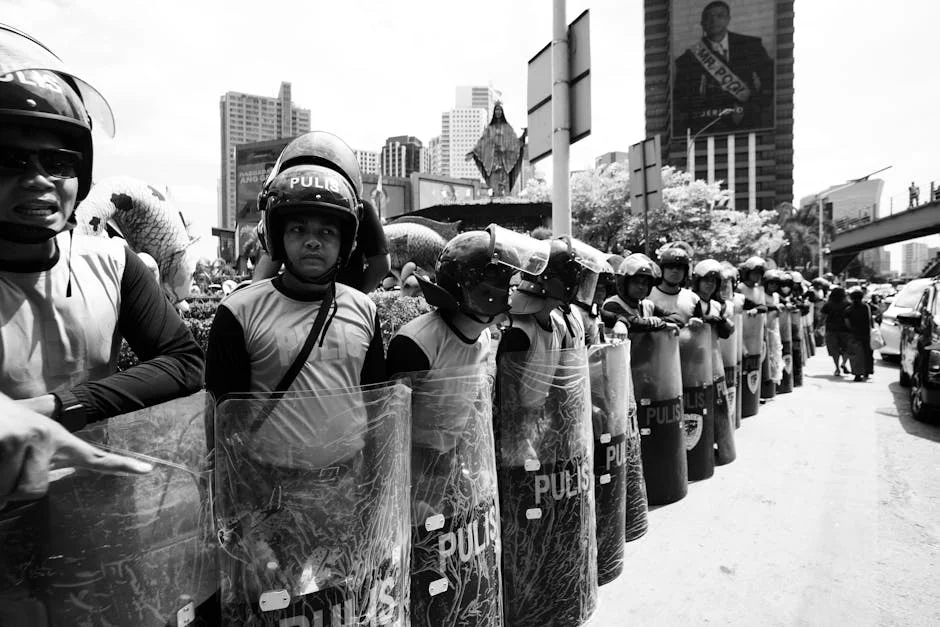
Law enforcement agencies have deployed additional personnel to major transit hubs across Delta State, focusing on areas with high crime rates. Officers in Warri have set up roadblocks and checkpoints to screen vehicles, aiming to intercept criminals who often blend in with regular commuters. The operation targets not only armed robbers but also syndicates responsible for the frequent disruptions in fuel supply chains.
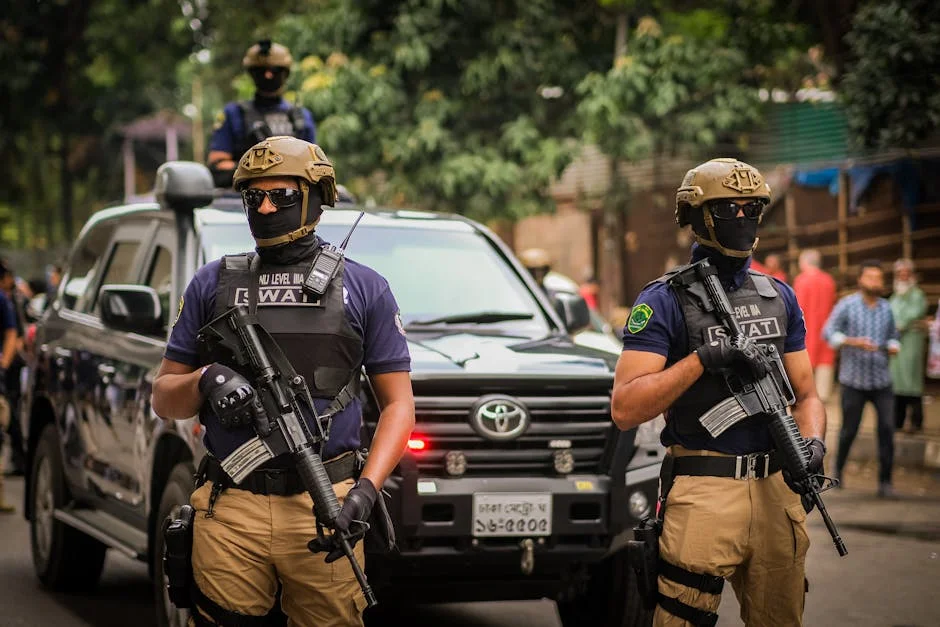
The intensity of the police presence has surprised many residents who had grown accustomed to a more passive approach by authorities. In Asaba, the capital city, traffic flow has improved slightly as drivers adjust to the new scrutiny. However, the initial days have seen some confusion, with motorists complaining about delays at major intersections. The police command insists that these short-term inconveniences are necessary to dismantle the criminal networks operating with relative impunity.
Transport Unions React with Caution and Demands
Transport union leaders have responded to the police move with a mixture of relief and apprehension. While many acknowledge the need for stricter enforcement, they fear that the crackdown might unfairly target innocent drivers. Union representatives have called for clearer guidelines to prevent arbitrary arrests and excessive fines, which have historically been a source of tension between drivers and the police.
Divergent Views Within the Union
Not all union members share the same perspective on the police operation. Some drivers welcome the increased security, citing personal experiences with robbery on major highways. Others argue that the police tactics are too aggressive, leading to unnecessary confrontations. This internal division within the unions complicates the negotiation process, as leaders struggle to present a unified front to the state government.
Union leaders have demanded a formal meeting with Commissioner Yemi Oyeniyi to discuss the terms of the engagement. They want assurances that the police operation will be sustained and not just a temporary measure to quell public outcry. The unions also seek a review of the licensing and registration processes, which they argue are often used as tools for extortion rather than genuine regulation.
Impact on Daily Commuters and Local Economy
The crackdown has had an immediate impact on the daily lives of Delta State residents. Commuters in Warri and Asaba have reported fewer incidents of robbery, leading to a slight improvement in public confidence. However, the increased police presence has also led to longer travel times, affecting workers and students who rely on public transport for their daily routines.
Local businesses are also feeling the effects of the transport sector’s turbulence. Shop owners in major markets are concerned about the potential for further disruptions if the standoff between the police and unions escalates. The uncertainty has led some traders to adjust their opening hours, while others have started sourcing goods from alternative routes to minimize delays. The economic ripple effects are already visible in the bustling commercial centers of the state.
Commissioner Yemi Oyeniyi’s Strategic Shift
Commissioner Yemi Oyeniyi has framed the police operation as a necessary step to reclaim authority over the state’s transport sector. He has emphasized that the goal is not just to arrest criminals but to create a sustainable system that benefits both drivers and commuters. The Commissioner has criticized previous administrations for being too lenient, allowing criminal syndicates to grow stronger over time.
This strategic shift reflects a broader trend in Delta State’s governance, where officials are increasingly taking bold actions to address long-standing issues. Yemi Oyeniyi has used social media and press conferences to communicate directly with the public, explaining the rationale behind the police moves. His transparent approach has helped to build some level of trust, although skepticism remains among certain segments of the population.
Community Response and Grassroots Reactions
Residents in Delta State have reacted to the police crackdown with a mix of hope and anxiety. In neighborhoods near major highways, residents have expressed relief at seeing a more visible police presence. Many have shared stories of past robberies, highlighting the urgency of the situation. However, there is also a fear that the operation might lead to increased police brutality if not properly monitored.
Community leaders have called for a collaborative approach, urging both the police and transport unions to work together to find a lasting solution. They have organized town hall meetings to gather feedback from residents and present it to the state government. These grassroots efforts are crucial for ensuring that the police operation addresses the real concerns of the people, rather than just imposing top-down solutions.
Challenges in Sustaining the Momentum
One of the biggest challenges facing the Delta State government is sustaining the momentum of the police operation. Previous crackdowns have often fizzled out due to logistical issues, corruption, and lack of political will. The state government must ensure that the police force is adequately equipped and motivated to continue the fight against transport-related crimes.
Corruption remains a significant hurdle, as some officers have been known to accept bribes from drivers to overlook infractions. The state government has announced stricter disciplinary measures for erring officers, but the effectiveness of these measures will depend on consistent enforcement. Without a robust anti-corruption strategy, the gains made by the police operation could be quickly eroded.
What to Watch Next Week
The coming weeks will be critical in determining the success of the police crackdown. Residents should watch for the outcome of the scheduled meeting between Commissioner Yemi Oyeniyi and transport union leaders. This dialogue could lead to a formal agreement that defines the roles and responsibilities of both parties, reducing the potential for future conflicts. The state government has also promised to release a detailed report on the initial phase of the operation, which will provide valuable insights into its effectiveness.
See Also
- Honor Unveils Revolutionary Smartphone at MWC Barcelona — What This Means for Nigeria
- Nigeria Joins African Nations Shifting to Chinese Yuan for Trade
This strategic shift reflects a broader trend in Delta State’s governance, where officials are increasingly taking bold actions to address long-standing issues. The Commissioner has criticized previous administrations for being too lenient, allowing criminal syndicates to grow stronger over time.