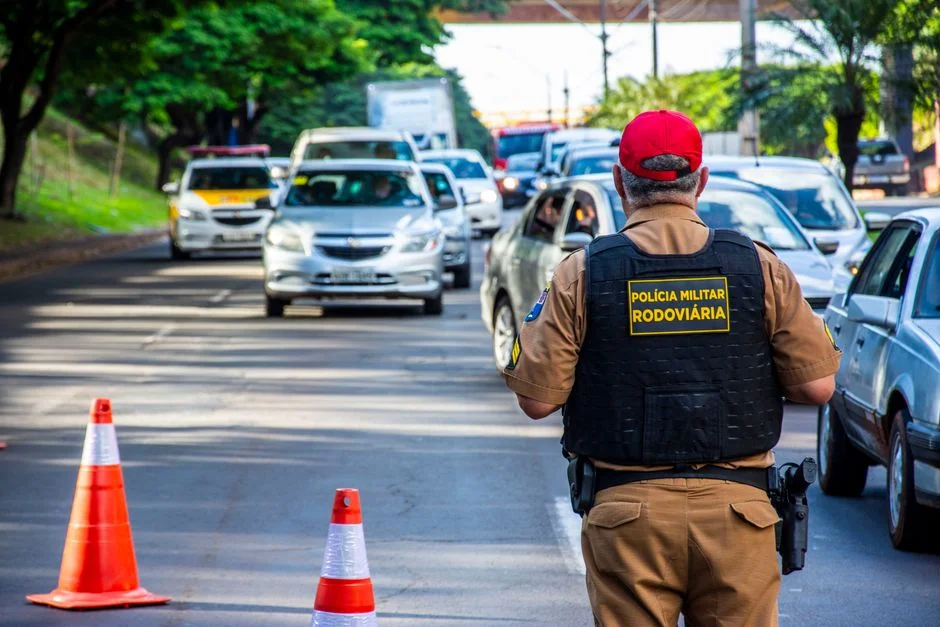
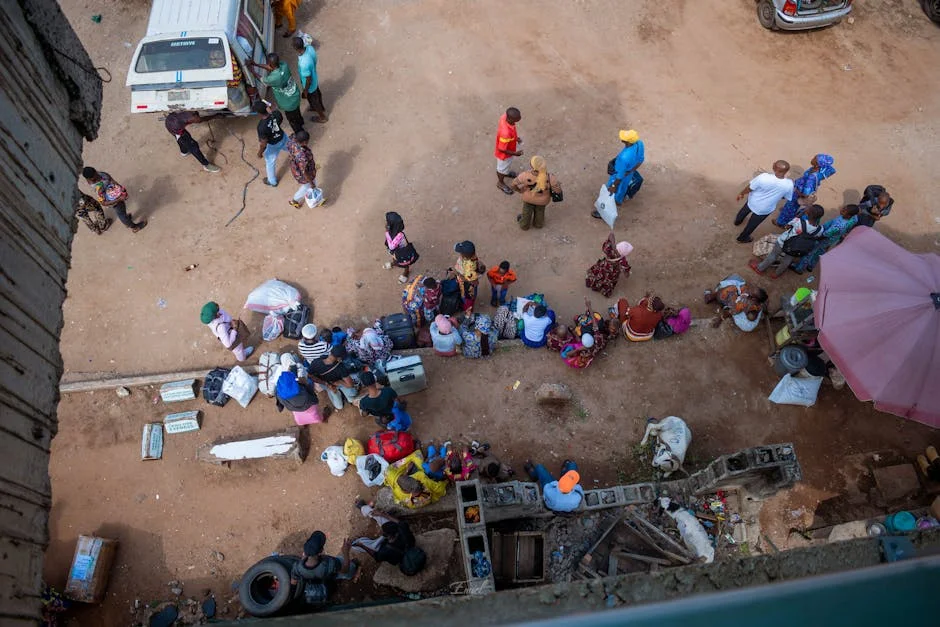
South African police have arrested a senior Home Affairs official in a sweeping corruption probe that threatens to reshape immigration procedures across the region. The Hawks, the specialized detective unit of the South African Police Service, executed the raid in Pretoria, targeting systemic graft within the Department of Home Affairs. This development sends immediate ripples through the diaspora community, particularly affecting Nigerian citizens who rely on efficient visa processing for trade and tourism.
The Arrest and Immediate Legal Consequences
The detention marks a critical turning point in the ongoing audit of the Department of Home Affairs. Law enforcement officers moved swiftly to secure key documents and digital records from the official’s office in the capital. The accused faces multiple charges, including fraud, embezzlement, and the abuse of office. Legal experts suggest that the evidence gathered during the initial hours of the investigation will determine the speed of the trial.

Officials from the Hawks emphasized that this arrest is not an isolated incident but part of a broader strategy to clean up the department. They have indicated that more names may surface as forensic accountants dig deeper into financial trails. The transparency of this process is vital for restoring public trust in the institution. Citizens are watching closely to see if the legal machinery will move with the urgency the crisis demands.
Impact on Nigerian Citizens and Communities
For Nigerian residents in South Africa, this corruption scandal has tangible daily consequences. Many Nigerians work in the retail, hospitality, and service sectors, often relying on the General Work Visa or the Business Visa. Delays in processing these documents can mean lost wages, expired permits, and even the risk of being declared “irregular” migrants. The uncertainty creates a climate of anxiety for families who have built their lives in cities like Johannesburg and Cape Town.
Visa Backlogs and Bureaucratic Hurdles
The arrest has already triggered a temporary freeze on certain file movements within the Pretoria headquarters. This administrative pause means that applications submitted in the last three months may face extended waiting periods. Applicants are being advised to check their status online frequently, as communication from the department has become sporadic. The lack of clear timelines forces many to take leave from work to visit the embassy or local offices, incurring additional travel and data costs.
Nigerian business owners are also feeling the pinch. Those holding Section 18(B) visas, which allow for extended stays for business activities, are concerned about the validity of their permits if the approving official is found guilty. A retroactive review could invalidate hundreds of permits, forcing business owners to reapply from scratch. This potential bureaucratic nightmare threatens the stability of small and medium-sized enterprises run by Nigerians in South Africa.
Systemic Issues Within the Department of Home Affairs
The Department of Home Affairs has long been plagued by inefficiency and corruption. The sheer volume of applicants, combined with an aging infrastructure, creates fertile ground for graft. Bribery is not uncommon at various checkpoints and processing windows. Officials often demand “the right price” to speed up a file or to ensure that a document does not get “lost” in the system. This systemic issue affects not just Nigerians but millions of Africans seeking better opportunities in South Africa.
The current government has promised to digitize the entire process to reduce human error and opportunity for bribery. However, the transition has been slow and fraught with technical glitches. The arrest of this high-profile official highlights the gap between policy promises and on-the-ground reality. It exposes how deeply entrenched the problem is within the ranks of the department. Without structural reform, individual arrests may only serve as temporary fixes.
Civil society organizations have been pushing for greater accountability for years. They argue that the cost of a visa is not just the official fee but also the hidden costs of bribes and agent commissions. For a low-income worker, these hidden costs can amount to nearly a month’s salary. This financial burden disproportionately affects African nationals who are often less familiar with the local legal landscape compared to Western expatriates.
Regional Implications for Migration Flows
South Africa serves as a primary gateway for intra-African migration. The stability of its immigration system has direct implications for regional economic integration. If the Department of Home Affairs is perceived as corrupt or inefficient, it discourages skilled workers and investors from other African nations. This can lead to a “brain drain” where talent flows to neighboring countries with more predictable immigration policies, such as Ghana or Kenya.
The arrest sends a signal to the region that South Africa is serious about tightening its borders and cleaning up its administrative processes. However, it also introduces an element of unpredictability. Investors and workers prefer stability over sudden shocks. The current uncertainty may cause some to delay their relocation plans until the situation stabilizes. This hesitation can have a ripple effect on the local economy, particularly in sectors that rely heavily on foreign labor.
Nigerian communities in South Africa are closely monitoring these developments. Community leaders are holding town hall meetings to share updates and advise members on the best course of action. These grassroots efforts help to mitigate the confusion caused by official silence. They provide a support network for those navigating the complex legal landscape. The strength of these community responses is a testament to the resilience of the diaspora.
What This Means for Visa Applicants Now
If you are a Nigerian citizen with a pending visa application in South Africa, you need to take proactive steps. First, ensure that all your supporting documents are up to date and correctly formatted. Second, maintain regular contact with your immigration agent, if you are using one. Ask for specific reference numbers and timestamps for every submission. This paper trail can be invaluable if your file is selected for a retrospective audit.
- Check the status of your application on the official Department of Home Affairs portal every week.
- Keep copies of all receipts, both digital and physical, to prove payment and submission dates.
- Consult with a local immigration lawyer if your application has been pending for more than six months.
Avoid paying extra fees unless explicitly requested in writing. Corruption often thrives on verbal promises and cash transactions. By insisting on written communication, you create a buffer against arbitrary demands. This disciplined approach can protect your financial interests and speed up the resolution of your case. Patience and diligence are your best tools in the current climate.
The Role of the Hawks in Restoring Trust
The Hawks have a reputation for being aggressive and efficient. Their involvement in the Home Affairs probe suggests that the government is willing to use forceful measures to curb corruption. However, their effectiveness depends on the cooperation of other state institutions. The National Treasury and the Public Service Commission must also play active roles in enforcing financial discipline and personnel standards. A siloed approach will not solve a systemic problem.
Public confidence in the Hawks remains high, but it is not immune to erosion. If the trials drag on for years without conviction, the public may become cynical. Therefore, the speed and fairness of the judicial process are as important as the arrests themselves. The media is playing a crucial role in keeping the pressure on the prosecution. Continuous coverage ensures that the case does not fade into the background noise of political life.
For the average citizen, the visible action of the Hawks provides a sense of relief. It shows that the system is still capable of self-correction. This psychological boost is important for maintaining social cohesion. When people believe that the institutions are working, they are more likely to comply with regulations and invest in their future. The arrest is thus not just a legal event but a social signal.
Future Outlook and Next Steps
The coming months will be critical for the Department of Home Affairs. The government has announced a comprehensive review of all visa approvals issued by the detained official’s division. This review is expected to take at least three months to complete. During this period, applicants should expect delays and additional requests for documentation. The department has also hinted at the launch of a new digital tracking system by the end of the quarter.
Nigerian citizens should watch for official announcements regarding the reopening of specific visa categories. The South African High Commission in Abuja is likely to issue a joint statement with the Department of Home Affairs to clarify the situation. Keeping an eye on the embassy’s social media channels will provide real-time updates. The next major milestone will be the bail hearing for the arrested official, which is scheduled for early next week. This hearing will reveal the strength of the prosecution’s case and set the stage for the trial.
See Also
- Gambia Condemns South Africa's Xenophobic Violence — Citizens Demand Action
- South Africa Postpones Captain Makgotloe Case to June — Here Is Why It Matters
Their involvement in the Home Affairs probe suggests that the government is willing to use forceful measures to curb corruption. Therefore, the speed and fairness of the judicial process are as important as the arrests themselves.
What is the latest news about south africa arrests home affairs official in corruption probe?
Why does this matter for infrastructure-cities?
What are the key facts about south africa arrests home affairs official in corruption probe?