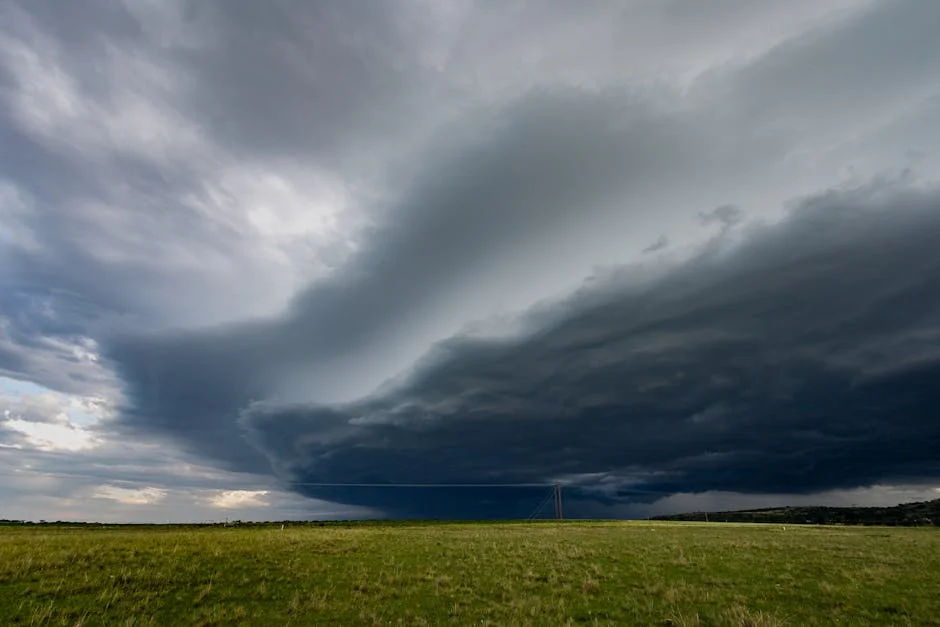
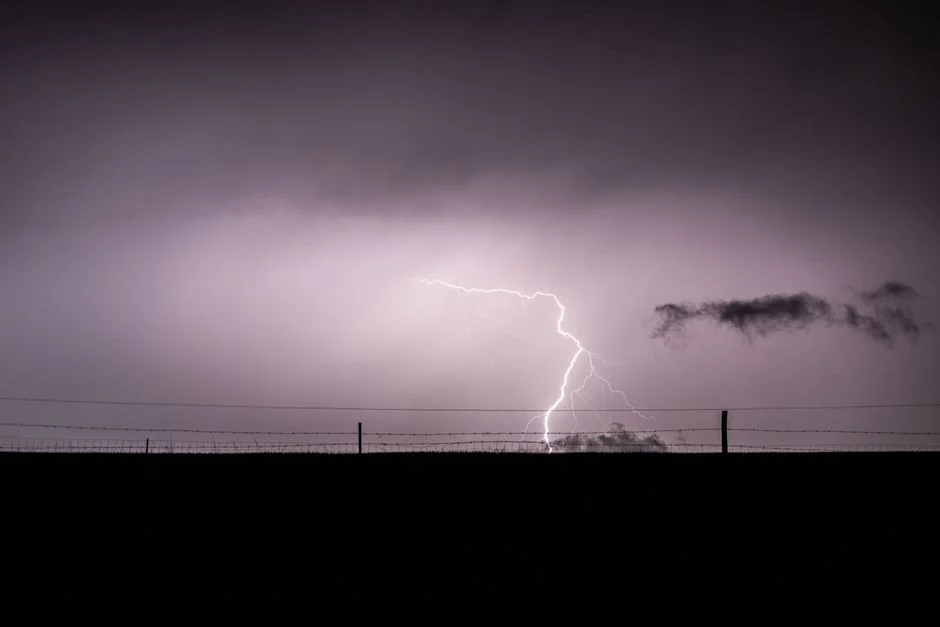
The South African Weather Service issued a warning on Tuesday as severe thunderstorms hit five provinces, raising concerns about potential flooding. The alert covers Gauteng, North West, Mpumalanga, Limpopo, and the Eastern Cape, with heavy rainfall expected to disrupt daily life and infrastructure. In KwaZulu-Natal, however, the weather remained unusually hot, adding to the region’s climate challenges.
Severe Weather Disrupts Daily Life
Residents in Gauteng, the economic hub of South Africa, faced early disruptions as the storms rolled in. The South African Weather Service reported rainfall rates of up to 50mm per hour in some areas, leading to localized flooding in low-lying regions. Streets in Johannesburg and Pretoria became impassable in parts, with traffic coming to a standstill. Public transport services were also affected, with several bus routes suspended.
Local authorities urged residents to avoid unnecessary travel and to stay informed through official channels. “These storms are unpredictable and can lead to flash floods in a matter of minutes,” said Thandiwe Mkhize, a spokesperson for the Gauteng Department of Transport. “We are monitoring the situation closely and will issue further updates as needed.”
Impact on Local Economy and Agriculture
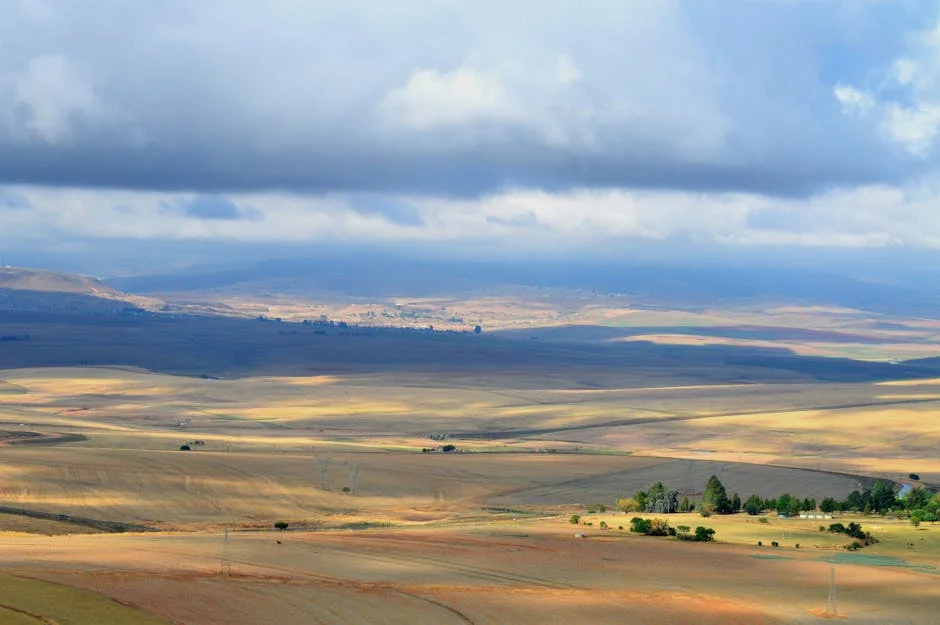
The storms have had a direct impact on the local economy, particularly in the agricultural sector. Mpumalanga, a key farming region, reported crop damage in some areas due to the heavy downpours. Farmers in the region said that the sudden change in weather has disrupted planting schedules and increased the risk of soil erosion.
“This is the worst I’ve seen in years,” said Sipho Dlamini, a farmer in Nkandla. “We were expecting a dry season, not this kind of deluge. It’s going to cost us a lot.” The South African Weather Service has also warned of potential power outages due to lightning strikes, which could further impact businesses and households.
Community Response and Preparedness
Communities across the affected provinces have been rallying to support one another. In the North West, local volunteers have been helping to clear blocked drains and assist with evacuations in flood-prone areas. The North West Provincial Disaster Management Committee has set up emergency shelters in several towns, including Klerksdorp and Rustenburg.
“We’ve seen people come together in a way that’s heartening,” said Lindiwe Khumalo, a community leader in Klerksdorp. “But we need more resources to deal with the scale of this.” The South African Red Cross has also deployed mobile units to provide emergency supplies and medical assistance to those affected.
Heatwave in KwaZulu-Natal
While most provinces braced for rain, KwaZulu-Natal experienced an unusual heatwave. Temperatures in Durban reached 34°C on Tuesday, breaking the seasonal average for this time of year. Health officials warned of the risks of dehydration and heat-related illnesses, especially for the elderly and children.
“This is a reminder that South Africa’s weather is becoming more erratic,” said Dr. Noma Dlamini, a climatologist at the University of KwaZulu-Natal. “We need to be more prepared for extreme weather events, both hot and cold.”
What to Watch Next
The South African Weather Service has forecast that the storms will continue into Wednesday, with the potential for more heavy rainfall in some areas. Residents are advised to monitor updates from the service and local authorities. The next major weather update is expected by 10 AM on Wednesday, and the situation will be closely watched by both the public and government officials.
As the region prepares for more severe weather, the focus will remain on community resilience and emergency response. With climate change continuing to influence weather patterns, the need for adaptive measures and early warning systems has never been more urgent.
See Also
- Aramco Warns of Oil Shock as Nigeria, Angola Brace for Price Hike
- DOJ Sues Cloudera for Visa Worker Bias — What It Means for Nigerians