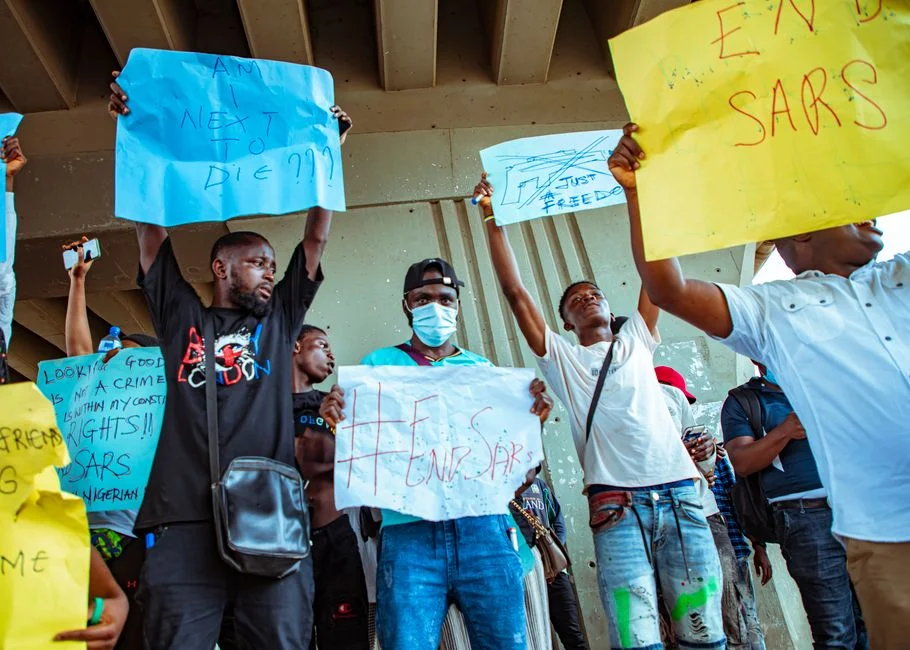
Thousands of demonstrators filled the streets of Lisbon this week to protest a sweeping overhaul of Portugal’s labour market. The Portuguese government has introduced a new legislative package that alters job security, working hours, and social benefits for millions of employees. This development sends immediate shockwaves through the region, particularly affecting the growing community of Nigerian citizens working in Lisbon, Porto, and the Algarve.
Lisbon Streets Erupt Over Job Security
The capital city became a sea of flags and placards as trade unions mobilised their base. Organisers estimated that between 30,000 and 40,000 people participated in the main march along Avenida da Liberdade. The atmosphere was charged with urgency, driven by fears that the reforms would erode hard-won rights. Police maintained a heavy presence to manage the crowds, but the mood remained largely peaceful yet determined.

Union leaders argued that the government’s plan favours employers at the expense of the average worker. They pointed to changes in overtime compensation and the introduction of more flexible, yet precarious, contract types. These shifts threaten to destabilise the middle class, which has been slowly recovering from the economic aftershocks of the Eurozone crisis. The protests highlight a deepening divide between political elites and the working population.
Direct Impact on Nigerian Communities
For Nigerian expatriates, the implications are deeply personal and financial. Many Nigerians in Portugal work in the hospitality, technology, and retail sectors, which are heavily targeted by the new regulations. A change in how overtime is calculated can reduce monthly take-home pay by a significant margin. This directly affects household budgets, rent payments, and the ability to send remittances back to Lagos, Abuja, or Port Harcourt.
Job Security and Contract Changes
The new labour package introduces stricter conditions for indefinite contracts while making temporary contracts more attractive to employers. This shift creates uncertainty for foreign workers who often hold temporary visas tied to specific job roles. If an employer opts for a cheaper, flexible contract, the worker’s residency status could become vulnerable. This legal ambiguity forces many to stay silent about workplace grievances for fear of losing their foothold in the country.
Community leaders in Lisbon have begun holding town halls to explain the legal nuances to newcomers. The Nigerian Association in Portugal has called for urgent consultations with the Ministry of Labour. They warn that without clear guidance, many skilled professionals might consider leaving for other European markets. The social fabric of these diaspora communities is under strain as economic pressure mounts.
Economic Ripples Across the Region
The labour reforms are not just a Lisbon issue; they resonate across Portugal. Cities like Porto and Braga, which host large numbers of service industry workers, are seeing similar unrest. Small business owners face higher administrative costs, while employees face lower wages. This tension threatens to slow down consumer spending, which is crucial for the Portuguese economic recovery. The balance between attracting foreign investment and protecting local wages is delicate.
Analysts note that the tourism sector, a major employer of Nigerians, is particularly exposed. Hotels and restaurants in the Algarve and Madeira rely on seasonal and flexible labour. If the new laws make it cheaper to hire and fire staff, turnover rates could surge. This instability affects service quality and employee morale, creating a cycle of dissatisfaction. The long-term health of this vital industry depends on how well the new policies are implemented.
Political Stakes and Public Reaction
The government defends the reforms as necessary to boost competitiveness and reduce the high rate of temporary contracts. Officials argue that flexibility will encourage companies to hire more people, thereby lowering unemployment. However, critics say this is a short-term fix that ignores long-term job quality. The political debate has intensified, with opposition parties accusing the ruling coalition of rushing the legislation without sufficient public consultation.
Public opinion remains divided, but the turnout in Lisbon suggests strong grassroots resistance. Social media has become a key battleground, with workers sharing stories of wage cuts and unexpected schedule changes. This digital mobilisation has helped sustain the momentum of the protests. The government faces the challenge of addressing these concerns without derailing its broader economic agenda.
What to Watch Next
The legislative process is far from over, and the coming months will be critical. The Portuguese Parliament is scheduled to vote on the final version of the labour package next month. Union leaders have threatened to escalate their tactics, potentially calling for general strikes if their key demands are not met. Nigerian communities should monitor official announcements from the Ministry of Labour for any clarifications on visa and contract rules.
As the debate continues, the focus will shift to how these changes are enforced in practice. Small businesses and foreign workers alike will be watching for signs of flexibility or rigidity from the courts and inspectors. The outcome will define the labour landscape in Portugal for the next decade. Citizens are advised to stay informed and engage with local advocacy groups to protect their rights.
See Also
- Cape Town Apartment Rental Exposes Housing Crisis—What It Means for Africa
- Europeia Targets Energy Profits With New Tax Plan — Impact on Nigeria Looms
What is the latest news about portugal labour pact sparks unrest what nigerian migrants face?
Why does this matter for economy-business?
What are the key facts about portugal labour pact sparks unrest what nigerian migrants face?