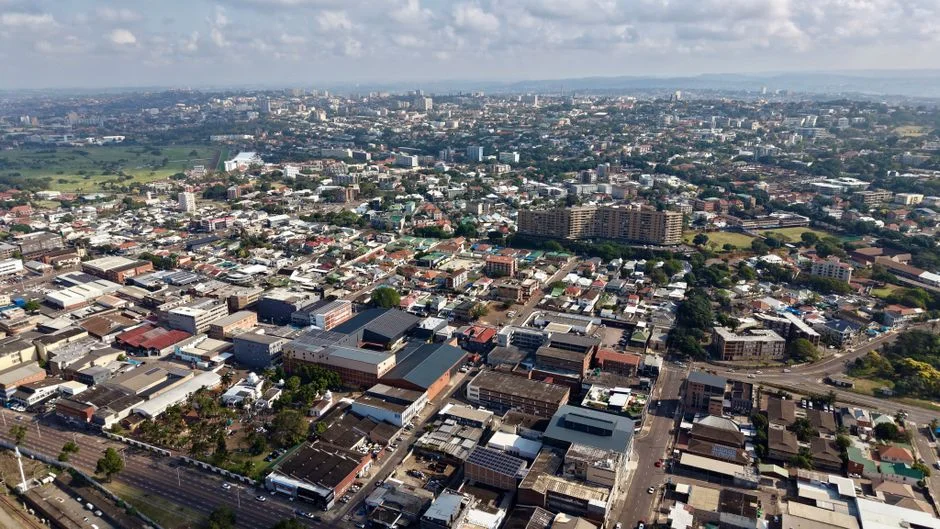
The security apparatus in Humansdorp has fractured, allowing criminal syndicates to operate with near-total impunity across the Eastern Cape region. This breakdown is not merely a statistic; it represents a daily struggle for survival for thousands of residents who can no longer trust the institutions designed to protect them. The situation in this small town has become a microcosm of a broader national crisis that demands immediate and rigorous attention.
Gangs Dominate the Streets of Humansdorp
Criminal gangs in Humansdorp have effectively taken over large swathes of the town, turning what was once a bustling economic hub into a landscape defined by fear and uncertainty. Residents report that gang members patrol the streets with military precision, often arriving in convoys of SUVs armed with automatic rifles and even light machine guns. This level of weaponry suggests a sophisticated supply chain that extends far beyond the local borders.

The economic impact on local businesses is devastating. Shop owners in the central business district have begun closing their shutters by noon, fearing extortion payments and sudden bursts of gunfire. Many small traders have been forced to rely on generators and private security guards, costs that small margins in the Eastern Cape can barely sustain. The result is a shrinking economy where only the most resilient or most connected businesses survive.
For the average citizen, the cost of living has increased not just through inflation, but through the hidden taxes of insecurity. Commuting to work requires navigating checkpoints set up by rival factions. School attendance has fluctuated as parents pull children out of classrooms during peak shooting hours. This disruption to daily life erodes the social fabric of the community, creating a generation that views instability as the norm rather than the exception.
Police Incompetence and Systemic Leaks
The South African Police Service has come under intense scrutiny for its inability to contain the violence in Humansdorp. Critics argue that the failures are not just operational but structural, pointing to a deep-seated culture of corruption and incompetence within the local precinct. Officers are often seen reacting to crimes rather than proactively investigating them, a pattern that has emboldened criminal elements.
Internal Leaks and External Pressures
One of the most alarming aspects of the crisis is the evidence of leaks within the police ranks. Gang leaders seem to know when raids are scheduled, allowing them to move their assets and personnel to safe houses. This intelligence advantage suggests that the enemy is not just outside the police station, but sitting at desks within it. The trust between the community and the police has consequently evaporated.
Community leaders have organized regular marches to demand accountability, but their voices are often drowned out by bureaucratic delays. The lack of visible progress has led to frustration and, in some cases, a sense of resignation among the populace. When the protectors become the protected, the citizenry is left to fend for themselves against increasingly organized criminal entities.
The Role of Political Leadership
Political figures, including prominent voices like Catherine White, have highlighted the severity of the situation, pointing out that the security failures in Humansdorp are a direct result of political neglect. The local government has been accused of prioritizing political maneuvering over essential service delivery, with security being the most critical of those services. This disconnect between the rulers and the ruled has widened the gap in public confidence.
The political implications are significant. If the ruling party cannot secure the streets of a town like Humansdorp, their mandate is called into question by voters who feel abandoned. Opposition parties are using the crisis to paint the current administration as ineffective, focusing on the tangible impact on voters' daily lives. The narrative is shifting from abstract policy debates to the concrete reality of bullets and bulletproof jackets.
Local politicians are under pressure to deliver quick wins, but security is a complex issue that requires sustained effort and resources. The temptation to announce short-term initiatives that may not address the root causes is high. However, residents are becoming savvy to political rhetoric, demanding action over words. The pressure is mounting on leaders to show that they are in control, even when the evidence suggests otherwise.
Impact on the Local Economy
The economic toll of the gang war in Humansdorp is profound. Investment has dried up as businesses fear the instability. New shops are hesitant to open, and existing ones are expanding cautiously. The tourism sector, which could provide a boost to the Eastern Cape economy, has suffered as travelers avoid the region due to safety concerns. This stagnation affects job creation and keeps unemployment rates stubbornly high.
Unemployment in the Eastern Cape is already among the highest in South Africa, and the security crisis exacerbates this problem. When jobs are scarce, the allure of joining a gang increases for young men and women seeking income and status. This creates a vicious cycle where poverty fuels crime, and crime deepens poverty. Breaking this cycle requires more than just police action; it needs comprehensive economic interventions.
Small business owners are bearing the brunt of the economic downturn. Many have had to take out loans to pay for security, insurance, and repairs after shootouts. These financial burdens can push small enterprises to the brink of bankruptcy. The local economy is becoming more fragile, with fewer buffers against shocks. The community’s economic resilience is being tested every day.
Community Response and Resilience
Despite the overwhelming challenges, the community in Humansdorp has shown remarkable resilience. Residents have formed neighborhood watches and community policing forums to fill the gaps left by the formal security apparatus. These groups organize patrols and share information, creating a sense of collective ownership over the safety of their streets. While these efforts are vital, they are often underfunded and understaffed.
Local churches and NGOs have stepped in to provide social support, offering counseling for trauma and educational programs for youth at risk. These organizations play a crucial role in mitigating the social impact of the violence. They provide safe havens for children and young adults who might otherwise be drawn into the gang lifestyle. Their work highlights the importance of community-led solutions in times of crisis.
The spirit of *Ubuntu*—the African philosophy of interconnectedness—remains a guiding principle for many in Humansdorp. Neighbors look out for one another, sharing resources and information. This social cohesion is a critical asset in the fight against gang violence. It fosters a sense of belonging and purpose that can counteract the alienation often felt in townships and urban centers.
Broader Regional Implications
The situation in Humansdorp is not an isolated incident; it reflects a broader trend of rising gang violence across South Africa. Cities like Johannesburg, Cape Town, and Durban are also grappling with similar challenges, though the intensity and nature of the gangs vary. Understanding the Humansdorp case provides valuable insights into the mechanisms of gang expansion and the factors that contribute to their success.
The Eastern Cape, as a key province in South Africa, plays a significant role in the national political and economic landscape. Instability in this region can have ripple effects, influencing national policies and economic forecasts. The security crisis in Humansdorp serves as a warning sign for other regions that may be on the brink of similar upheavals. It underscores the need for a coordinated national strategy to combat gang violence.
Regional cooperation is essential to address the cross-border nature of gang operations. Gangs in Humansdorp often have links to criminal networks in neighboring provinces and even countries. Sharing intelligence and resources across regional boundaries can enhance the effectiveness of security forces. This collaborative approach is crucial for disrupting the supply chains and financial networks that sustain gang power.
What to Watch Next
The coming months will be critical for Humansdorp. The local government has promised a new security task force, but residents are waiting to see if this translates into tangible results. The next quarter will test the resolve of political leaders and the capability of the police service. If the violence continues to surge, public discontent is likely to grow, potentially leading to larger protests and political shifts.
Observers should monitor the appointment of new leadership within the local police precinct and the Eastern Cape province. Changes in command can signal a shift in strategy and priority. Additionally, the release of new crime statistics and the outcomes of key trials of gang leaders will provide indicators of whether the tide is turning. The community will be watching closely to see if their voices are being heard.
The international community is also taking note of the situation, with potential implications for foreign investment and aid. If the security situation does not improve, South Africa’s attractiveness as an investment destination may diminish. This could have long-term economic consequences for the country. The stakes are high, and the time for action is now.
See Also
- Nigeria's Athletics Federation Blocks Six African Athletes' Transfers to Turkey
- APC stakeholders berate fabricated petition against Rt. Hon. Yusuf Abdullahi Ata as Tinubu’s competent ministerial nominee
What is the latest news about south africa exposes police failures fueling gang violence in humansdorp?
Why does this matter for politics-governance?
What are the key facts about south africa exposes police failures fueling gang violence in humansdorp?