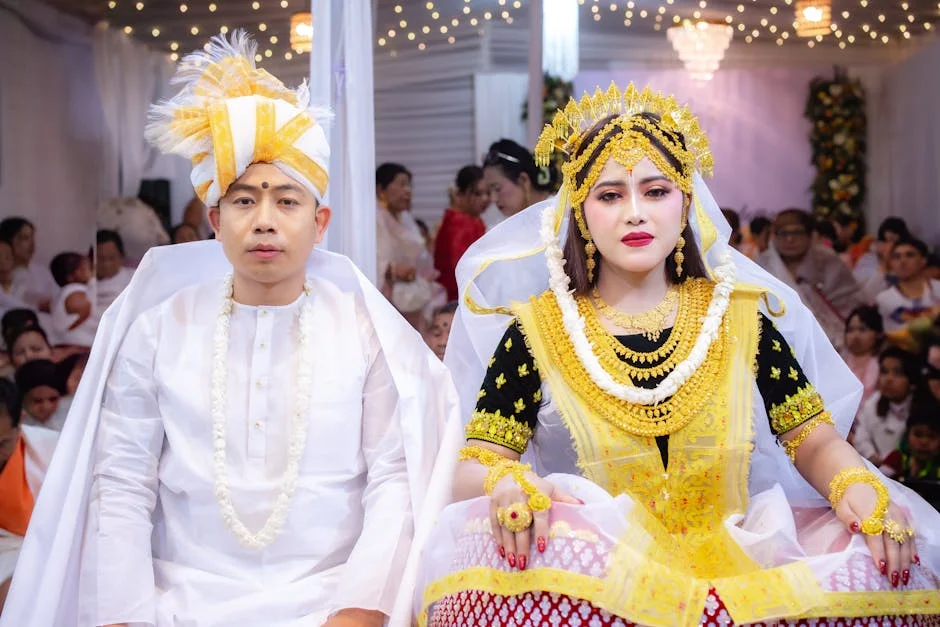
A 66-year-old man in Himachal Pradesh has married a woman young enough to be his granddaughter, sparking intense debate across the region. The union has drawn attention from local communities who are questioning traditional marital norms in modern India. Residents in the hill state are now discussing how such significant age gaps affect family dynamics and social stability.
Unusual Union Draws Local Attention
The wedding took place in a small village in Himachal Pradesh, a state known for its conservative social structures. The groom, who is 66 years old, wed a bride who appears to be in her early twenties. This specific age difference has become a talking point in local tea shops and community gatherings.
Local residents have expressed mixed reactions to the event. Some view the marriage as a personal choice protected by law. Others argue that such unions challenge the traditional expectations of marriage in the region. The contrast between the groom's advanced age and the bride's youth is striking. It raises questions about compatibility and long-term partnership.
Community Reactions and Social Norms
Social norms in Himachal Pradesh often emphasize similar age groups for marital partners. This specific case deviates from the typical pattern seen in rural India. Community leaders have begun holding informal meetings to discuss the implications. They are considering whether this trend will influence younger generations. The debate reflects a broader conversation about changing values in Indian society.
The marriage license was granted without legal hurdles, as Indian law sets a minimum age of 25 for men and 20 for women. This legal framework allows for wide age discrepancies. However, legal validity does not always align with social acceptance. The local community is grappling with this disconnect between law and custom.
Impact on Local Communities
This event directly affects citizens by challenging their understanding of family structures. In tight-knit villages, everyone knows each other's business. A marriage with such a large age gap disrupts the expected social rhythm. Neighbors are curious about the daily life of the couple. They wonder how the bride adjusts to a husband who is nearly five decades older.
The economic implications are also being discussed. Older grooms often have more established financial resources. This can provide stability for the bride. However, it may also create a power imbalance within the household. Local women's groups are monitoring the situation closely. They want to ensure the bride's voice is heard in family decisions.
The social fabric of the village is under subtle pressure. Traditions are slowly evolving, but not always smoothly. This marriage serves as a catalyst for conversation. It forces people to articulate their values regarding age and partnership. The community response highlights the tension between individual freedom and collective expectation.
Legal and Cultural Context
Indian marriage laws provide a broad framework that accommodates diverse unions. The Hindu Marriage Act and the Special Marriage Act both allow for significant age differences. There is no upper age limit for the groom. This legal flexibility is intended to respect individual choice. Yet, it sometimes leads to unions that surprise the wider community.
Culturally, age gaps are not entirely new in India. Historically, older men marrying younger women was common. However, the scale of the gap in this case is notable. It exceeds the typical generational difference seen in many rural marriages. This has led to increased scrutiny from local media and social circles. The event has become a reference point for discussions on marital choices.
The Ministry of Social Justice and Empowerment often monitors such trends. They look for patterns that might indicate broader social shifts. While this single case may not change national policy, it adds to the data. Researchers study these instances to understand the evolving nature of Indian families. The cultural context is crucial for interpreting the significance of this union.
What Residents Should Watch Next
The coming months will be critical for observing the long-term impact. Community leaders will likely organize more discussions on marital norms. Local newspapers may continue to cover the couple's life. This sustained attention will keep the issue in the public eye. Residents should watch for any formal statements from village councils.
Social workers in Himachal Pradesh may also step in. They often provide counseling for couples with significant age differences. Their involvement could set a precedent for future cases. The community will look to these professionals for guidance. This will help determine how such unions are supported or scrutinized.
The conversation about age and marriage is likely to grow. As India modernizes, traditional norms face constant testing. This wedding is just one example of that ongoing process. Citizens should pay attention to how local policies adapt to these changes. The next few years will reveal whether this is an outlier or a trend.
See Also
- Aston Villa vs Sunderland Prediction Sparks Frenzy in Nigeria
- Tiene Confirms No Contract Talks with Liverpool — What This Means for Nigerian Fans
What Residents Should Watch Next The coming months will be critical for observing the long-term impact. The community response highlights the tension between individual freedom and collective expectation.
What is the latest news about himachal wedding sparks debate 66yearold marries granddaughterage bride?
Why does this matter for economy-business?
What are the key facts about himachal wedding sparks debate 66yearold marries granddaughterage bride?