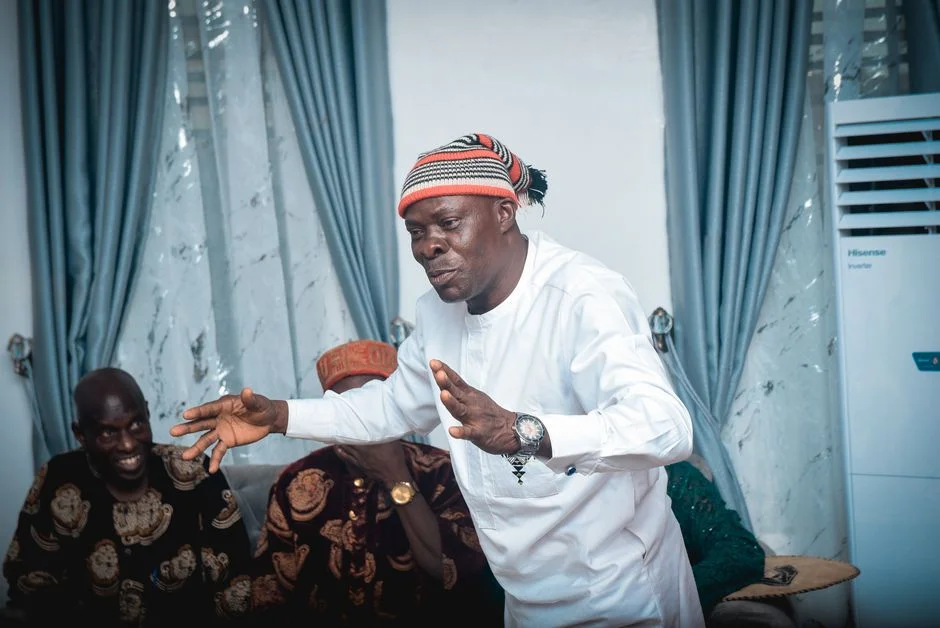
Ondo State Youth Minister Ayo Olawande has issued a direct challenge to the All Progressives Congress (APC) members across the region. He demands immediate mobilisation for the upcoming direct primary elections scheduled for 2027. This move aims to redefine how local voters influence political leadership in the state.
The announcement has sent ripples through political circles in Akure and surrounding towns. Citizens are now faced with the reality that their individual votes will carry more weight than before. The shift from internal caucus decisions to a broader direct vote changes the dynamic of local governance significantly.
Political Strategy in Ondo State
Ayo Olawande’s directive is not merely a procedural update. It represents a strategic push to broaden the APC’s base in Ondo State. The minister believes that engaging the youth and grassroots members is essential for retaining power. He argues that the current political landscape requires fresh energy and direct accountability from candidates.
The APC in Ondo State has historically relied on a mix of traditional rulers, local government chairmen, and party elders. This new approach seeks to dilute the power of these traditional gatekeepers. By forcing members to mobilise, Olawande is effectively inviting the average citizen to step into the political arena.
This strategy aligns with broader national trends in Nigerian politics. Parties are increasingly looking to the electorate to legitimize their leadership choices. However, the execution in Ondo State faces unique challenges. The state has a diverse cultural and ethnic makeup that requires careful navigation.
Challenges of Grassroots Mobilisation
Mobilising a large and diverse electorate is a logistical nightmare. The party must ensure that voting centers are accessible in both urban centers like Akure and rural communities. Infrastructure deficits in some local government areas could hinder voter turnout. Olawande has acknowledged these hurdles but insists they are surmountable with proper planning.
Financial constraints also loom large. Direct primaries are expensive to organise and run. The APC must find ways to fund the exercise without overburdening the members. This could lead to increased membership dues or targeted fundraising campaigns across the state.
Impact on Local Communities
The direct impact on citizens in Ondo State is immediate and tangible. For the first time, many residents feel that their vote in a primary election could genuinely determine the governor or senator representing them. This sense of agency is a powerful motivator for voter turnout.
In communities across the state, town hall meetings are becoming more frequent. Candidates are forced to go door-to-door rather than relying on name-dropping in party headquarters. This increases the visibility of the election process for the average voter. People in towns like Ondo Town and Ikare are already noticing the increased political activity.
The economic impact is also beginning to show. Small businesses near polling units are experiencing a surge in activity. Campaign rallies bring crowds, which means more sales for local vendors. This temporary economic boost is a welcome development for communities that have felt left behind by the broader economy.
However, the influx of political money can also lead to inflation in local markets. Prices for basic goods may rise as candidates spend heavily on logistics and hospitality. Residents must be prepared for these short-term economic fluctuations during the peak of the primary season.
Youth Engagement and Voter Turnout
Ayo Olawande, as the Youth Minister, is particularly focused on the demographic dividend. The youth population in Ondo State is vast but often underrepresented in political decision-making. He aims to leverage this energy to swing the primaries in favour of the APC.
Youth wings of the party are being tasked with door-to-door campaigns. Digital media is also playing a crucial role. Social media platforms are being used to educate young voters about the importance of the direct primary. This digital outreach is essential for reaching the tech-savvy generation in urban areas.
The goal is to achieve a turnout rate that surpasses previous elections. If successful, this could set a precedent for future political engagements in the state. High youth participation could also influence the policy priorities of the elected officials, pushing for more youth-friendly policies.
Economic Implications of Political Mobilisation
The cost of mobilisation is a significant factor for the APC. The party must balance the need for extensive outreach with financial prudence. Excessive spending could lead to resentment among members who feel the process is becoming too expensive.
Local businesses are also affected by the political spending. Hotels, transport services, and event venues see increased revenue during the primary season. This creates a symbiotic relationship between the political class and the local economy. However, this boost is often temporary and can lead to a post-election slump.
Transparency in spending is another critical issue. Citizens are increasingly demanding to know where the money is going. If the APC fails to account for the funds raised for the primaries, it could lead to disillusionment among the grassroots members. This could undermine the very mobilisation efforts Olawande is championing.
Regional Political Dynamics
Ondo State is part of the larger South-West political landscape. The outcomes of the APC primaries in Ondo could influence strategies in neighbouring states like Osun and Ogun. Political analysts are watching Ondo closely to see if the direct primary model can be replicated elsewhere.
The competition with other parties, particularly the PDP, is intensifying. The PDP in Ondo State is also working to mobilise its base. This creates a two-front battle for the APC: internal cohesion and external competitiveness. Olawande’s strategy must address both fronts simultaneously.
Traditional rulers and local elites are also reacting to the changes. Some welcome the increased transparency, while others fear a loss of influence. Their support or opposition will play a crucial role in the success of the direct primaries. The APC must navigate these traditional power structures carefully.
What to Watch Next
The next few months will be critical for the APC in Ondo State. The party will announce specific dates for the primary elections and release detailed guidelines for voter registration. Citizens should keep an eye on official communications to ensure they are not left out of the process.
Political analysts will be monitoring voter registration numbers closely. A high number of registered voters would indicate that Olawande’s mobilisation efforts are working. Conversely, a lukewarm response could signal underlying issues within the party structure.
Residents should also watch for any last-minute changes to the primary rules. Political dynamics can shift quickly, and amendments to the guidelines could affect voter eligibility or the voting process itself. Staying informed is the best way for citizens to protect their political interests in this evolving landscape.
See Also
- FG Confirms Bird Flu Outbreak In Kano
- Re: Matawalle’s Administration Embezzled Billions of Naira from Abandoned Zamfara Cargo Airport
Social media platforms are being used to educate young voters about the importance of the direct primary. Economic Implications of Political Mobilisation The cost of mobilisation is a significant factor for the APC.
What is the latest news about olawande forces ondo apc to mobilise for direct primaries?
Why does this matter for politics-governance?
What are the key facts about olawande forces ondo apc to mobilise for direct primaries?