The United States Treasury has announced fresh sanctions targeting Iranian oil exports, aiming to curb Tehran's revenue streams. This move, revealed on Monday, could send shockwaves across global energy markets, with potential implications for Nigeria's oil-dependent economy.
Sanctions Details and Global Impact
The sanctions specifically target Iran's oil sales, which are a crucial source of revenue for the nation. By restricting these exports, the U.S. government hopes to apply pressure on the Iranian government to reconsider its nuclear program activities.
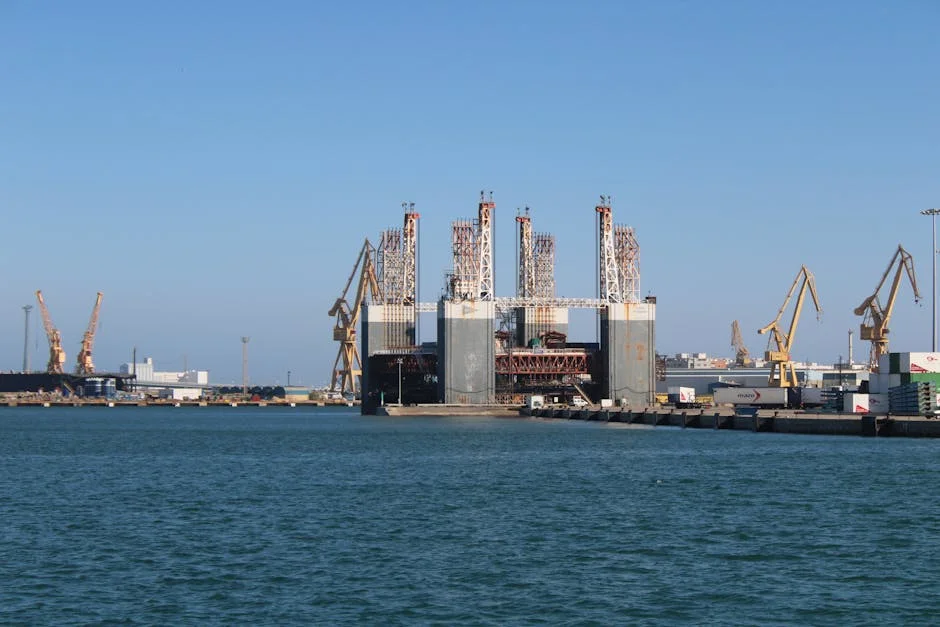
China, a major buyer of Iranian oil, is likely to be significantly impacted by these sanctions. The Asian giant has been Iran's largest trading partner, importing an estimated 775,000 barrels per day in recent months. This development may force China to seek alternative oil sources, potentially affecting global oil prices.
Impact on Nigeria's Oil Industry
Nigeria, as Africa's largest oil producer, stands to be affected by these sanctions. The country relies heavily on oil exports for its economic stability, and any shifts in global supply and demand can have immediate implications for its economy. The Nigerian National Petroleum Corporation (NNPC) will be closely monitoring these changes to assess potential impacts on oil revenue.
With the price of oil being influenced by geopolitical tensions such as these, Nigeria could either benefit from increased demand for its crude or face challenges if prices are driven too high, affecting affordability for local industries.
Local Economic Consequences
The Nigerian economy is already grappling with various challenges, including inflation and currency fluctuations. The introduction of these sanctions could exacerbate these issues by affecting the cost of imported goods and materials, further straining household budgets.
Ezekiel Oseni, an economist with the University of Lagos, highlights that any increase in oil prices might initially benefit Nigeria's revenue streams. However, if sustained, it could lead to higher fuel prices domestically, impacting transportation costs and, subsequently, the prices of goods and services.
Community Response and Adaptation
Communities across Nigeria are no strangers to the cyclical nature of the oil market. Local businesses and consumers may need to adapt to potential changes in fuel costs and availability. This could mean increasing the efficiency of logistics operations or sourcing alternative energy solutions.
Some community leaders are advocating for greater investment in renewable energy sources to reduce dependency on oil, which could mitigate some of the long-term economic impacts of such global sanctions.
Future Developments to Watch
The full impact of the U.S. Treasury's sanctions on Iranian oil exports will take time to unfold. In the coming months, Nigeria's energy sector will need to monitor global oil market trends closely. Any further developments in U.S.-Iran relations or changes in China's import strategies could significantly alter the current economic landscape.
Stakeholders in Nigeria's oil industry should prepare for potential fluctuations in global oil prices, while policymakers might consider strategies to diversify the national economy to reduce its vulnerability to such international events.
See Also
- Siga Slams Benfica 2-1 — De Amorim's Late Spark Ignites Lagos
- Nigeria Rejects Daylight Saving Time: What This Means for Economic Growth