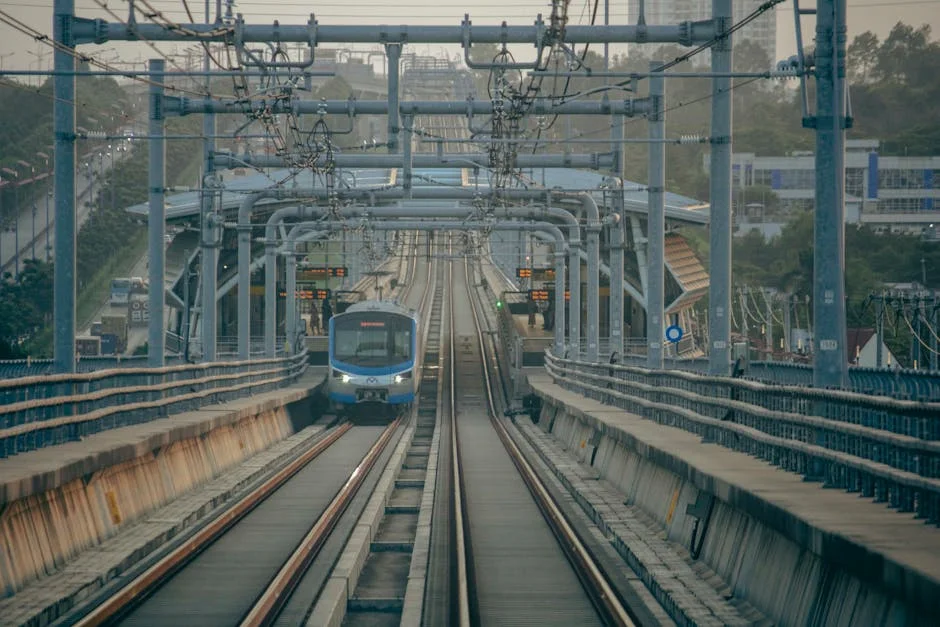
Tragedy struck in Bekasi, Indonesia, when a passenger train derailed, killing at least 11 people and injuring dozens more. The incident occurred early this morning as the train was traveling towards Jakarta, the country's bustling capital. Authorities have launched an investigation to determine the cause of the crash, which has sent shockwaves through the local community.
Community Reels from Disaster
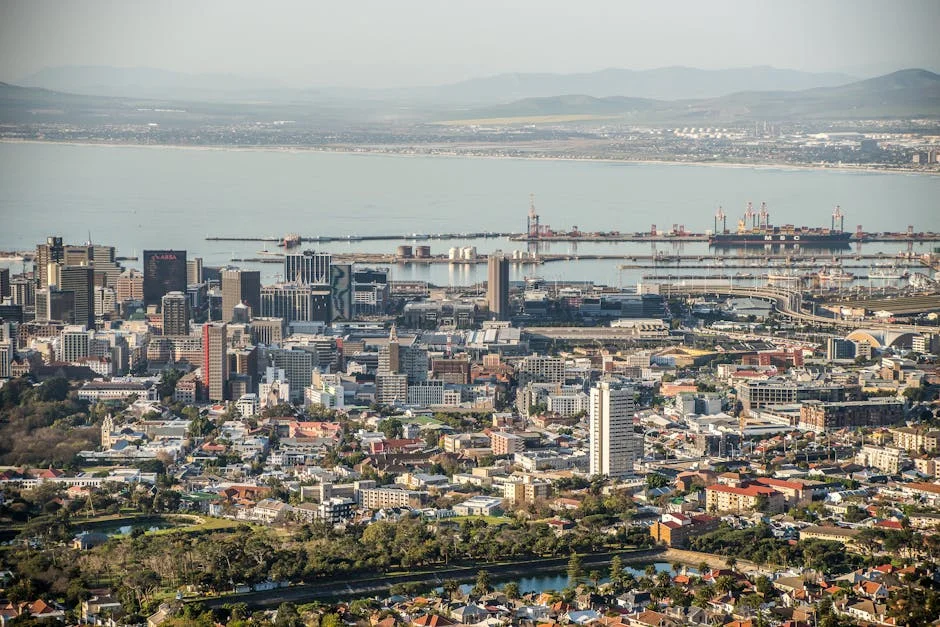
The city of Bekasi, located just east of Jakarta, is home to over 2.9 million residents. This bustling city is known for its robust industrial sector and as a major commuter hub. The train crash has disrupted daily life, with many residents expressing concerns about the safety of the rail system they rely on for their daily commutes. Local businesses near the crash site have temporarily closed, affecting the livelihoods of countless families.
Many community members have gathered at the crash site to offer support and condolences to the victims' families. Local religious leaders are providing counseling services to help residents cope with the trauma of the disaster. "The shock is palpable," said Imam Sulaiman, a local religious figure, as he coordinated efforts to assist affected families.
Bigger Picture: Why Indonesia Matters
Indonesia's rail network plays a crucial role in the nation's transportation infrastructure. Stretching across the vast archipelago, it connects remote regions to major economic centers. The Bekasi crash serves as a stark reminder of the challenges Indonesia faces in maintaining and upgrading its rail system to meet safety standards.
Government Response and Rail Safety
The Ministry of Transportation, led by Budi Karya Sumadi, has pledged to conduct a thorough review of the rail network's safety protocols. Initial reports suggest that infrastructure wear and tear, exacerbated by heavy rains, may have contributed to the derailment. This incident has reignited public debate over the government's investment in rail safety and modernization.
As Indonesia continues to develop rapidly, ensuring safe and reliable transportation is paramount for economic growth. The Bekasi incident underscores the urgent need for infrastructure improvements to prevent future tragedies.
What to Watch Next
The investigation into the Bekasi train crash is ongoing, with authorities expected to release preliminary findings in the coming weeks. Meanwhile, local and national leaders will face increasing pressure to accelerate rail infrastructure upgrades and safety measures. The public will be keenly watching for the government's response and any policy changes that may arise from this tragic event.
Stretching across the vast archipelago, it connects remote regions to major economic centers. Initial reports suggest that infrastructure wear and tear, exacerbated by heavy rains, may have contributed to the derailment.