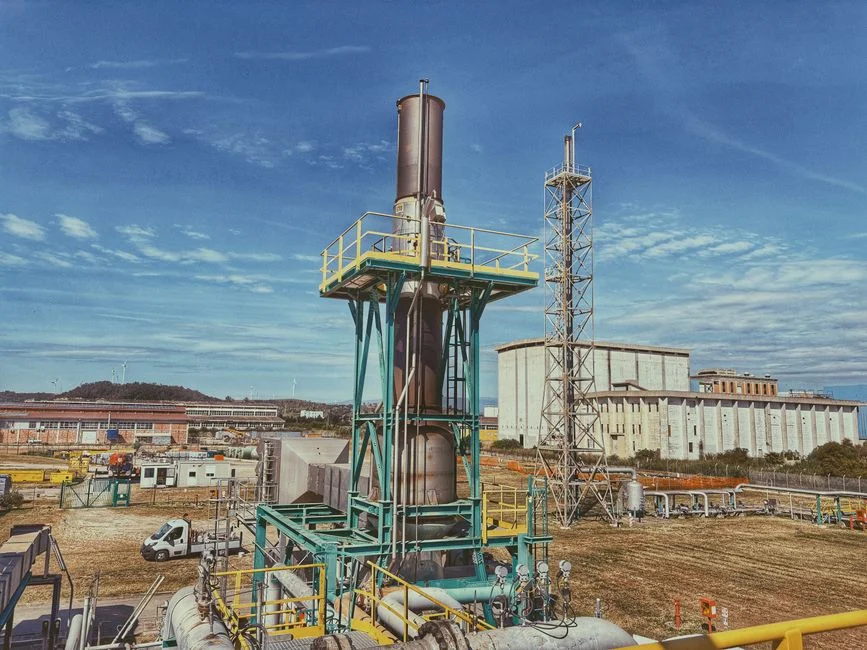
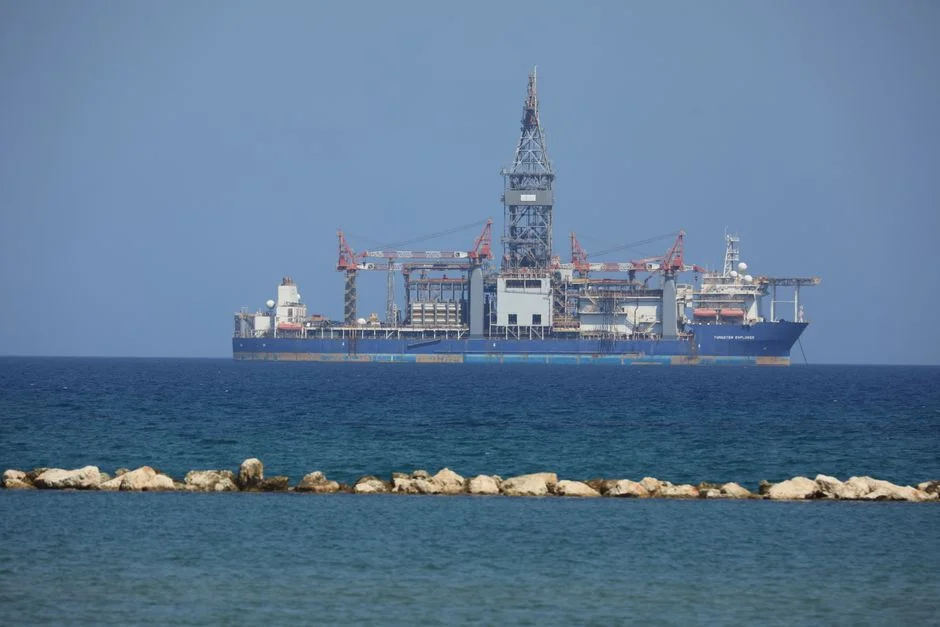
Occidental Petroleum's stock surged 7.2% on April 29 after the company announced a new exploration agreement with the Nigerian National Petroleum Corporation (NNPC) in the Niger Delta region. The deal, signed in Lagos, marks a key development in Nigeria's ongoing efforts to boost domestic oil production and reduce reliance on foreign energy imports. The agreement includes a 10-year exploration period for three new oil blocks, with an initial investment of $1.2 billion. The move comes as the country faces rising energy demands and pressure to stabilize its energy sector.
Key Details of the New Agreement
The agreement between Occidental Petroleum and the NNPC covers three offshore oil blocks—Block 11, Block 12, and Block 13—in the Niger Delta. These areas have been under exploration for years but have seen limited progress due to infrastructure challenges and security concerns. The new deal includes a commitment to invest $1.2 billion in drilling and infrastructure over the next five years. The NNPC, which is the state-owned oil company, is expected to take a 40% stake in the project, with Occidental Petroleum holding the remaining 60%.

The deal is seen as a major boost for Nigeria's energy sector, which has struggled with declining production and frequent power outages. Nigeria is Africa's largest oil producer, but it still faces energy shortages, with over 40% of the population lacking regular access to electricity. The new exploration is expected to increase domestic oil output by up to 15% over the next decade, according to NNPC officials.
Impact on Local Communities
Local communities in the Niger Delta, which have long been affected by oil spills and environmental degradation, are cautiously optimistic about the new deal. The region has seen decades of conflict between oil companies, local groups, and the government, with protests over land rights and environmental damage. However, the NNPC has pledged to involve local stakeholders in the project and ensure that environmental safeguards are in place.
Abdulrahman Dauda, a community leader in Warri, said: “We hope this deal brings real benefits. It’s not just about oil, but jobs and infrastructure. If the company respects the environment and the people, it could be a positive step.”
The new project is expected to create over 1,500 direct jobs in the region, with additional indirect opportunities in transportation, logistics, and local services. However, some residents remain skeptical, citing past failures by oil companies to deliver on promises. The NNPC has also committed to a $50 million environmental rehabilitation fund, which will be used to clean up contaminated areas and support community development projects.
Broader Economic Implications
The agreement could have a significant impact on Nigeria's economy, which is heavily dependent on oil revenues. In 2023, oil accounted for over 90% of the country's total exports. With global oil prices fluctuating, the new investment is seen as a way to stabilize revenue and support economic growth. The deal also comes at a time when the Nigerian government is pushing for more foreign direct investment in the energy sector to boost infrastructure and reduce poverty.
According to the World Bank, Nigeria's energy sector needs an estimated $20 billion in investment over the next five years to meet rising demand and improve energy access. The new Occidental deal is expected to contribute to this effort, with the company pledging to support the government’s plan to increase electricity generation by 30% by 2027.
Analysts suggest that the deal could also improve Nigeria’s standing in the global energy market. By attracting major international players like Occidental, the country is signaling a more open and stable investment climate, which could attract more foreign companies in the future.
Challenges and Concerns
Despite the positive outlook, the project faces several challenges. Security remains a major concern in the Niger Delta, where oil infrastructure has been targeted by militants in the past. The Nigerian government has pledged to increase security in the region, but some experts warn that more needs to be done to prevent sabotage and ensure the safety of workers.
Environmental concerns also remain. While the NNPC has promised to follow international standards, past oil spills have had devastating effects on local ecosystems and livelihoods. The company has agreed to implement strict environmental monitoring protocols, but the effectiveness of these measures remains to be seen.
Another challenge is the regulatory environment. Nigeria’s energy sector is known for bureaucratic delays and inconsistent policy implementation. The success of the project will depend on the government’s ability to streamline processes and provide a stable legal framework for foreign investors.
What to Watch Next
The first phase of the project is expected to begin in early 2025, with drilling operations starting in Block 11. The NNPC has set a deadline for the completion of the first exploration well by the end of 2025. Investors and local communities will be closely watching the progress of the project, with a focus on job creation, environmental compliance, and the impact on regional energy supply.
As Nigeria continues to navigate its energy transition, the success of this deal could serve as a model for future partnerships. The government has already signaled its intention to sign similar agreements with other international oil companies in the coming months, which could further reshape the country’s energy landscape.
See Also
- Kemi Seba's Detention Sparks Debate on Colonial Legacies in West Africa
- Iran's Abbas Araghchi Declares No Agreement with US: What This Means for Africa
Analysts suggest that the deal could also improve Nigeria’s standing in the global energy market. Security remains a major concern in the Niger Delta, where oil infrastructure has been targeted by militants in the past.
What is the latest news about occidental petroleum stock rises on new nigeria exploration deal?
Why does this matter for economy-business?
What are the key facts about occidental petroleum stock rises on new nigeria exploration deal?