President Bola Tinubu has launched an aggressive campaign to attract foreign capital, meeting key investors in Paris to secure commitments for Nigeria’s economic revival. This high-stakes diplomatic push aims to stabilize the naira and inject liquidity into a market starved of foreign exchange. The President’s presence in the French capital signals a decisive shift in how Nigeria courts global business partners.
Direct Impact on Nigerian Households
The success of these negotiations will directly influence the cost of living for millions of Nigerians. When foreign investors commit funds, the demand for the naira rises, which helps to curb inflation. Lower inflation means that the price of essential goods like rice, fuel, and electricity becomes more predictable for families in Lagos and beyond.

Every dollar invested in Nigeria translates to jobs and infrastructure improvements. Citizens in industrial hubs like Ikeja and Onitsha will feel the ripple effects through new factory openings and expanded retail spaces. The stability of the currency is not just an economic metric; it is a daily survival factor for the average worker.
Without this influx of capital, the purchasing power of the Nigerian middle class continues to erode. Tinubu’s strategy in Paris is designed to halt this decline by making Nigeria an attractive destination for long-term capital rather than short-term speculation. This shift is crucial for restoring consumer confidence across the region.
Strategic Focus on Key Sectors
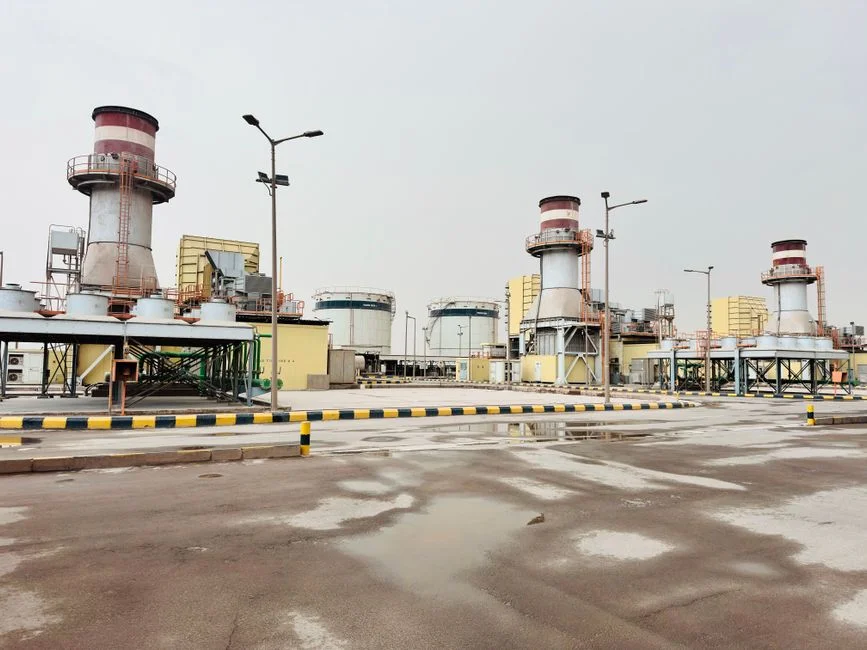
Tinubu’s team has identified specific sectors where immediate investment can yield quick returns. The energy sector remains a primary target, given the persistent power challenges that plague businesses. Investors are being encouraged to fund solar farms and gas-to-power projects that can reduce reliance on the national grid.
Prioritized Investment Areas
- Renewable energy infrastructure to reduce power costs
- Agricultural value chains to boost food security
- Digital technology hubs to create youth employment
The agricultural sector is another critical focus area. By attracting capital for processing and logistics, Nigeria can reduce post-harvest losses and lower food prices. This directly benefits consumers who currently spend a large portion of their income on food. The goal is to make local produce more competitive against imported goods.
Technology and digital services are also receiving attention. Paris is a hub for fintech and digital innovation, making it an ideal location to pitch Nigeria’s growing tech ecosystem. Startups in Yaba, often called the Silicon Valley of Africa, stand to gain from increased venture capital and strategic partnerships. This could lead to more robust digital payment systems and e-commerce platforms for everyday users.
Economic Stabilization Efforts
The Nigerian economy has faced significant headwinds in recent years. The unification of the foreign exchange windows and the removal of the fuel subsidy were painful but necessary reforms. These measures have stabilized the books but have also increased the cost of doing business. Tinubu’s Paris visit is part of the consolidation phase of these reforms.
Foreign direct investment is seen as a stabilizer for the macroeconomic indicators. When large multinational companies invest, they bring in technology, expertise, and a steady stream of foreign exchange. This helps to smooth out the volatility that has characterized the naira’s performance over the last twelve months. Stability is the currency of confidence in any emerging market.
The government is also working to improve the ease of doing business. Bureaucratic bottlenecks that have historically frustrated investors are being addressed. This includes streamlining regulatory approvals and improving infrastructure in key economic zones. These changes are designed to reduce the time and money it takes to set up and run a business in Nigeria.
Community Response and Local Business Sentiment
Local business leaders are watching these developments with a mix of hope and skepticism. Many small and medium enterprises have struggled with high interest rates and fluctuating currency values. They are eager to see tangible results from the President’s diplomatic efforts. However, patience is wearing thin as the cost of imports remains high.
Chambers of commerce in major cities have called for transparency in the investment deals. They want to ensure that the benefits of foreign investment trickle down to local suppliers and workers. This includes local content requirements that mandate a certain percentage of goods and services be sourced locally. Such measures can help to integrate foreign firms into the local economic fabric.
Grassroots organizations are also monitoring the impact on employment. Job creation is the ultimate metric of success for any economic policy. Communities in the Niger Delta and the North are looking for new opportunities beyond oil and agriculture. The diversification driven by foreign investment could open up new career paths for young Nigerians.
Regional Implications and Trade Dynamics
Nigeria’s economic health has a profound impact on the entire West African region. As the largest economy in the sub-region, Nigeria’s stability influences trade flows and investment patterns in neighboring countries. A strong Nigerian economy can drive demand for goods and services from Ghana, Benin, and Cameroon. This creates a positive feedback loop for regional growth.
The Paris meetings also highlight Nigeria’s growing ties with European markets. Europe is a major trading partner for Nigeria, particularly in the sectors of technology, energy, and consumer goods. Strengthening these ties can lead to more favorable trade agreements and increased market access for Nigerian exporters. This is particularly important for non-oil exports like cocoa, textiles, and leather.
Regional integration efforts, such as the African Continental Free Trade Area, are also benefiting from this renewed focus on investment. A stable Nigeria can serve as an anchor for the broader African market. This positions Nigerian companies to compete more effectively on the continental stage. The ripple effects of this stability will be felt in ports, borders, and boardrooms across the region.
Challenges and Roadblocks Ahead
Despite the optimism, several challenges remain. Security concerns in parts of the country continue to deter some potential investors. The perception of risk is a real factor in investment decisions. The government must continue to improve security infrastructure and community policing to reassure business partners. This is a long-term project that requires sustained effort and funding.
Infrastructure deficits are another major hurdle. While energy is a key focus, transportation and digital connectivity also need significant upgrades. Poor road networks increase the cost of logistics, making Nigerian goods less competitive. Digital infrastructure, including broadband access, is crucial for the modern economy. Addressing these gaps requires coordinated action between the public and private sectors.
Policy consistency is also critical. Investors need to know that the rules of the game will not change overnight. Frequent policy reversals can erode confidence and lead to capital flight. The government must communicate its economic strategy clearly and implement it with discipline. This will help to create a predictable environment for business planning and investment.
What to Watch Next
The next few months will be crucial for assessing the impact of the Paris engagements. Investors will look for concrete announcements of new projects and funding commitments. The government should provide regular updates on the progress of these deals to maintain momentum. Transparency will be key to sustaining the confidence that has been built.
Citizens should monitor changes in the foreign exchange rate and inflation data. These indicators will provide early signals of whether the investment inflows are having the desired effect. A stabilizing naira and slowing inflation would be positive signs for the average Nigerian. Continued vigilance and engagement from the public will help to hold leaders accountable for their promises.
See Also
- Passos Coelho Unanimously Approves Ethical Code Amid Montenegro Challenges: Here's Why It Matters
- Hunters in Mozambique Claim Trophy Hunting Saves Wildlife
What is the latest news about tinubu forces global investors to bet on nigeria in paris?
Why does this matter for economy-business?
What are the key facts about tinubu forces global investors to bet on nigeria in paris?