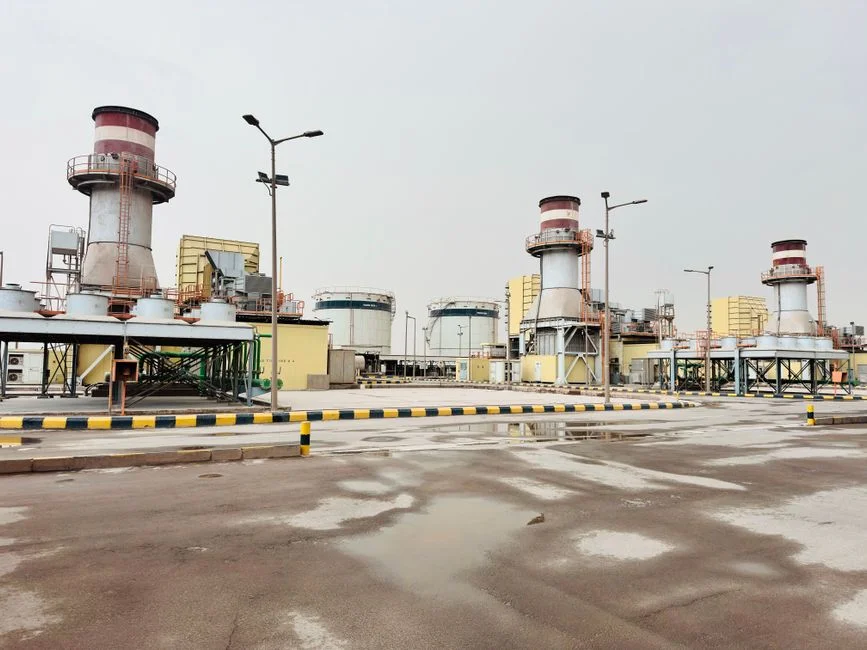
The Nigerian government has guaranteed a 100% supply of Liquefied Petroleum Gas (LPG), Piped Natural Gas (PNG), and Compressed Natural Gas (CNG) across the country, urging citizens to avoid panic buying. This assurance comes amid concerns about potential shortages and aims to stabilise the local market.
Govt's Plan to Stabilise the Gas Supply
In a recent announcement, the Ministry of Petroleum Resources confirmed the commitment to maintaining steady gas supplies. The Minister of State for Petroleum Resources, Chief Timipre Sylva, emphasised that the supply chain is robust enough to meet domestic demands. He stated, "Our focus is to ensure that all Nigerians have access to these essential resources without any disruptions."
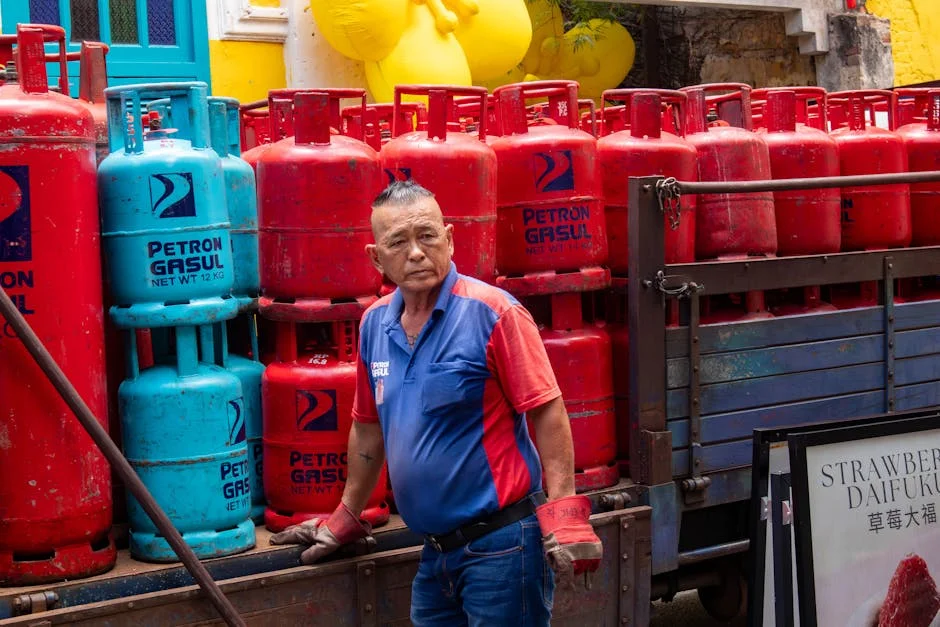
The government has been working closely with gas suppliers and distributors to streamline operations and prevent any potential supply bottlenecks. Lagos, being a major hub for gas distribution, plays a critical role in this strategy. This measure aims to allay fears of shortages as seen in previous years, especially during peak usage periods.
Impact on Daily Life and Local Communities
The assurance of consistent gas supply holds significant implications for daily life, particularly in urban areas where LPG and CNG are primary energy sources. Households and businesses in cities like Abuja and Port Harcourt rely heavily on these gases for cooking and other energy needs. The government's pledge is expected to bring relief to many who have been worried about price spikes and scarcity.
Local businesses, especially those in the food and hospitality sectors, which are heavily dependent on stable gas supplies, stand to benefit greatly. A restaurateur in Abuja noted, "Having a reliable gas supply is crucial for our operations. This assurance helps us plan better and avoid unnecessary costs."
Why This Matters Now
Ensuring a stable supply of LPG, PNG, and CNG is critical at a time when global energy markets are experiencing volatility. Nigeria, being a significant player in the oil and gas sector, has faced challenges due to fluctuating international prices. The government's proactive stance aims to insulate the local market from such external shocks.
In addition to stabilising the domestic supply, this move is part of a broader strategy to promote energy security and reduce dependency on foreign energy imports. This aligns with the government's long-term vision of achieving self-sufficiency in energy production and distribution.
Community Response and Future Outlook
Communities across Nigeria have generally welcomed the government's assurances. However, there remains a cautious optimism among citizens who recall past disruptions. The government's ability to maintain this commitment will be closely watched, particularly as demand is likely to increase during upcoming festive seasons.
Looking forward, the Ministry of Petroleum Resources plans to continue monitoring supply levels and work closely with stakeholders to address any emerging challenges. Citizens are encouraged to report any discrepancies in distribution to help maintain transparency and accountability.
As the government aims to uphold its promise, Nigerians are advised to remain vigilant and informed about developments in the energy sector. The continued success of this initiative could pave the way for further advancements in Nigeria's energy independence.
See Also
- Zambians Demand Accountability on Racism — Is Pan-Africanism Under Threat?
- Miracle in Spain: Nada Itrab Survives Against All Odds — What It Means for Health Equity
This assurance helps us plan better and avoid unnecessary costs."Why This Matters NowEnsuring a stable supply of LPG, PNG, and CNG is critical at a time when global energy markets are experiencing volatility. Nigeria, being a significant player in the oil and gas sector, has faced challenges due to fluctuating international prices.
What is the latest news about govt ensures 100 lpg supply citizens urged against panic buying?
Why does this matter for economy-business?
What are the key facts about govt ensures 100 lpg supply citizens urged against panic buying?