In Zambia, a growing movement is challenging the nation’s commitment to pan-African principles by highlighting systemic racism. The Zambian Human Rights Commission reported that over 45% of citizens have experienced or witnessed discrimination based on ethnicity or race. This revelation has stirred discussions across the region, particularly in Nigeria, where similar issues resonate strongly.
Zambian Citizens Speak Out
In cities like Lusaka, protests have erupted as citizens demand better representation and accountability from their government. Activists are calling on the Zambian Ministry of Home Affairs to investigate and address claims of racism, which they argue contradict the ideals of unity and equality espoused by leaders like Kenneth Kaunda, Zambia's first president. One prominent activist, Mwansa Chanda, stated, "The fight against racism is not just a Zambian issue; it affects all of us as Africans."
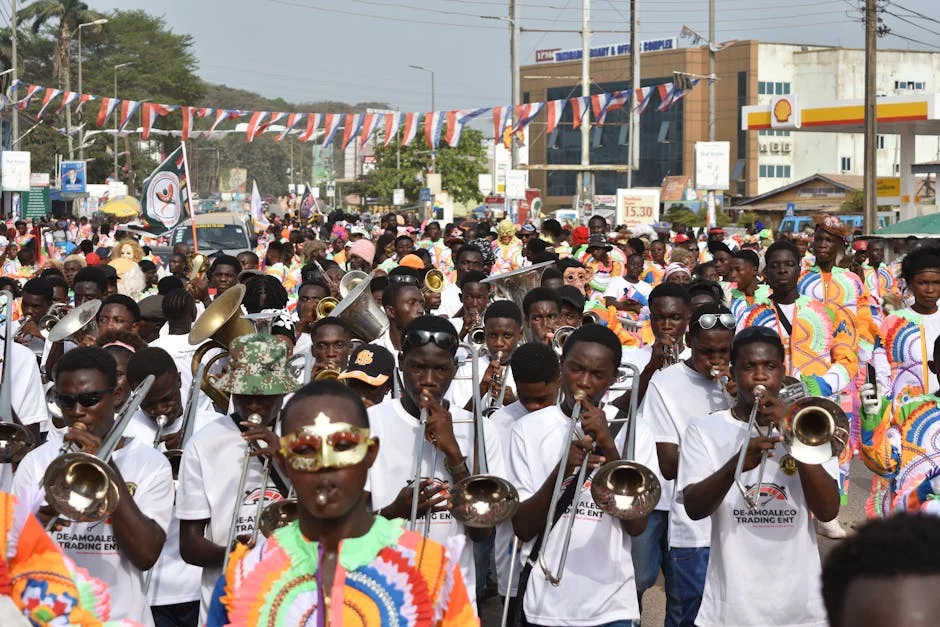
The movement has gained traction on social media, with hashtags like #ZambiaUnites trending as Zambians share personal stories of discrimination. This grassroots activism is not only reshaping conversations within Zambia but is also prompting a broader dialogue in other African nations, including Nigeria.
Impact on Nigeria and the Region
Nigeria, with its diverse population, is no stranger to ethnic tensions. The recent developments in Zambia have sparked discussions among Nigerian citizens about their own experiences with discrimination. Many fear that if systemic issues are not addressed, similar movements could arise in Nigeria, causing social unrest. The Nigerian Minister of Youth and Sports Development, Sunday Dare, commented, "We must stand in solidarity with our Zambian brothers and sisters, as their struggle is ours."
Economically, the implications could be profound. Should Zambia's racial tensions escalate into a full-blown crisis, it could disrupt trade relations within the region. Nigeria, as a key trading partner in West Africa, may face supply chain disruptions and increased costs, which would ultimately affect local businesses and consumers.
Community Responses and Solidarity Initiatives
Local organisations in Nigeria are responding by organising solidarity events, including panel discussions and cultural exchanges aimed at fostering understanding and unity among African nations. These initiatives highlight the interconnected nature of African identities and the need for cooperative solutions to shared challenges.
In Lagos, the Nigerian Youth Alliance has launched a campaign to raise awareness about racism and discrimination, urging citizens to reflect on their own biases and advocate for inclusivity. The alliance aims to create a platform for dialogue, encouraging young people to engage with these critical issues, which could lead to meaningful social change.
Looking Ahead: A Call for Unity
The situation in Zambia serves as a crucial reminder of the work that lies ahead in promoting equality and justice across Africa. As citizens in both Zambia and Nigeria grapple with questions of identity and belonging, the need for a unified response is clear. Upcoming regional meetings on human rights are expected to address these issues, and community leaders are urging citizens to participate actively in these discussions.
As Zambia continues to confront its challenges, the ripple effects are likely to be felt throughout the continent. Citizens are encouraged to watch for announcements regarding solidarity events and regional dialogues, as these will provide opportunities to engage in meaningful conversations about race and inclusion in Africa.
See Also
- Swati Maliwal Slams Badshah's 'Tateeree' for Objectifying Schoolgirls: Here's Why It Matters
- Costa Slams Alberto's Policies as Nigeria Seeks Economic Reforms
What is the latest news about zambians demand accountability on racism is panafricanism under threat?
Why does this matter for economy-business?
What are the key facts about zambians demand accountability on racism is panafricanism under threat?