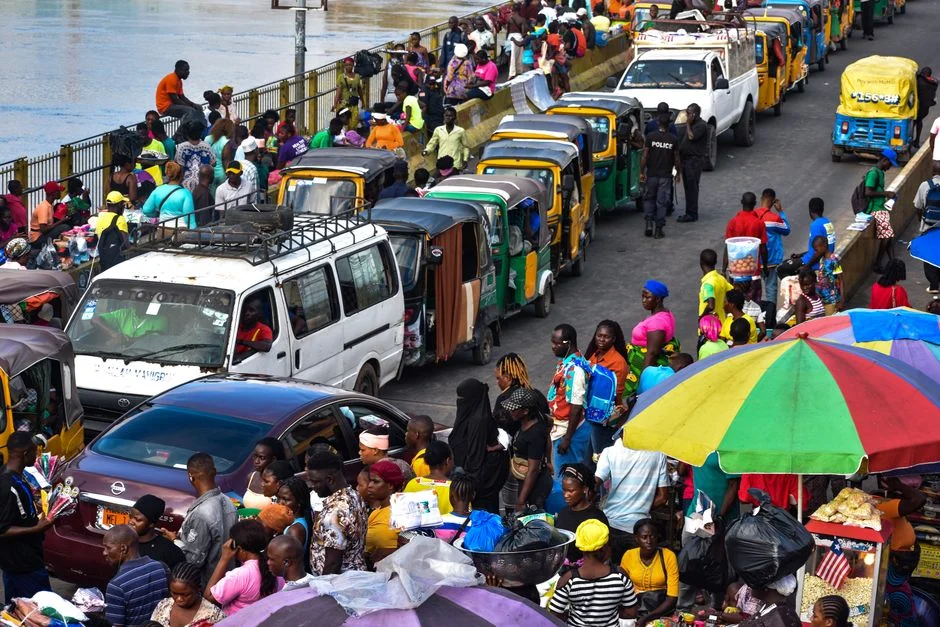
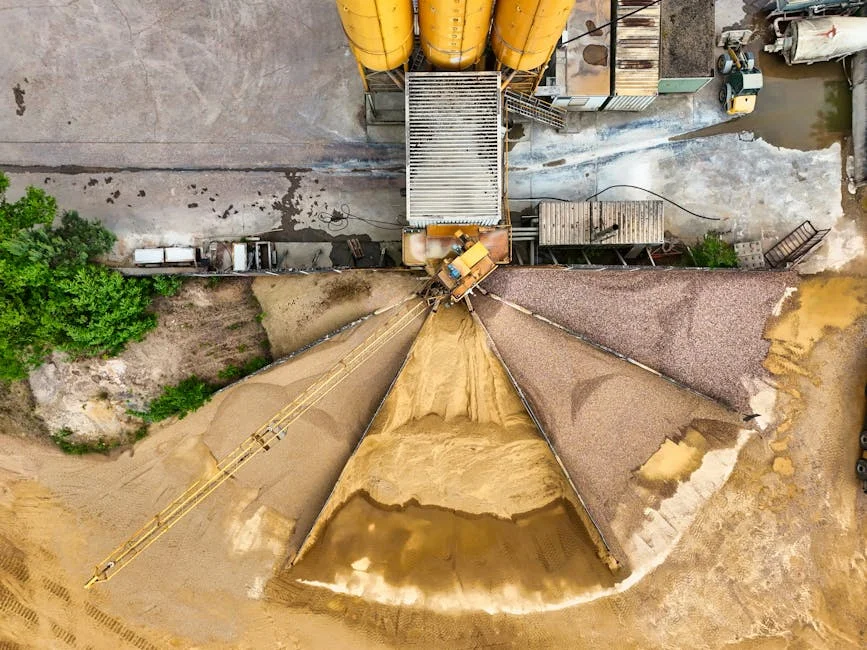
Nigeria has launched an ambitious partnership with Bric, a leading international development organisation, to boost construction efforts across the country. This collaboration, announced in Abuja on Friday, aims to revolutionise infrastructure development, directly impacting local communities and their economies. The initiative promises to generate thousands of jobs, potentially reducing the unemployment rate, currently estimated at 33.3%.
Why the Partnership Matters
Bric's involvement in Nigeria comes at a crucial time when the country is grappling with infrastructure deficits. The partnership is expected to address key challenges such as housing shortages and inadequate road networks. Bric's expertise in sustainable building practices aligns with Nigeria's vision for eco-friendly development, thus making this a timely intervention.
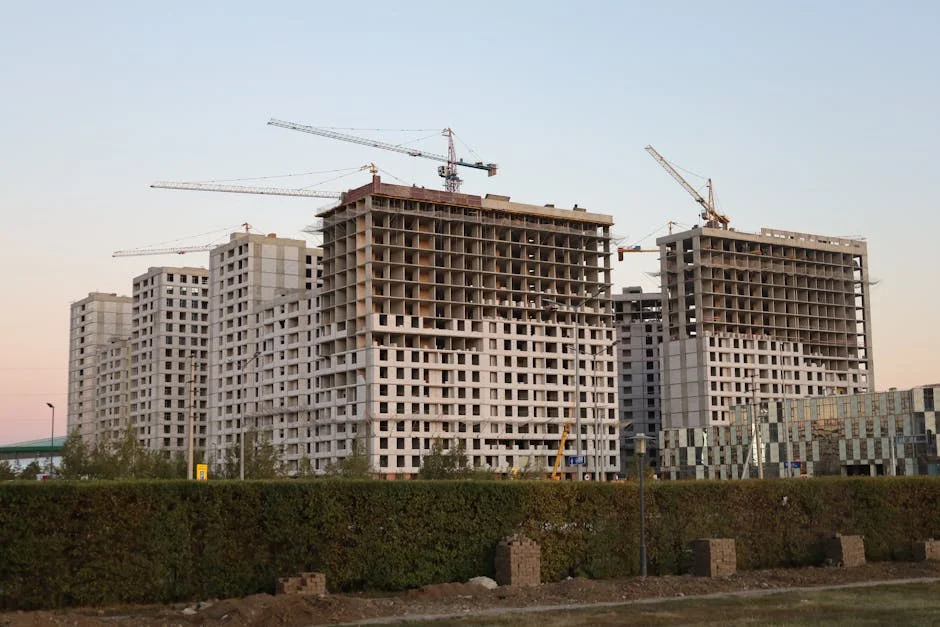
The Minister of Works and Housing, Babatunde Fashola, highlighted the significance of this alliance at the launch event. "This partnership will not only provide immediate employment but also set the foundation for sustainable economic growth," he stated. The collaboration is likely to expedite ongoing projects, ensuring they meet international standards and timelines.
Economic Impact on Local Communities
For local communities, the direct benefits of this partnership are manifold. Increased construction projects mean more job opportunities for skilled and unskilled workers. This could significantly alleviate poverty levels in regions with high unemployment rates. Moreover, improved infrastructure is expected to facilitate business operations, enhancing local commerce.
In Lagos, for instance, the construction of new roads and housing projects is expected to ease traffic congestion, a perennial issue that affects daily commuters and traders alike. Enhanced infrastructure could lead to reduced transportation costs, making local goods more competitive in broader markets.
Community and Social Response
Communities across Nigeria have shown optimism in response to the partnership. Local leaders are hopeful that this will lead to better living standards and increased social welfare. The integration of local contractors and suppliers in these projects ensures that the economic benefits remain within the community, fostering a sense of ownership and pride.
Socially, the expected rise in employment opportunities can lead to improved social stability, as economic empowerment often correlates with reduced crime rates. Educational institutions are also likely to benefit from improved infrastructure, providing better learning environments for students.
What to Watch Next
The success of this partnership will largely depend on its execution and the continued collaboration between Nigerian authorities and Bric. Key milestones to watch include the initiation of the first batch of projects slated for the first quarter of next year and the subsequent impact assessments.
As the projects unfold, stakeholders will be keen on evaluating the sustainability of these developments and their long-term benefits to local communities. The government's ability to maintain momentum and address any arising challenges will be crucial in ensuring the partnership's objectives are fully realised.
See Also
- Researchers Warn of Escalating Hunger Crisis in West and Central Africa: Urgent Action Needed
- Paragrafino Pescada Critiques Montenegro Over Liliana Controversy — Here's What Happened
Key milestones to watch include the initiation of the first batch of projects slated for the first quarter of next year and the subsequent impact assessments.As the projects unfold, stakeholders will be keen on evaluating the sustainability of these developments and their long-term benefits to local communities. This could significantly alleviate poverty levels in regions with high unemployment rates.
What is the latest news about nigeria teams up with bric for building boom local economy set to benefit?
Why does this matter for economy-business?
What are the key facts about nigeria teams up with bric for building boom local economy set to benefit?