Brazil is facing a turbulent week with a combination of intense heat waves, severe storms, and plunging temperatures. This unpredictable weather pattern is causing significant concern not only for Brazilian citizens but also for their trading partners, including Nigeria. The harsh conditions present both immediate and long-term challenges, especially for agriculture, which is crucial for both nations' economies.
Heat Wave and Storms in Brazil
In the northern regions of Brazil, cities such as Manaus are experiencing torrential rains and storms. The Brazilian Institute of Meteorology has issued warnings about potential flooding and landslides, advising residents to stay alert. In contrast, southern areas like Porto Alegre are preparing for an unexpected cold front, with temperatures expected to drop to single digits Celsius.
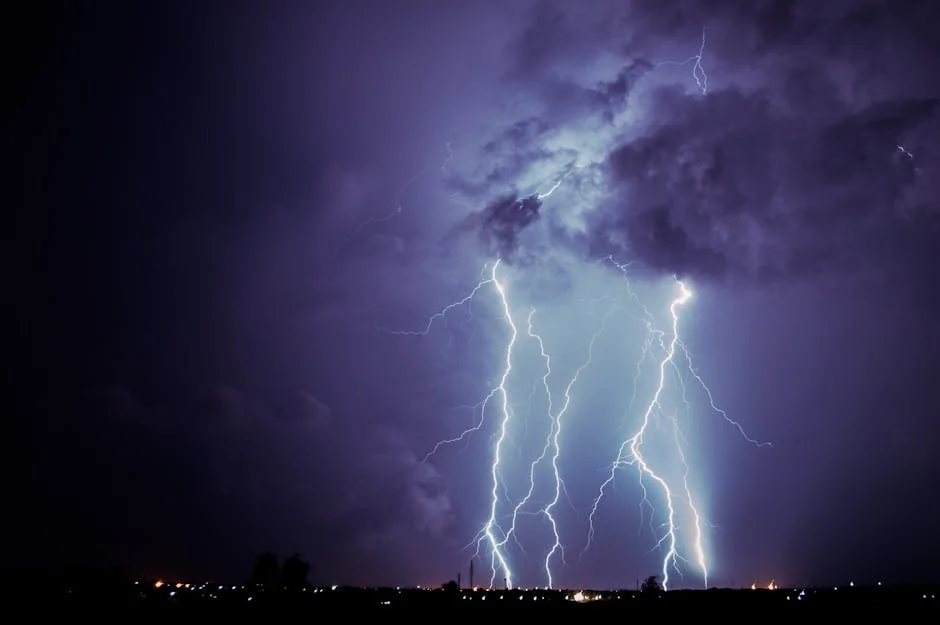
The variation in weather is attributed to a tempestade, a powerful storm system that has disrupted the usual climate patterns. This tempestade is expected to affect millions of residents, pushing local governments to implement emergency response measures.
Impact on Agriculture and Economy
Consequences for Local Farmers
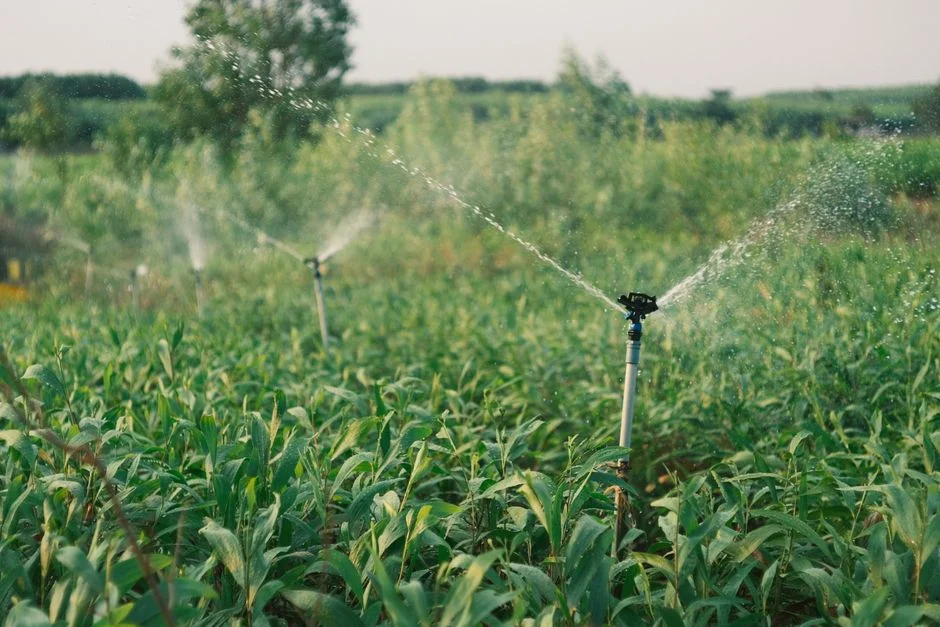
Farmers in Brazil are particularly vulnerable to these weather shifts. The heat wave threatens crops such as soybeans and sugarcane, which require a stable climate. According to the Brazilian National Agricultural Confederation, crop losses could exceed 15%, impacting export levels. This has direct implications for Nigeria, a major importer of Brazilian agricultural products.
With the tempestade developments explained, it becomes clear that Nigeria's reliance on these imports could result in increased prices and supply shortages. This scenario underscores the importance of diversifying Nigeria's agricultural imports and strengthening local production capabilities.
Environmental Concerns and Global Implications
Beyond the immediate economic impact, the extreme weather events in Brazil highlight broader environmental concerns. Nigeria, which shares similar ecological challenges, can learn from Brazil's experience in managing natural disasters. The tempestade impact on Nigeria's climate policy could lead to more robust disaster preparedness and environmental conservation strategies.
Both countries are part of the PT (Partnership for Transformation), an initiative aimed at addressing climate change and promoting sustainable development. With the current weather crisis, the partnership gains even more relevance. Understanding why PT matters, it is crucial for Nigeria to actively engage in these discussions, leveraging shared experiences to enhance resilience against future climate disruptions.
Looking Ahead: What to Watch
As Brazil continues to combat these extreme weather conditions, it is vital for Nigeria to monitor developments closely. The Nigerian Meteorological Agency is expected to release reports assessing the implications of these events on national weather patterns. Additionally, upcoming PT meetings will likely address collaborative strategies to tackle climate challenges.
Nigerian policymakers and citizens should be vigilant, prepared to adapt to potential shifts in trade and climate policy. The situation emphasizes the need for international cooperation in climate resilience, as global weather anomalies increasingly affect local realities.
See Also
- Passos Coelho Returns - What It Means for Africa's Development Goals
- Pinto Dias Exposes Underground Arms Warehouses — What It Means for Nigeria's Security
This scenario underscores the importance of diversifying Nigeria's agricultural imports and strengthening local production capabilities.Environmental Concerns and Global ImplicationsBeyond the immediate economic impact, the extreme weather events in Brazil highlight broader environmental concerns. The tempestade impact on Nigeria's climate policy could lead to more robust disaster preparedness and environmental conservation strategies.Both countries are part of the PT (Partnership for Transformation), an initiative aimed at addressing climate change and promoting sustainable development.
What is the latest news about heat wave and storms challenge brazil heres how it affects nigeria?
Why does this matter for economy-business?
What are the key facts about heat wave and storms challenge brazil heres how it affects nigeria?