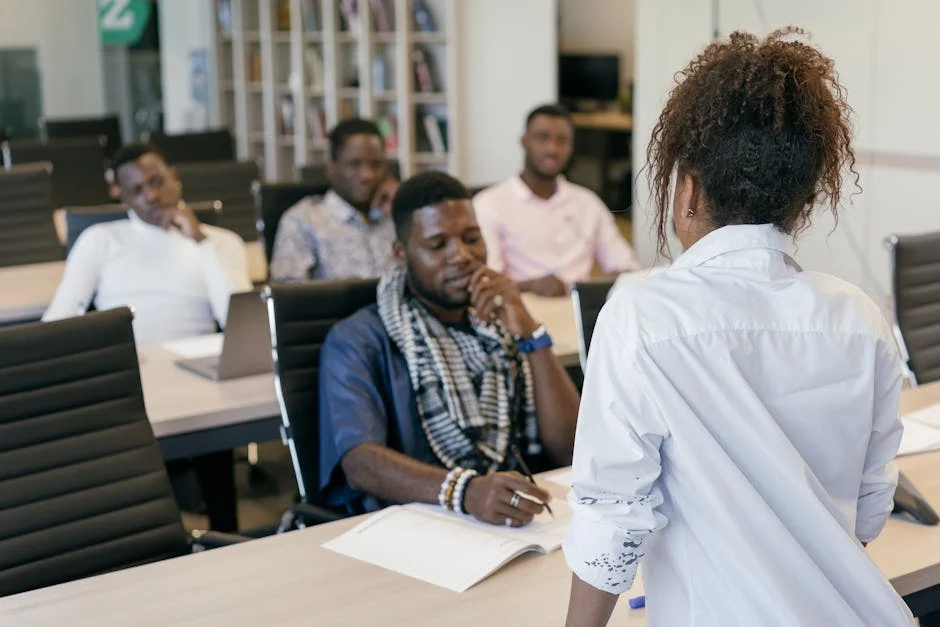
Sandra Lehmann, a prominent figure at Discovery Vitality, recently defended the irreplaceable role of human imagination and curiosity amidst growing discussions around artificial intelligence. This statement has sparked considerable interest across Nigeria, where the creative industry plays a significant role in the economy. Lehmann's perspective was shared during a conference in Lagos, highlighting the importance of human creativity in an increasingly digital world.
AI's Role in the Creative Industry
As AI technologies advance, there is a global conversation about their potential to replace human roles, especially in creative fields. In Nigeria, a country with a vibrant film and music industry, the implications are profound. Many local artists and creators are concerned about AI's potential to overshadow human creativity, which has been a cornerstone of the country's cultural exports.
Discovery Vitality's stance, as articulated by Lehmann, emphasizes that while AI can assist in various tasks, it cannot replicate the unique nuances of human imagination. This perspective resonates with many Nigerian creators who believe that their cultural and artistic expressions cannot be authentically replicated by machines.
The Economic Impact on Nigerian Communities
Nigeria's creative sector contributes significantly to the national economy. According to the National Bureau of Statistics, the sector accounted for approximately 2.3% of the GDP in 2022. With AI's potential to disrupt traditional creative processes, there is a palpable concern about job security among artists, writers, and performers.
Communities across Nigeria are grappling with the potential economic implications. While some see AI as a tool that can enhance productivity, others fear it could lead to a reduction in employment opportunities. Lehmann's comments have thus been a call to action for policy makers to carefully consider how AI is integrated into the creative industries.
Community Reactions and Responses
The response to Lehmann's statement has been mixed. Some industry leaders echo her sentiments, advocating for a balanced approach where AI supports rather than replaces human creativity. Others see her comments as a necessary reminder of the unique value that human creativity brings to the table.
In Lagos, artistic communities have started to hold forums and workshops to discuss how they can leverage AI without compromising their creative integrity. These discussions are crucial as they lay the groundwork for future collaborations between tech companies and artists in Nigeria.
Looking Ahead: The Future of Creativity and AI in Nigeria
As Nigeria continues to navigate the complexities of integrating AI into its creative sectors, the upcoming Lagos Creative Arts Festival will serve as a critical platform for further dialogue. Scheduled for April 2024, the festival will bring together artists, technologists, and policymakers to explore sustainable ways of incorporating AI into the creative process without losing the essence of human imagination.
Attendees can expect keynote addresses and panel discussions focusing on innovative solutions that preserve the integrity of human creativity. As the country prepares for this pivotal event, Lehmann's insights provide a foundation for ongoing discussions on how to harmoniously blend AI with human creativity in Nigeria's socio-economic landscape.