Taiwan has finalised a $5.66 billion arms purchase agreement with the United States, a move that is set to heighten geopolitical tensions in the Asia-Pacific region. The deal, announced on Monday, involves the acquisition of advanced defence systems, signalling Taiwan's continued efforts to bolster its military capabilities amidst ongoing regional conflicts. This development could have far-reaching implications, not just for Asia, but also for countries like Nigeria, which are monitoring global security dynamics closely.
Details of the Arms Deal
The agreement includes a range of sophisticated weapons systems, such as advanced missile defence technologies and precision-guided munitions. The U.S. Department of Defense confirmed the sale, emphasizing that these armaments will enable Taiwan to enhance its defensive capabilities. Washington insists that the deal is in line with long-standing commitments to support Taiwan's self-defence needs.
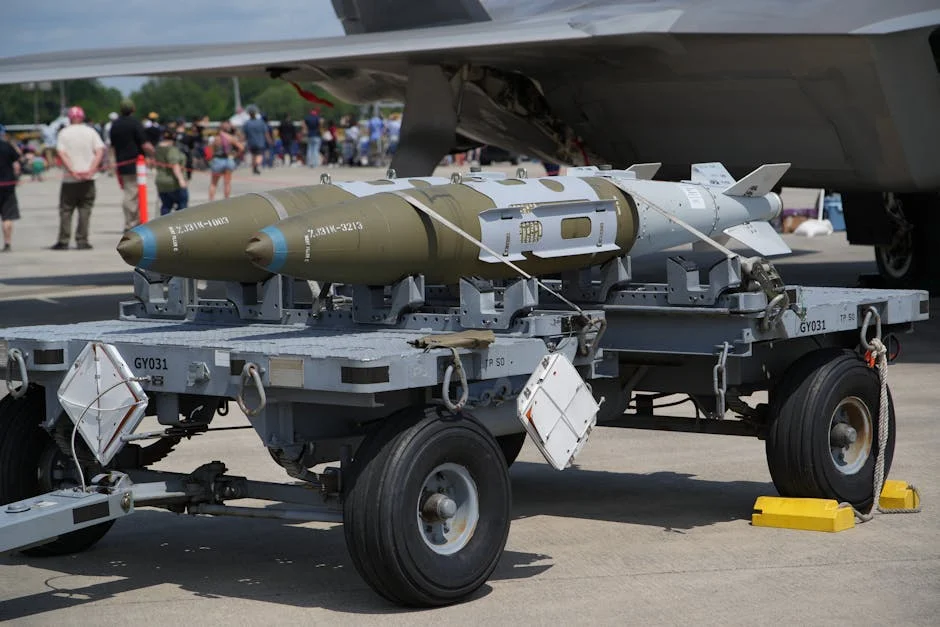
This deal marks one of the largest arms sales between Taiwan and the United States in recent years. The transaction underscores the strategic partnership between the two entities amid escalating tensions with China, which views Taiwan as a breakaway province.
Global Context and Implications
For Nigeria and other African nations, the Taiwan-U.S. arms deal is not merely a distant geopolitical affair. It could potentially influence global security frameworks and trade dynamics. As Nigeria continues to engage with both the U.S. and Asian markets, shifts in international alliances and military posturing could impact trade routes, investment flows, and economic partnerships.
Moreover, Nigeria's dependence on oil and other resources means that any disruption in global markets could affect its economy. The region's leaders are likely to keep a close eye on how this arms deal influences U.S.-China relations, given their potential to drive fluctuations in global energy and commodity prices.
Community Response in Nigeria
Nigerian communities, particularly those involved in trade and commerce, may see indirect impacts from the Taiwan-U.S. arms deal. The heightened military readiness in Asia-Pacific could deter international shipping lines or alter shipping routes, which might lead to increased costs for goods imported into Nigeria.
Local businesses in Lagos and Abuja, which rely heavily on goods shipped internationally, are likely to voice concerns about potential increases in shipping costs and delays. Additionally, Nigerians engaged in the technology and defence sectors might find new opportunities, as the global arms trade adapts to the changing geopolitical climate.
Future Developments to Watch
The arms deal is expected to be fully executed within the next few months. Observers in Nigeria and worldwide will be keenly watching for China's reaction to this development, as any retaliatory measures could further alter the global economic landscape.
Also, the United Nations and international diplomatic communities may engage in dialogues to mitigate rising tensions. Nigerians should watch for any changes in global trade policies or security alliances that might affect their nation's economic interests.
See Also
- Bulls Swap Backline as Dragons Prepare for Key Match
- Madeira Government Suspends TVDE Licenses: What It Means for Transport Innovation