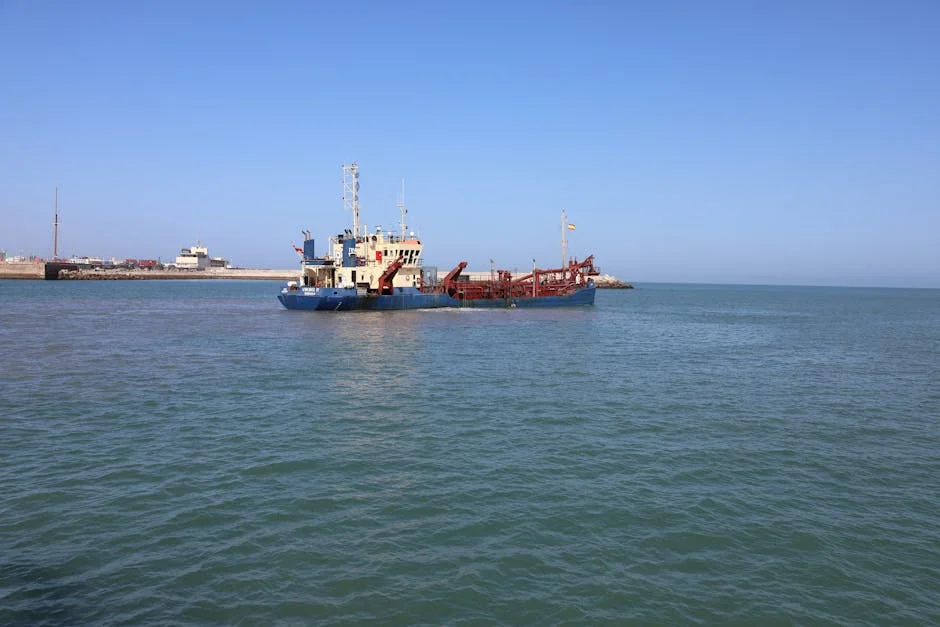
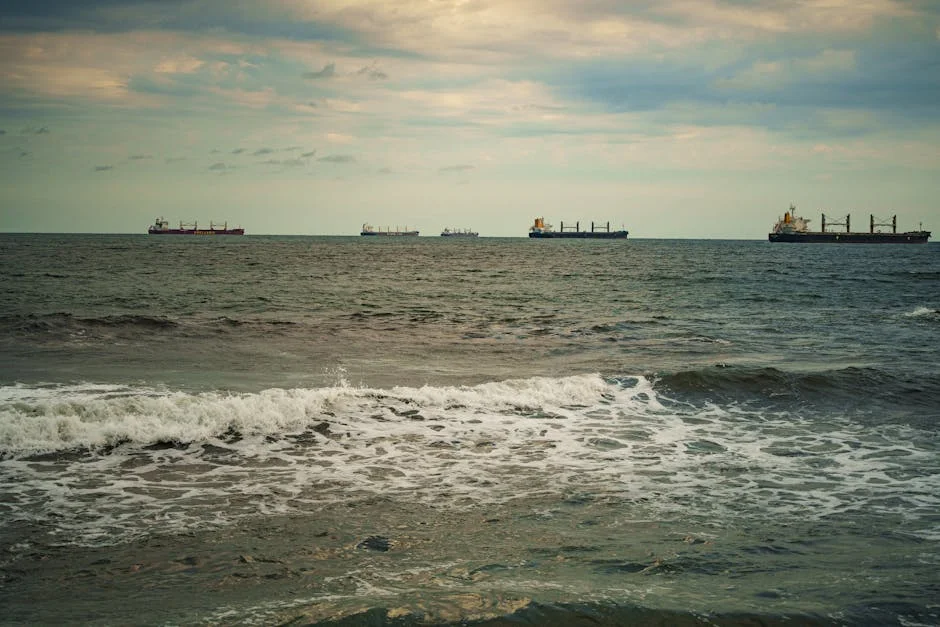
In a bold geopolitical move, Pakistan has opened six new land routes to Iran, directly defying the US-imposed blockade on the Strait of Hormuz. This action, announced on Monday, signals Pakistan's intent to strengthen ties with Iran and circumvent economic pressures from the United States. The new routes could significantly alter trade dynamics in the region, offering new opportunities for regional businesses and communities.
New Routes and Economic Implications
The opening of these routes is expected to facilitate smoother trade between Pakistan and Iran, especially in the provinces of Balochistan and Sindh. Local businesses in these areas have long been constrained by limited import and export options, and the new routes are seen as a potential boon. An estimated increase of 20% in cross-border trade is anticipated, bringing a much-needed economic boost to these regions.
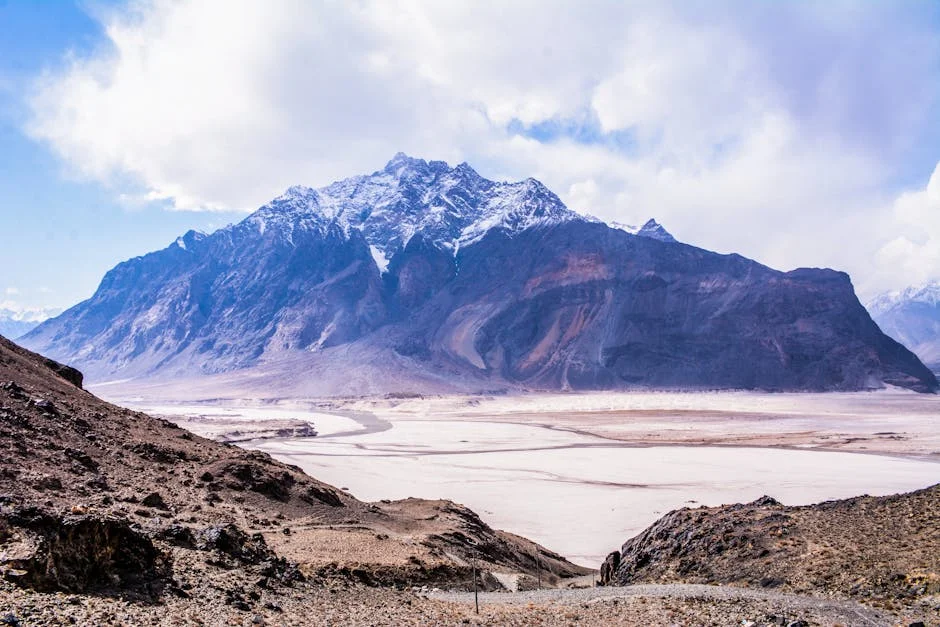
Pakistan's Ministry of Commerce, led by Abdul Razak Dawood, has expressed optimism about the impact on local economies. "This initiative is part of our broader strategy to diversify trade routes and strengthen regional cooperation," Dawood stated. The routes are expected to enhance access to Iranian oil, which is crucial given recent fluctuations in global oil prices.
Regional Response and International Repercussions
Reactions within the region have been mixed. While Iran has welcomed Pakistan's decision, seeing it as a strategic partnership, the US has expressed concerns over the potential implications for its sanctions regime. The decision has been met with apprehension in Washington, where officials worry it may undermine efforts to isolate Iran economically.
Impact on Local Communities
For residents in the border areas, these developments are mostly positive. Improved trade routes mean better access to goods and potentially lower prices for essential commodities. Communities that have historically faced economic isolation may now benefit from increased business activities and employment opportunities.
However, there are concerns about security and the potential for increased smuggling activities, which local authorities must address to ensure that the economic benefits do not come at the cost of increased instability.
Historical Context and Future Outlook
The Strait of Hormuz has long been a critical chokepoint for global oil transportation. Historically, tensions in this region have had far-reaching implications, affecting global oil prices and international relations. Pakistan's decision to bypass the Strait with land routes is a strategic shift that aims to mitigate these risks and assert its autonomy in regional trade policies.
Moving forward, stakeholders will watch closely how these new routes affect regional trade and international diplomacy. Pakistan plans to monitor the routes' economic impact over the next quarter, with an eye toward further expanding infrastructure if initial results are favourable. The coming months will be crucial in determining the long-term viability and success of this initiative.