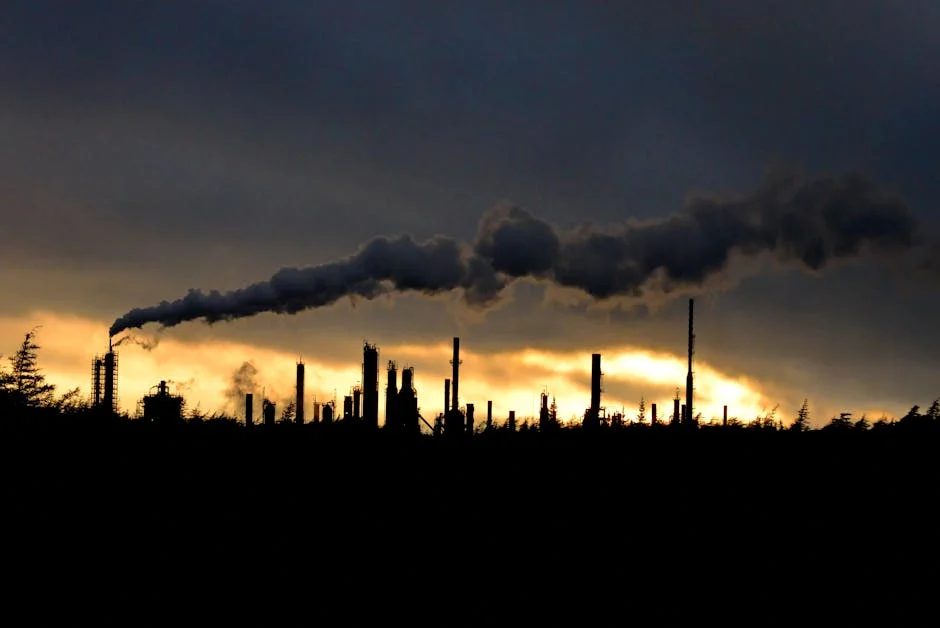
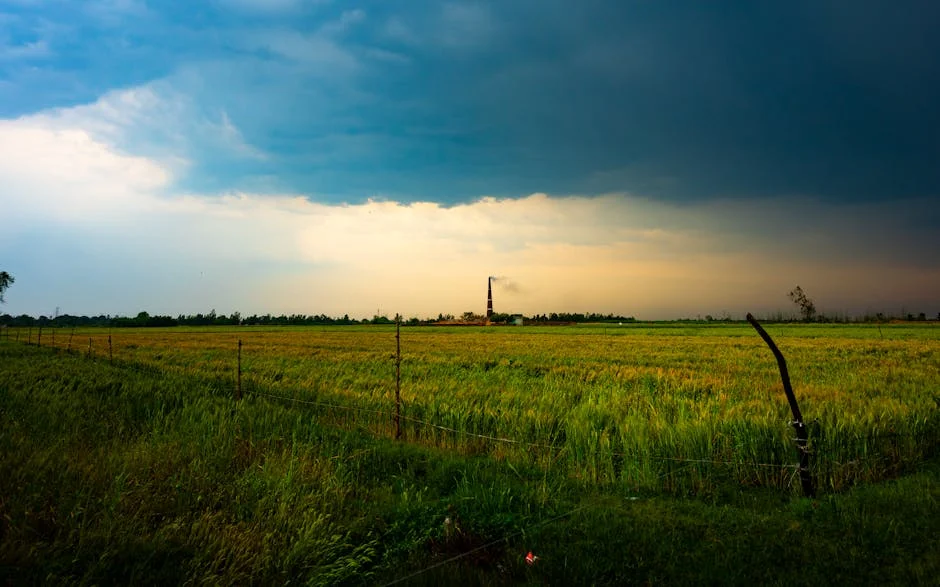
In Nigeria's northeastern region, traditional fishers are facing unprecedented challenges as severe heat conditions dry up local lakes and water bodies. The intense sun, with temperatures soaring above 40 degrees Celsius, has drastically reduced water levels, making it difficult for fishers to sustain their livelihoods.
Impact on Local Communities
The impact of the scorching sun is felt most acutely in communities around Lake Chad, where fishing is a primary source of income. According to recent data, water volume in Lake Chad has decreased by over 90% in the past five decades. This reduction has led to dwindling fish stocks, directly affecting the daily lives and incomes of countless families who rely on fishing.
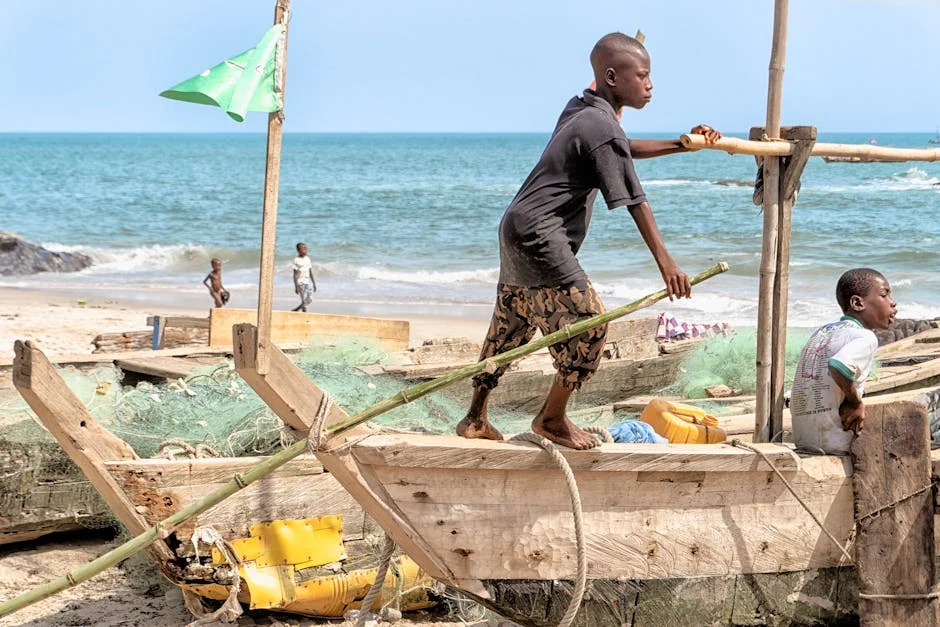
For example, in the fishing village of Baga, residents report a significant drop in their catch. "We used to catch enough fish to feed our families and sell in the markets, but now it's barely enough for our daily needs," lamented Musa Ali, a local fisher. This ongoing situation has forced many to seek alternative sources of income or migrate to other regions in search of better opportunities.
Economic and Social Consequences
The economic implications are severe. With fish being a staple food, the scarcity has also led to rising prices in local markets. This price increase is not only a burden on consumers but also affects the broader economy as the fish trade contributes significantly to regional commerce.
Furthermore, the social impact is considerable. Many community members, like those in Baga, face the disintegration of their traditional way of life. The younger generation, seeing little future in fishing, is increasingly moving to urban areas, leading to a decline in the rural population.
Government and Community Response
In response to this crisis, the Nigerian government, through the Ministry of Water Resources, has initiated efforts to mitigate the effects of climate change on water bodies. These include projects aimed at water conservation and sustainable fishing practices. However, progress has been slow, and more immediate relief measures are needed to support affected communities.
Community Initiatives
Local communities are also taking action. Fisher cooperatives have begun exploring alternative fishing techniques and investing in water management education. These initiatives aim to adapt to changing conditions while preserving their cultural heritage.
What's Next for Nigeria's Fishing Communities?
The future of Nigeria's fishing communities hinges on both immediate relief and long-term adaptation strategies. As the climate continues to change, it is crucial for local and national stakeholders to collaborate on sustainable solutions. With the government's current projects underway, the upcoming rainy season will be a critical period to assess their effectiveness and plan further interventions.