Mali is facing escalating turmoil as insurgents have seized several towns and killed the country's defence minister, Colonel Abdoulaye Idrissa Maïga, in a brazen attack. The incident occurred on the outskirts of Bamako, the nation's capital, creating a wave of fear and uncertainty among the local populace.
Insurgents' Attack and Its Immediate Aftermath
The attack, which took place on October 15, 2023, saw armed groups taking control of key towns including Douentza and Bandiagara, known for their strategic significance. The insurgents' ability to penetrate these areas has raised alarms about the security apparatus and the government's ability to maintain control.
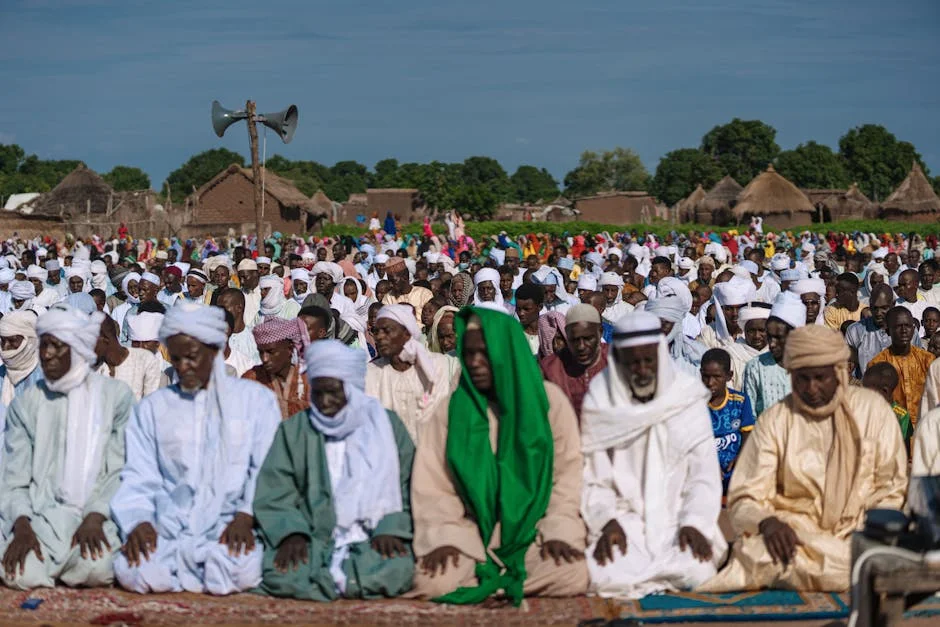
Local residents have expressed deep concerns about their safety, with many fleeing to neighbouring regions. The loss of Colonel Maïga, a prominent figure in Mali's military operations, has further destabilised the already fragile government, leading to calls for international intervention.
Historical Context and Current Challenges
Mali has been grappling with insurgency issues for over a decade, with groups linked to Al-Qaeda and ISIL operating in the region. The instability has often spilled over into neighbouring countries, affecting the broader West African region.
Nigeria, which shares a vested interest in regional stability due to its own battles with insurgent groups like Boko Haram, is watching the situation closely. The Nigerian government has previously cooperated with Mali on security matters, emphasising the importance of a stable West Africa.
The Impact on Citizens and Regional Stability
The recent upheaval in Mali is not just a local issue; it has significant implications for the entire West African region, including Nigeria. As insurgents gain ground in Mali, there is a risk of increased refugee flows into neighbouring countries, potentially straining local resources and services.
Furthermore, the instability may embolden extremist groups across the region, potentially leading to increased attacks. This could have a ripple effect, impacting trade routes and economic activities vital for local communities' livelihoods.
International Reactions and Putin's Position
Globally, countries are urged to take swift action to prevent further destabilisation. Russia's President Vladimir Putin has been closely monitoring the situation. His administration has been involved in military cooperation with Mali, and any shifts in this dynamic could directly influence Nigeria's security landscape.
The Nigerian government is particularly concerned about how Putin's decisions might affect regional alliances and security measures. Recent developments in Mali could prompt a reevaluation of military strategies in West Africa, particularly concerning Russian involvement.
Looking Ahead: Potential Outcomes and Next Steps
The coming weeks will be crucial for Mali and its neighbours. The African Union, along with ECOWAS, is expected to convene an emergency meeting to assess the situation and formulate a collective response.
Nigeria, in particular, will likely continue to monitor the developments closely, considering the potential impacts on its own national security. The international community's response, including potential sanctions or military aid, will also play a critical role in shaping the region's future.
Observers will be watching how the Malian government responds to the insurgent threat and whether it can regain control over the lost territories. The actions of global powers, especially Russia, will also be pivotal in determining the stability of West Africa in the near term.