Portuguese football club Sporting CP faced a major setback as fans were barred from entering the Dragão Stadium ahead of today's match against FC Porto. The decision by the Portuguese football association (FPF) sparked outrage among supporters, who claim the move undermines the spirit of the game. The incident has drawn attention to the growing tensions between club authorities and fans, particularly in Porto, where football is deeply embedded in local culture.
Matchday Chaos at Dragão Stadium
The ban came after a series of clashes between fans and security personnel during recent matches. On Friday, a group of Sporting supporters were detained following a confrontation with police outside the stadium. The FPF cited safety concerns as the reason for the decision, but fans argue it is an overreaction that threatens their right to support their team. The ban affects approximately 5,000 fans, many of whom travel from across Portugal to attend matches at the Dragão.
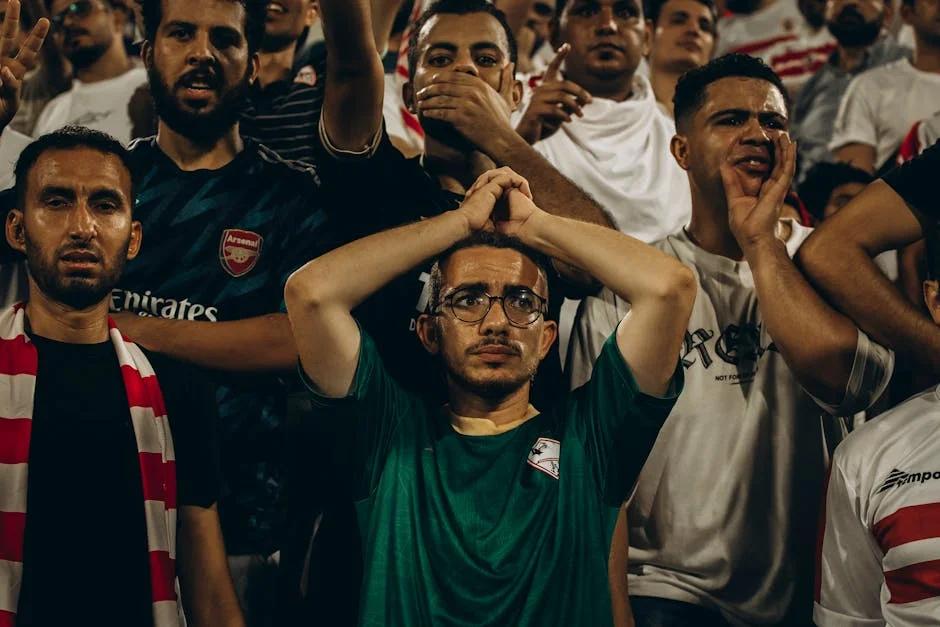
“This is a blow to our community,” said Ana Ferreira, a lifelong Sporting fan from Lisbon. “Football is more than a game here—it's a way of life. Being denied entry feels like a betrayal.” The move has also raised questions about the future of fan engagement in Portuguese football, with many fearing it could lead to a decline in attendance and support.
Impact on Local Communities
The decision has had a ripple effect on local businesses in Porto, particularly those near the stadium. Restaurants, bars, and vendors that rely on matchday foot traffic have reported a sharp drop in sales. “We were expecting a big day, but now we’re left with empty tables,” said José Silva, a bar owner in the Foz do Douro area. “This isn’t just about football—it’s about livelihoods.”
The local government has expressed concern over the economic impact, with Porto Mayor Rui Moreira calling for a dialogue between the FPF and fan groups. “We need to find a solution that protects both the safety of fans and the economic interests of the community,” he said in a statement. The situation highlights the delicate balance between security and the social fabric of the region.
Political and Social Reactions
The controversy has also drawn the attention of political leaders, who have criticized the FPF’s handling of the situation. In a statement, the Portuguese Ministry of Sports said it is “deeply concerned” about the restrictions and has urged the FPF to engage in open discussions with fan representatives. “Football belongs to the people, not just the institutions,” said Minister Maria João Rodrigues.
Meanwhile, social media has been flooded with calls for action, with hashtags like #NoBanForSporting trending across Portugal. Fans have organized peaceful protests outside the stadium, demanding the reversal of the ban. The unrest has also sparked a broader conversation about the role of fans in football governance and the need for more inclusive decision-making processes.
Looking Ahead: What Comes Next?
The FPF has scheduled a meeting with fan representatives on Monday to discuss the situation. If no agreement is reached, the ban could be extended beyond today’s match, further straining relations between the club and its supporters. Meanwhile, the government has indicated it may intervene if the dispute escalates, adding another layer of complexity to an already tense situation.
For now, the focus remains on the upcoming match and the potential for further protests. Fans are preparing for a demonstration outside the stadium, with organizers promising a peaceful but firm message. The outcome of this standoff could set a precedent for how football authorities handle fan relations in the future.