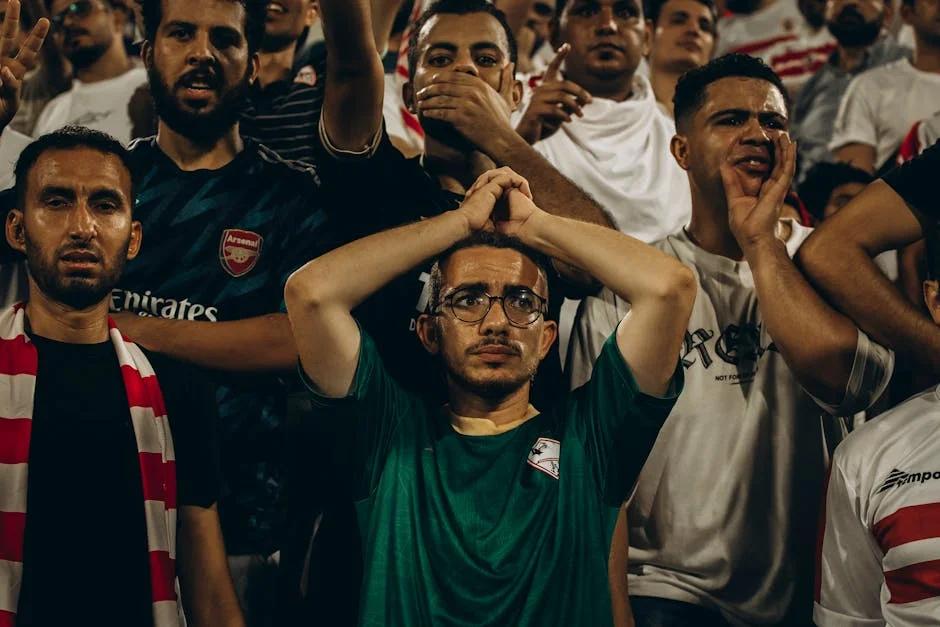
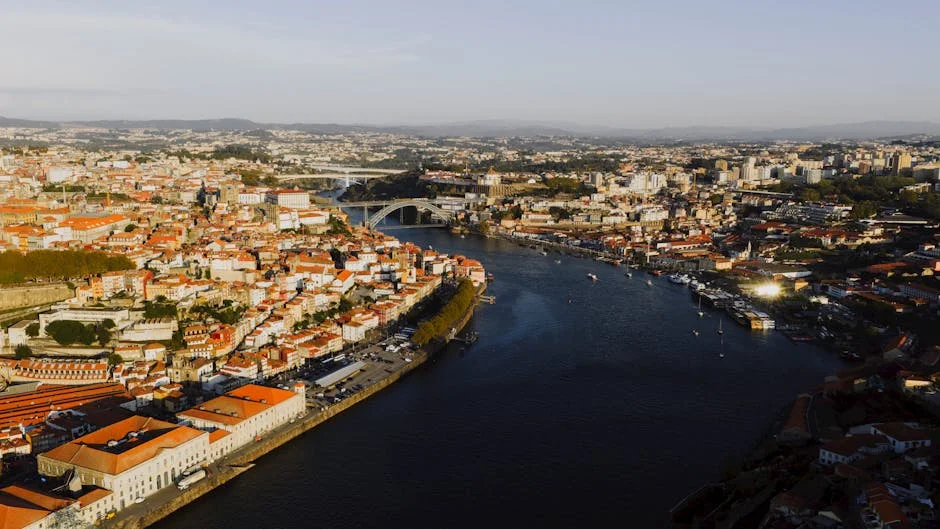
Portugal's top football clubs, FC Porto and Sporting, played to a 0-0 draw in a fiercely contested match that highlighted growing fan dissatisfaction across the country. The game, held at the Estádio do Dragão in Porto on Saturday, saw both teams struggle to break through a tightly contested defense, but the real battle unfolded in the stands, where supporters expressed frustration over rising ticket prices and lack of investment in local talent. The match, which drew over 50,000 fans, underscored a broader discontent among Portuguese citizens, particularly in regions like Porto and Lisbon, where football is more than just a sport—it's a cultural touchstone.
Football as a Reflection of National Frustrations
The 0-0 draw mirrored the broader economic and social challenges facing Portugal. Fans in Porto, a city known for its strong football culture, have seen ticket prices rise by 25% over the past year, according to the Portuguese Football Federation. This has led to protests and calls for greater transparency in club finances. "We're not just watching a game—we're paying for a dream that's slipping away," said Ana Ferreira, a long-time Porto supporter and resident of Vila Nova de Gaia.
The match also brought attention to the underrepresentation of local players in top-tier clubs. Despite Portugal's rich footballing history, only 30% of players in the Primeira Liga are born in the country, according to a 2023 report by the Portuguese Football Association. Critics argue that this trend undermines the development of young talent and alienates fans who feel disconnected from the game.
Impact on Local Communities and Economy
The economic ripple effects of the match extend beyond the stadium. Local businesses, especially in Porto, rely heavily on football-related activity. Restaurants, bars, and transport services see a surge in customers during match days, but the rising costs of attending games have led to a decline in foot traffic. "We used to have crowds all week, but now it's just the die-hard fans," said João Silva, owner of a sports bar near the Dragão stadium.
The draw also affected the local media landscape, with coverage of the match dominating regional news outlets. For many in Portugal, football is a lens through which they view national issues. "This match isn't just about two teams—it's about the struggles of everyday people," said Pedro Alves, a journalist with RTP, Portugal's national broadcaster.
Community Response and Calls for Reform
Community groups have begun to mobilize, demanding that football clubs invest more in youth academies and reduce ticket costs. In Lisbon, a group called "Futebol para Todos" (Football for All) has organized rallies and petitions, gathering over 10,000 signatures in just a month. "We want football to be accessible to everyone, not just the wealthy," said Maria Costa, a spokesperson for the group.
The clubs have responded with mixed messages. FC Porto announced a new initiative to support local youth development, while Sporting has faced criticism for its handling of fan protests. "We understand the concerns, but we need to balance financial sustainability with community engagement," said a club representative in a recent statement.
Regional Implications and Future Outlook
The situation in Portugal has drawn attention from fans and analysts in Nigeria, where football also plays a central role in daily life. "The challenges in Portugal mirror what we see in Nigeria—rising costs, lack of investment, and fan dissatisfaction," said Chidi Okoro, a sports analyst based in Lagos. "It's a wake-up call for football administrators across Africa."
As the season progresses, the pressure on both clubs and the Portuguese Football Federation will only grow. Fans are calling for immediate reforms, including a review of ticket pricing and a commitment to developing local talent. With the next round of matches set for early next month, the coming weeks will be critical in determining whether change is on the horizon.
The draw between FC Porto and Sporting may have ended in a stalemate on the pitch, but the conversation it sparked continues to resonate across Portugal and beyond. For citizens in regions like Porto and Lisbon, the match was more than just a game—it was a symbol of the challenges they face and the hope for a better future.